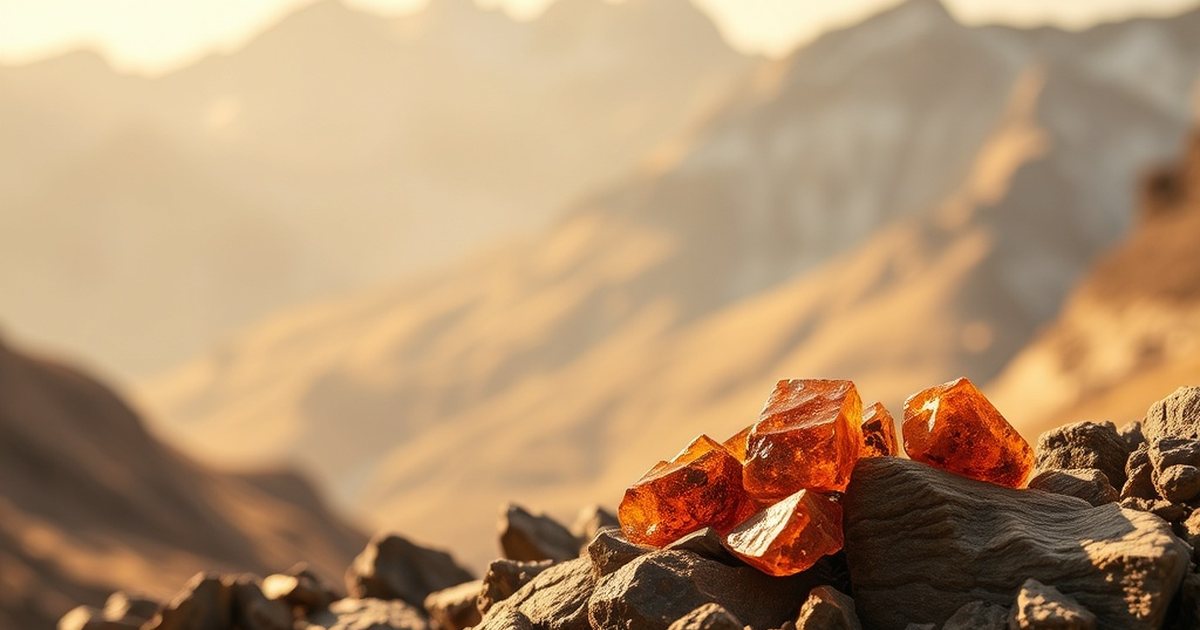
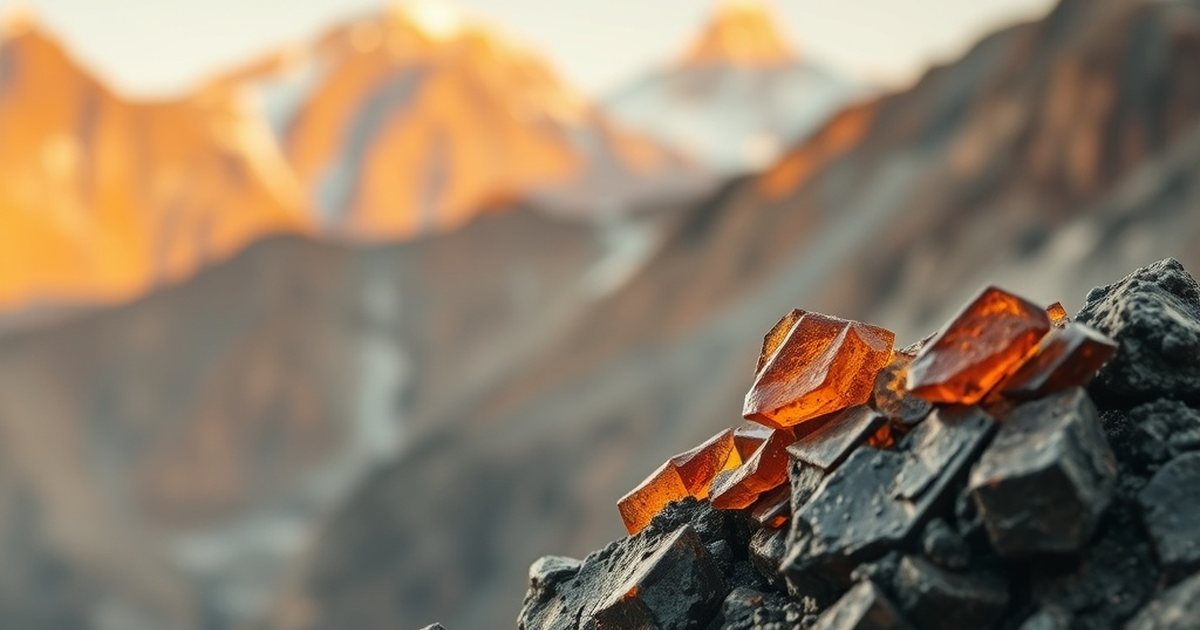
Shilajit — a tar-like resin that seeps from Himalayan and other high-altitude rocks — has been used in Ayurvedic medicine for centuries as a general tonic. In recent years it has found a new audience as a natural testosterone support supplement, appearing in stacks aimed at men’s health, fertility, and athletic performance. Marketing claims often run well ahead of the science, so this article walks through what the published research actually measured, what it found, and where the evidence remains thin.
The active constituents most often studied are fulvic acid, humic acids, dibenzo-alpha-pyrones (DBPs), and a range of trace minerals including zinc, iron, and magnesium. Proposed mechanisms include support for mitochondrial energy production, antioxidant activity via fulvic acid, and direct effects on the hypothalamic-pituitary-gonadal axis — but human clinical trials remain few and generally small. Understanding those limits is just as important as understanding the positive signals.
Key Takeaways
- One randomized controlled trial found a ~20% increase in total testosterone in middle-aged men taking purified shilajit for 90 days, but the trial had industry ties and has not been independently replicated [1].
- A systematic review found shilajit has relatively more human evidence than most commercial testosterone boosters, yet the overall evidence quality remains limited [2].
- Animal studies suggest fulvic acid may protect testicular tissue from oxidative damage and toxic insults, providing a plausible mechanism, but this does not confirm performance in healthy humans [3][4].
- Human data on sperm parameters are promising but come from methodologically weaker study designs lacking blinded placebo controls [5].
- Heavy-metal contamination is a real safety concern with low-quality shilajit products; only use preparations that have been independently tested for purity.
The Landmark Human Trial on Testosterone
The most-cited human study on shilajit and testosterone enrolled 96 healthy male volunteers aged 45–55 and randomized them to 250 mg of purified shilajit twice daily or placebo for 90 days. Researchers measured total testosterone, free testosterone, and dehydroepiandrosterone (DHEA) at baseline, 30, 60, and 90 days. At 90 days, the shilajit group showed statistically significant increases in total and free testosterone as well as DHEA compared with placebo [1].
The effect size was meaningful but modest: total testosterone rose roughly 20% above baseline in the treatment group. It is worth noting that the study population consisted of middle-aged men who may have had lower-end-of-normal testosterone at baseline — a demographic more likely to show a response than young men with robust hormone levels. The trial was conducted by researchers affiliated with a company producing shilajit products, which is a limitation that warrants independent replication before firm conclusions are drawn.
Does Shilajit Actually Stand Out Among 'Testosterone Boosters'?
A 2024 systematic review examined the evidence base for commercial supplements marketed as testosterone boosters, evaluating whether any reliably increased serum total testosterone in human trials [2]. The review found that the vast majority of popular ingredients lacked robust, independent evidence of a clinically meaningful testosterone increase. A small number of compounds, including purified shilajit, had at least one positive randomized controlled trial, but the review emphasized that study quality, independence from manufacturer funding, and replication rates were often poor across the category.
The takeaway from that review is cautious: shilajit has more published human evidence than many competing ingredients, but the evidence base is still thin by the standards required to draw reliable conclusions. Consumers and clinicians should treat single sponsored trials as hypothesis-generating rather than conclusive.

Evidence on Male Fertility and Sperm Parameters
Beyond testosterone itself, shilajit has been evaluated for effects on sperm quality. A controlled clinical trial in men with oligospermia (low sperm count) administered processed shilajit for 90 days and reported significant improvements in sperm count, motility, and morphology compared with baseline [5]. Total sperm count increased by approximately 61% and sperm motility by 12–17 percentage points in the treatment group.
While these numbers sound striking, the study had methodological limitations: it lacked a concurrent placebo arm with blinding, making it impossible to rule out regression to the mean or natural fluctuation in sperm parameters. This type of before-after design is useful for early-phase exploratory work but cannot establish causation. The findings are nonetheless consistent with the hypothesis that shilajit’s antioxidant and mineral content may support the testicular environment.
Animal Research: Fertility Protection and Mechanisms
Animal models have provided more mechanistic insight. In a study on male mice exposed to cadmium — a heavy metal that induces testicular oxidative damage and reduces testosterone synthesis — shilajit supplementation partially preserved sperm parameters and steroidogenic enzyme activity compared with untreated cadmium-exposed animals [3]. The authors attributed protection to fulvic acid’s ability to chelate heavy metals and reduce oxidative stress in testicular tissue.
A separate study examined shilajit’s effect on testicular damage caused by a chemotherapeutic drug. In that model, shilajit mitigated disruptions to germ cell dynamics and steroidogenesis, and modulated the Nrf-2/Keap-1 antioxidant signaling pathway in testicular tissue [4]. These findings point to a plausible protective mechanism but must be interpreted carefully: reducing damage caused by a known toxin in a rodent model does not straightforwardly translate to enhancing testosterone in healthy humans.
Physical Performance and Broader Hormonal Biomarkers
A 2026 open-label pilot study assessed TruBlk™ shilajit resin in healthy adults over 28 days, measuring physical performance markers and a panel of blood biomarkers including hormone levels [6]. The study reported improvements in some physical performance metrics and stable or improved biomarker profiles, with no significant adverse laboratory findings. As an open-label pilot without a placebo arm, it cannot isolate shilajit’s contribution from expectation effects or natural variation, but it adds to the safety dataset and provides preliminary signals worth exploring in blinded trials.
Taken together, the available evidence suggests shilajit may influence the hormonal environment in men — particularly those with suboptimal baseline testosterone — through mechanisms that include antioxidant protection of testicular tissue, trace mineral delivery, and possibly direct effects on steroidogenic pathways. However, the current evidence base does not support the conclusion that shilajit reliably and substantially raises testosterone in healthy young men with normal baseline levels.
Proposed Mechanisms: How Shilajit Might Influence Testosterone
Researchers have proposed several non-exclusive pathways. Fulvic acid acts as an electron donor and antioxidant, potentially reducing oxidative damage to Leydig cells — the primary testosterone-producing cells in the testes. Humic acids and DBPs may support mitochondrial function, providing the energy substrate that steroidogenesis requires. Trace minerals, particularly zinc, are well-established cofactors for testosterone synthesis enzymes, and shilajit delivers a broad mineral profile that could address subclinical deficiencies.
There is also speculation about effects at the hypothalamic or pituitary level — upregulation of luteinizing hormone (LH), which signals the testes to produce testosterone — but this has not been directly measured in the published human trials. Most mechanistic evidence derives from in vitro work or animal studies, which limits how confidently these pathways can be attributed to effects seen in human trials.
🛒 Where to Buy Shilajit
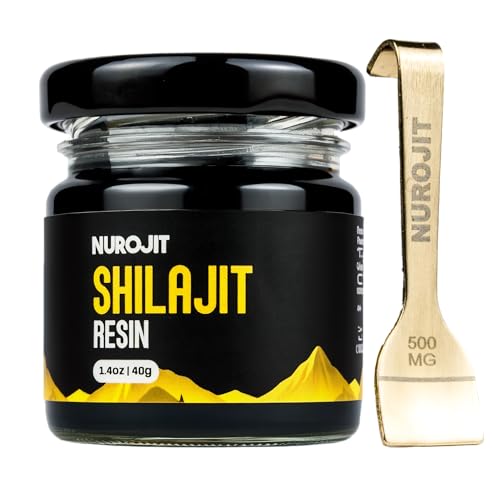
- Pürblack Live ResinLab-tested / studied
resin, ~300-500 mg/day — Premium purified resin, third-party heavy-metal tested; widely regarded as a reference-quality resin. - Nootropics Depot PrimaVie ShilajitClinically studied
capsules, 250 mg — PrimaVie, the standardised shilajit extract used in published human trials. - Zazzee Shilajit 40:1 Extract
capsules, 40:1 extract — Standardised to 50% fulvic acid. - Swanson Shilajit Extract
capsules, 400 mg, 60 count — Budget option from a long-established supplement brand.
As an Amazon Associate we earn from qualifying purchases. Shilajit quality varies widely — always choose a product with a published third-party heavy-metal test (COA) before buying.
A Note on the Evidence
The human trials on shilajit and testosterone are small, often industry-affiliated, and have not been independently replicated — interpret any results cautiously and do not use this article as a substitute for medical advice. Unpurified or low-quality shilajit products carry a genuine risk of heavy-metal contamination; always choose preparations with verifiable third-party testing, and consult a healthcare provider before supplementing, especially if you have an underlying medical condition or take medications.
Frequently Asked Questions
Does shilajit increase testosterone in all men?
Current evidence is limited to a single small trial conducted in men aged 45–55 [1]. There is no published evidence from young men with normal baseline testosterone levels, so it is not possible to generalize across age groups or hormonal starting points.

How long does it take for shilajit to affect testosterone?
In the main human trial, significant differences from baseline were observed at 90 days [1]. Shorter-term data in that study did not show statistically significant changes, suggesting any effect takes weeks to develop — if it occurs at all.
Can shilajit improve sperm count or fertility?
A before-after clinical study in men with oligospermia reported increases in sperm count and motility after 90 days of supplementation [5]. However, the absence of a blinded placebo group means these results should be treated as preliminary. Animal research also supports a protective role in toxin-induced infertility [3].
Is shilajit safe to take regularly?
Short-term human pilot data have not shown serious adverse laboratory findings at standard doses [6]. The primary safety concern is contamination: raw or poorly processed shilajit can contain heavy metals including arsenic and lead. Only products with independent third-party testing for heavy metals and microbial contaminants should be used.
How does shilajit compare to other testosterone-boosting supplements?
A 2024 systematic review concluded that most commercial testosterone boosters lack credible human evidence [2]. Shilajit has at least one positive randomized trial, which is more than many competitors, but that single trial is not sufficient to rank it definitively above other approaches.
Who should avoid shilajit?
People with hemochromatosis (iron overload), active kidney or liver disease, or those undergoing chemotherapy should consult a physician before using shilajit. Pregnant and breastfeeding individuals should avoid it due to insufficient safety data. Because shilajit has demonstrated protective effects against certain drugs in animal models [4], interactions with medications are theoretically possible and warrant medical guidance.
References
- Pandit S et al. Clinical evaluation of purified Shilajit on testosterone levels in healthy volunteers. Andrologia (2016). PMID 26395129
- Morgado A et al. Do "testosterone boosters" really increase serum total testosterone? A systematic review. International journal of impotence research (2024). PMID 37697053
- Mishra RK et al. Profertility effects of Shilajit on cadmium-induced infertility in male mice. Andrologia (2018). PMID 29947420
- Rajpoot A et al. Shilajit mitigates chemotherapeutic drug-induced testicular toxicity: Study on testicular germ cell dynamics, steroidogenesis modulation, and Nrf-2/Keap-1 signaling. Journal of Ayurveda and integrative medicine (2024). PMID 39121783
- Biswas TK et al. Clinical evaluation of spermatogenic activity of processed Shilajit in oligospermia. Andrologia (2010). PMID 20078516
- Yadav D et al. Safety and Efficacy of TruBlk™ Shilajit Resin Supplementation on Physical Performance and Blood Biomarkers in Healthy Adults: A 28-Day Open-Label Pilot Study. Cureus (2026). PMID 41613504
These statements have not been evaluated by the Food and Drug Administration. This information is not intended to diagnose, treat, cure, or prevent any disease. Content is for informational purposes only and is not medical advice; consult a qualified healthcare provider before starting any supplement. As an Amazon Associate we earn from qualifying purchases.
