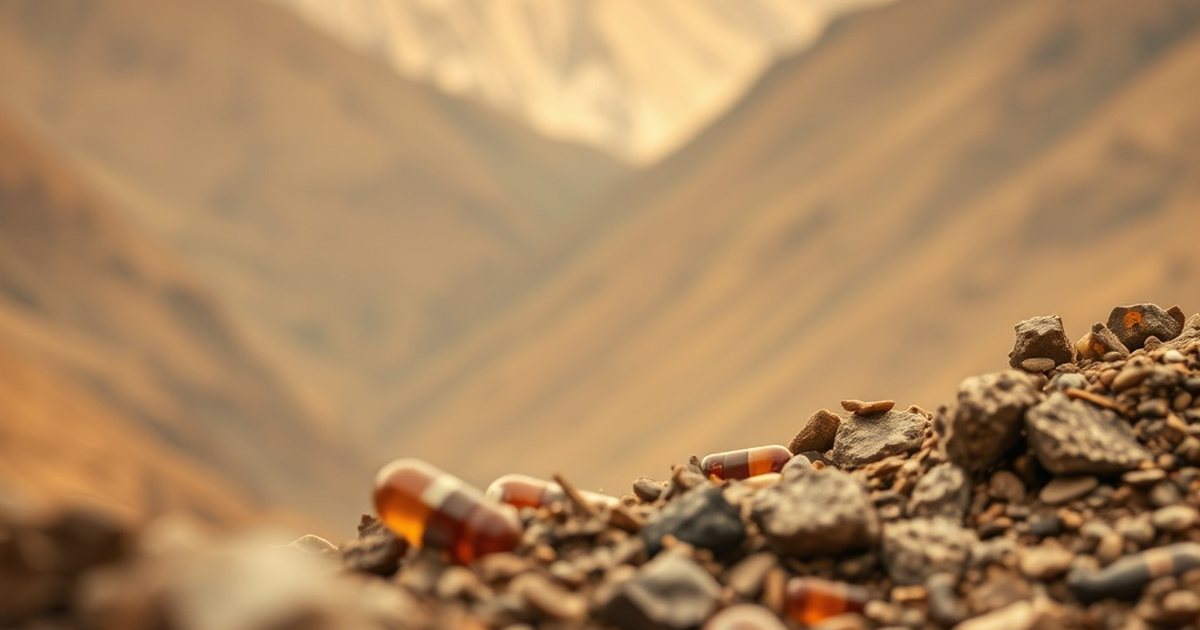
Shilajit — a resinous mineral pitch that seeps from rock faces in high-altitude mountain ranges — is widely used as a supplement for energy, testosterone support, and cognitive function. Its primary active constituents include fulvic acid, humic acids, dibenzo-alpha-pyrones, and a range of trace minerals. Because these compounds are biologically active rather than inert, they have the potential to interact with prescription medications and over-the-counter drugs.
Honest disclosure upfront: direct human clinical data on shilajit drug interactions is essentially absent. What researchers have so far comes from animal studies and mechanistic research. This article summarizes those findings accurately, explains what the proposed mechanisms mean in plain terms, and outlines which groups should be most cautious. Nothing here constitutes medical advice, and anyone managing a health condition should speak with their physician before adding shilajit to their routine.
Key Takeaways
- Shilajit is biologically active via fulvic acid, dibenzo-alpha-pyrones, and trace minerals — making drug interactions a legitimate pharmacological concern, not a theoretical one.
- Animal research found shilajit modifies the development of tolerance to morphine [1]; people on opioid medications should consult their physician before using shilajit.
- Shilajit modulates liver signaling pathways (NF-κB, AKT, Caspase-3) demonstrated in an acetaminophen injury model [2], which means it may influence how the liver metabolizes other drugs.
- Heavy metal contamination in low-quality shilajit products adds a compounding safety risk, especially for those managing chronic conditions with prescription medications.
- Human clinical data on shilajit drug interactions is essentially absent; all specific interaction findings come from animal models and should not be used to make definitive clinical decisions.
Why Shilajit Is Not Pharmacologically Inert
A supplement only raises drug-interaction concerns if it meaningfully affects biology — and shilajit does. Fulvic acid, its best-characterized active compound, can chelate (bind) metal ions and may influence cellular membrane transport. Dibenzo-alpha-pyrones and their chromoproteins appear to support mitochondrial electron transport, affecting how cells generate ATP. These are measurable pharmacological effects, not marketing claims.
Beyond individual compounds, shilajit has been shown in animal models to modulate established drug-metabolism and immune-signaling pathways, including NF-κB, AKT, and Caspase-3. Any substance that influences these pathways has the theoretical potential to alter how the body processes co-administered medications. The concern is real, even if the human evidence to quantify it does not yet exist.
Opioid Medications: A Specific Animal-Model Signal
The most direct drug-interaction finding in the shilajit literature involves opioid medications. A study published in Phytotherapy Research examined whether shilajit modified opioid pharmacology in mice and found that it influenced the development of tolerance to morphine [1]. Animals that received shilajit alongside repeated morphine dosing developed tolerance differently than controls, suggesting shilajit interacted with the neurological mechanisms underlying opioid adaptation.
The precise pathway was not fully characterized in that study, but the finding is meaningful because it points to a specific drug class — opioids — where shilajit may modify how the body responds, whether in terms of pain relief, tolerance development, or dosing requirements. This animal-derived signal cannot be directly translated to human prescribing, but it is not a hypothetical concern either.
Anyone taking opioid analgesics (such as oxycodone, hydrocodone, codeine, or morphine) or opioid-based addiction treatment medications (such as methadone or buprenorphine) should discuss shilajit use with their prescribing physician before starting it. The evidence base is small, but the pharmacological signal warrants clinical caution.

Liver Metabolism and Acetaminophen: A Two-Sided Finding
The liver is the primary site where both drugs and herbal supplements are processed, making it central to any drug-interaction discussion. A 2026 study on a shilajit extract (marketed as ZhaXun) found that it reduced acetaminophen-induced liver injury in an animal model by modulating the NF-κB/AKT/Caspase-3 signaling axis [2]. In this model, the extract appeared to dampen the inflammatory and cell-death pathways triggered by acetaminophen toxicity.
This finding has two sides worth distinguishing. A possible protective effect on liver cells in a toxic-exposure scenario is an interesting finding. But the fact that shilajit actively modulates NF-κB, AKT, and Caspase-3 is simultaneously a signal that it is not inert with respect to hepatic function. Any compound that shifts liver signaling has the potential to alter the metabolism of other drugs — affecting how quickly they are broken down, how much accumulates in the bloodstream, or how toxic metabolites are handled.
People who regularly use acetaminophen at high doses, or who take any medication primarily processed by the liver, should be aware that shilajit interacts with liver pathways. This concern is amplified for individuals with pre-existing liver disease, heavy alcohol users, or those on other hepatotoxic agents.
Purity and Heavy Metal Contamination: A Separate but Compounding Risk
Distinct from but compounding the drug-interaction concern is purity. Shilajit in its raw or inadequately processed form can contain heavy metals — including lead, arsenic, and mercury — at concentrations that vary based on geographic source and purification method. This is not a minor quality consideration; it is a documented safety issue with unregulated or poorly sourced products.
For individuals who also take medications metabolized by the liver or kidneys, co-exposure to heavy metals adds an independent risk layer. Fulvic acid’s chelating properties — normally cited as a benefit for mineral delivery — may also theoretically influence the absorption or activity of certain drugs or the minerals required for their metabolism (for example, zinc-dependent enzymes involved in drug processing).
Before using any shilajit supplement, verify that it carries third-party testing for heavy metals and documentation of its fulvic acid content. This step is especially important for anyone on prescription medications or managing a chronic condition.
What Repeated-Dose Safety Data Does and Does Not Tell Us
A 91-day repeated-administration study in rats assessed the safety profile of black shilajit and found that it was generally tolerated without serious adverse findings in that animal model [3]. This type of subchronic safety study is a standard early step in evaluating a supplement’s standalone risk, and a clean result at this stage is meaningful preliminary data.

However, this study assessed shilajit alone — not in combination with any pharmaceutical. A finding of acceptable standalone toxicity in rats does not predict what happens when shilajit is co-administered with opioids, hepatically metabolized drugs, or immunosuppressants in humans. The absence of standalone rodent toxicity is not equivalent to confirmed safety in medicated human populations. Both things can be true simultaneously: shilajit may be relatively safe in healthy individuals at normal doses, and still warrant caution in specific medicated populations.
Who Should Be Most Cautious
Based on available evidence and the pharmacological mechanisms identified, several groups face elevated theoretical risk when combining shilajit with medications. People taking opioid analgesics or opioid maintenance therapy face the most directly evidenced concern, given the morphine tolerance findings in animal research [1]. People on hepatically metabolized drugs or those with liver disease carry elevated risk given shilajit’s demonstrated effects on NF-κB, AKT, and Caspase-3 liver signaling [2].
Additional groups warranting caution include individuals on immunosuppressants (since NF-κB is a central immune regulator and shilajit modulates it); those taking drugs with narrow therapeutic windows, where small changes in blood levels can significantly affect both efficacy and toxicity; people with hemochromatosis or other iron-overload conditions, given shilajit’s mineral content; and pregnant or breastfeeding individuals, for whom any supplement with demonstrated biological activity should be avoided without explicit medical guidance.
The practical takeaway is not that shilajit is categorically dangerous, but that it is not a passive bystander when combined with active medications. The pharmacological interactions it might produce are unquantified in humans, but the mechanisms that could drive them are real. A brief conversation with a physician or pharmacist — who can review your specific medication list — is the most proportionate response to that uncertainty.
🛒 Where to Buy Shilajit
- Pürblack Live ResinLab-tested / studied
resin, ~300-500 mg/day — Premium purified resin, third-party heavy-metal tested; widely regarded as a reference-quality resin. - Nootropics Depot PrimaVie ShilajitClinically studied
capsules, 250 mg — PrimaVie, the standardised shilajit extract used in published human trials. - Zazzee Shilajit 40:1 Extract
capsules, 40:1 extract — Standardised to 50% fulvic acid. - Swanson Shilajit Extract
capsules, 400 mg, 60 count — Budget option from a long-established supplement brand.
As an Amazon Associate we earn from qualifying purchases. Shilajit quality varies widely — always choose a product with a published third-party heavy-metal test (COA) before buying.
A Note on the Evidence
The evidence on shilajit drug interactions is limited to animal models, and no rigorous human clinical trials on this topic currently exist; these findings should inform caution, not clinical decisions made without professional guidance. Anyone taking prescription medications, managing a chronic health condition, or who is pregnant, breastfeeding, or has impaired liver or kidney function should consult a qualified healthcare provider before using shilajit.

Frequently Asked Questions
Can I take shilajit with prescription medications?
There is no robust human clinical data to answer this definitively. Animal research shows shilajit can modify opioid tolerance [1] and actively modulates liver signaling pathways involved in drug metabolism [2]. The safest approach is to bring your full medication list to your prescribing physician or pharmacist and ask specifically about adding shilajit.

Does shilajit interact with opioid pain medications?
An animal study found that shilajit influenced how mice developed tolerance to repeated morphine dosing [1]. While this finding cannot be directly extrapolated to humans, it represents a specific pharmacological signal for this drug class. People taking opioid analgesics (oxycodone, hydrocodone, codeine, morphine) or opioid maintenance medications (methadone, buprenorphine) should discuss shilajit use with their doctor before starting it.
Is shilajit safe to take with Tylenol (acetaminophen)?
A 2026 animal study found that a shilajit extract reduced acetaminophen-induced liver injury by modulating NF-κB, AKT, and Caspase-3 pathways [2]. This suggests shilajit is not inert with respect to acetaminophen’s effects on the liver. While the study showed a potentially protective effect in that specific toxic-exposure model, shilajit’s modulation of these liver pathways means interactions with acetaminophen are plausible and worth discussing with a healthcare provider, particularly for anyone using acetaminophen regularly or at higher doses.
How was shilajit's general safety profile evaluated?
A 91-day repeated-dose study in rats assessed black shilajit’s safety and found it was generally tolerated without serious adverse findings in that model [3]. This subchronic animal safety study is a meaningful early-stage signal, but it did not evaluate shilajit in combination with medications, and results in rats cannot be directly assumed to apply to humans, especially those on complex drug regimens.
Who should avoid shilajit entirely or seek medical clearance before using it?
Pregnant and breastfeeding individuals should avoid shilajit due to absent safety data in those populations. People with active liver or kidney disease, hemochromatosis, or conditions requiring immunosuppressant drugs should not use it without physician approval. Anyone on opioid medications, anticoagulants, thyroid medications, or drugs with a narrow therapeutic index should seek specific medical guidance before starting shilajit.
Does shilajit product quality affect drug interaction risk?
Yes, meaningfully. Poorly purified shilajit can contain elevated levels of heavy metals such as lead, arsenic, and mercury, which create independent health risks and may compound drug-related stress on the liver and kidneys. The chelating properties of fulvic acid may also theoretically affect the absorption of certain medications or minerals needed for drug metabolism. Third-party heavy-metal testing and documented fulvic acid content are minimum quality standards to verify before purchase.
References
- Tiwari P et al. Effects of Shilajit on the development of tolerance to morphine in mice. Phytotherapy research : PTR (2001). PMID 11268125
- He SQ et al. Shilajit extract (ZhaXun) protects against acetaminophen-induced liver injury via modulation of the NF-κB/AKT/Caspase-3 axis. Journal of ethnopharmacology (2026). PMID 40957543
- Velmurugan C et al. Evaluation of safety profile of black shilajit after 91 days repeated administration in rats. Asian Pacific journal of tropical biomedicine (2012). PMID 23569899
These statements have not been evaluated by the Food and Drug Administration. This information is not intended to diagnose, treat, cure, or prevent any disease. Content is for informational purposes only and is not medical advice; consult a qualified healthcare provider before starting any supplement. As an Amazon Associate we earn from qualifying purchases.
