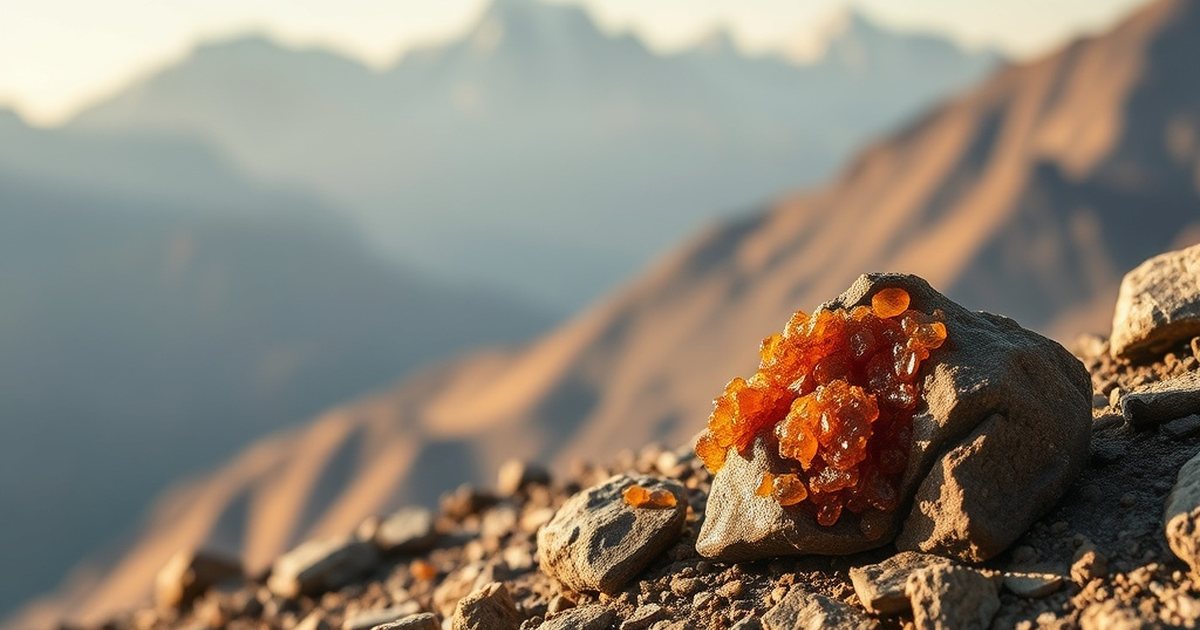
Male infertility is a significant and often under-discussed health concern, with low sperm count and poor sperm motility accounting for a substantial share of couples struggling to conceive. Among the natural substances that have attracted scientific attention in this area is shilajit — a tar-like resin that oozes from Himalayan and other high-altitude mountain rocks and has been used in Ayurvedic and traditional Central Asian medicine for centuries. It is rich in fulvic acid, humic acids, dibenzo-alpha-pyrones, and a broad spectrum of trace minerals that proponents argue may support reproductive function.
The evidence base for shilajit and male fertility is still developing. There is one small published human clinical trial, supported by a handful of animal studies, that suggest shilajit may positively influence sperm parameters. This article summarizes what that research actually shows, explains the proposed biological mechanisms in plain language, and is honest about where the evidence is limited. Nothing here constitutes medical advice, and anyone experiencing fertility concerns should work with a qualified healthcare provider.
Key Takeaways
- One small human clinical trial found improvements in sperm count and motility in men with oligospermia after 90 days of processed shilajit supplementation [2], but larger controlled trials are needed.
- Animal studies support spermatogenic effects and suggest shilajit’s fulvic acid may protect sperm against oxidative and toxin-induced damage [PMID 16698205, PMID 29947420].
- The proposed mechanisms — antioxidant activity, mitochondrial energy support, and trace mineral delivery — are biologically plausible but not yet fully proven in human populations.
- Product purity is a critical concern: contaminated shilajit can contain heavy metals that harm rather than help reproductive health [3].
- Shilajit is not a proven fertility treatment. Men experiencing infertility should consult a urologist or reproductive endocrinologist rather than relying on supplementation alone.
The Key Human Clinical Study
The most direct human evidence comes from a clinical evaluation published in Andrologia that enrolled men diagnosed with oligospermia — a condition defined by a lower-than-normal sperm count [2]. Participants received processed shilajit twice daily for 90 days, and their sperm parameters were assessed before and after the intervention. The study reported statistically significant improvements in total sperm count, sperm motility, and other semen quality markers compared to baseline.
This is an encouraging finding, but important caveats apply. The study was small in size, lacked a placebo arm in some analyses, and was conducted by researchers with an interest in shilajit’s therapeutic potential. A single trial of this scale cannot establish causation or generalize to broader populations. Larger, rigorously controlled, double-blind randomized trials are needed before confident clinical recommendations can be made [3].
Animal Research: Spermatogenic Effects in Rodents
Prior to and alongside the human work, researchers have used animal models to investigate shilajit’s effects on the male reproductive system. A study involving chronic shilajit administration in rats found evidence of spermatogenic activity — meaning the substance appeared to support the process by which sperm cells are produced in the testes [1]. The same study also examined ovogenic effects in female animals, suggesting shilajit may have broader reproductive system activity.
Animal studies provide useful mechanistic clues and help researchers decide whether human trials are warranted, but results in rodents do not automatically translate to humans. Dose, metabolism, and physiology differ considerably across species. These findings are best understood as hypothesis-generating rather than confirmatory.


Shilajit Against Toxin-Induced Infertility: A Mouse Study
A separate line of animal research has investigated whether shilajit might protect male fertility against environmental toxins. One study used cadmium — a heavy metal known to impair testicular function and reduce sperm quality — to induce infertility in male mice [4]. When shilajit was administered alongside cadmium exposure, the treated animals showed better preservation of sperm parameters compared to animals that received cadmium without shilajit.
The researchers attributed these effects to shilajit’s antioxidant properties, particularly those linked to its fulvic acid content. Cadmium causes cellular damage largely through oxidative stress, and compounds that neutralize reactive oxygen species can mitigate this damage. If this mechanism holds in humans, shilajit might be particularly relevant in contexts involving heavy metal or oxidative burden — though this remains speculative without human data [4].
There is an irony worth noting here: shilajit itself can contain heavy metals, including lead and cadmium, depending on its geographic source and processing method. This underscores why product purity is a central concern when considering shilajit supplementation.
Proposed Mechanisms: How Shilajit Might Influence Sperm Biology
Researchers have proposed several interconnected mechanisms by which shilajit’s active constituents could influence male fertility. Fulvic acid — one of shilajit’s most abundant and well-studied components — acts as an electron carrier and antioxidant, helping to neutralize reactive oxygen species that can damage sperm DNA, membranes, and mitochondria. Sperm cells are particularly vulnerable to oxidative stress because they carry limited antioxidant defenses of their own.
Dibenzo-alpha-pyrones, a class of compounds found in processed shilajit, are thought to support mitochondrial function. Since sperm motility is directly dependent on mitochondrial energy production — the mitochondria are concentrated in the sperm’s midpiece specifically for this reason — anything that optimizes mitochondrial output could theoretically improve the percentage of actively moving sperm. Trace minerals transported by fulvic acid, including zinc and selenium, are also essential cofactors for testosterone synthesis and sperm production [3].
These mechanisms are biologically plausible and consistent with known sperm physiology. However, plausibility is not proof. The translation from proposed mechanism to demonstrated clinical benefit requires controlled human trials at adequate statistical power — and those trials have not yet been conducted at sufficient scale.
Shilajit and Testosterone: An Indirect Fertility Connection
Testosterone is not the same as fertility, but the two are closely linked. Testosterone drives spermatogenesis — the production of sperm in the testes — and low testosterone is associated with reduced sperm output. Some researchers have explored whether shilajit’s apparent effects on testicular function extend to androgen levels. The clinical study in oligospermic men noted improvements in testosterone levels alongside sperm parameters, though disentangling direct fertility effects from hormonal effects is methodologically complex [2].
The broader safety and efficacy review of shilajit notes its traditional use as a male tonic and reproductive support agent, and acknowledges that the constituent profile — particularly fulvic acid and trace mineral content — may support endocrine function [3]. This remains an area requiring more rigorous investigation.
Purity, Standardization, and the Limits of Current Evidence
A recurring theme across the shilajit research literature is the challenge of product variability. Raw shilajit collected from different geographic regions can vary enormously in its composition, and the presence of contaminants — including heavy metals such as lead, arsenic, and cadmium — has been documented in commercially available products [3]. For men considering shilajit with fertility in mind, this is especially salient: the very toxins that shilajit may protect against in animal models could be present in low-quality shilajit products.
Processing methods matter. Studies generally use processed or purified shilajit, not raw resin, and the clinical trial on oligospermia specifically used a processed form [2]. Consumers should look for products that provide third-party heavy metal testing and standardized fulvic acid content. The absence of regulatory standards in most markets makes this due diligence essential.
🛒 Where to Buy Shilajit
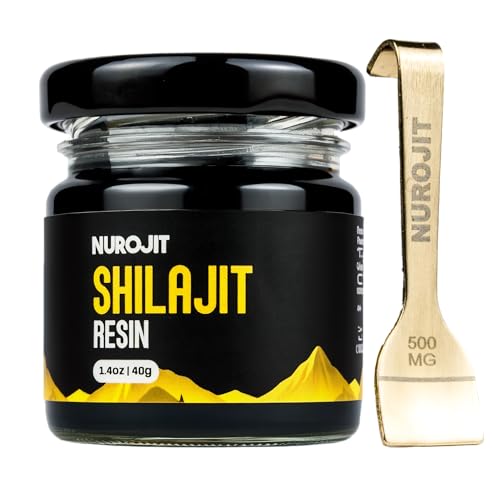
- Pürblack Live ResinLab-tested / studied
resin, ~300-500 mg/day — Premium purified resin, third-party heavy-metal tested; widely regarded as a reference-quality resin. - Toniiq Shilajit
capsules, 500 mg — Standardized fulvic-acid %, third-party tested generic. - Nutricost Shilajit Extract
capsules, 500 mg — Low-cost large-count bottles. - Double Wood Shilajit
capsules, 500 mg — Budget-friendly, COA on request.
As an Amazon Associate we earn from qualifying purchases. Shilajit quality varies widely — always choose a product with a published third-party heavy-metal test (COA) before buying.
A Note on the Evidence
The evidence for shilajit’s effects on male fertility consists of one small clinical trial and animal studies — it is early-stage research, not established medicine. Shilajit supplements vary widely in quality and can contain harmful heavy metals if not rigorously tested; always choose a product with third-party contaminant testing. Men with fertility concerns, hormonal conditions, kidney disease, or those taking medications should consult a qualified healthcare provider before using shilajit.
Frequently Asked Questions
Does shilajit increase sperm count?
One published clinical study in men with low sperm counts found significant increases in total sperm count after 90 days of processed shilajit supplementation [2]. However, this was a single small study, and these results have not been replicated in large randomized controlled trials. It is premature to describe shilajit as a reliable treatment for low sperm count.

Can shilajit improve sperm motility?
The same clinical evaluation that assessed sperm count also reported improvements in sperm motility, meaning a higher percentage of sperm were actively moving [2]. Animal research supports the idea that shilajit’s antioxidant and mitochondrial-supporting properties could contribute to this effect, since motility depends heavily on mitochondrial energy. Human evidence remains limited to one trial.

How long does shilajit need to be taken to affect fertility?
The human clinical trial on oligospermia used a 90-day supplementation period, which aligns with the roughly 74-day cycle of human sperm production [2]. It is reasonable to assume that any effect on sperm parameters would require at least this much time, as sperm being assessed today were produced months earlier. Shorter durations have not been studied in this context.
Is shilajit safe for men trying to conceive?
Purified, tested shilajit products appear to be generally well-tolerated in short-term use [3]. The primary safety concern for fertility specifically is heavy metal contamination in low-quality products — cadmium, lead, and arsenic can all impair reproductive function. Men should only use shilajit that has been independently tested for heavy metal content and should discuss supplementation with their doctor.
Does shilajit affect testosterone as well as sperm?
The clinical study on oligospermic men observed improvements in testosterone levels alongside sperm parameters [2]. Testosterone and spermatogenesis are closely linked, so it is difficult to separate these effects. Some of the benefit to sperm production may be mediated through improved testosterone levels, though the exact relationship requires further study.
What does shilajit research tell us about protecting fertility from environmental toxins?
A mouse study found that shilajit administration helped preserve sperm parameters in animals whose infertility was induced by cadmium, a toxic heavy metal [4]. Researchers attributed this to shilajit’s antioxidant capacity. Whether this protective effect translates meaningfully to humans exposed to environmental toxins is not yet known, and no human trials have tested this specific scenario.
References
- Park JS et al. The spermatogenic and ovogenic effects of chronically administered Shilajit to rats. Journal of ethnopharmacology (2006). PMID 16698205
- Biswas TK et al. Clinical evaluation of spermatogenic activity of processed Shilajit in oligospermia. Andrologia (2010). PMID 20078516
- Stohs SJ et al. Safety and efficacy of shilajit (mumie, moomiyo). Phytotherapy research : PTR (2014). PMID 23733436
- Mishra RK et al. Profertility effects of Shilajit on cadmium-induced infertility in male mice. Andrologia (2018). PMID 29947420
These statements have not been evaluated by the Food and Drug Administration. This information is not intended to diagnose, treat, cure, or prevent any disease. Content is for informational purposes only and is not medical advice; consult a qualified healthcare provider before starting any supplement. As an Amazon Associate we earn from qualifying purchases.
