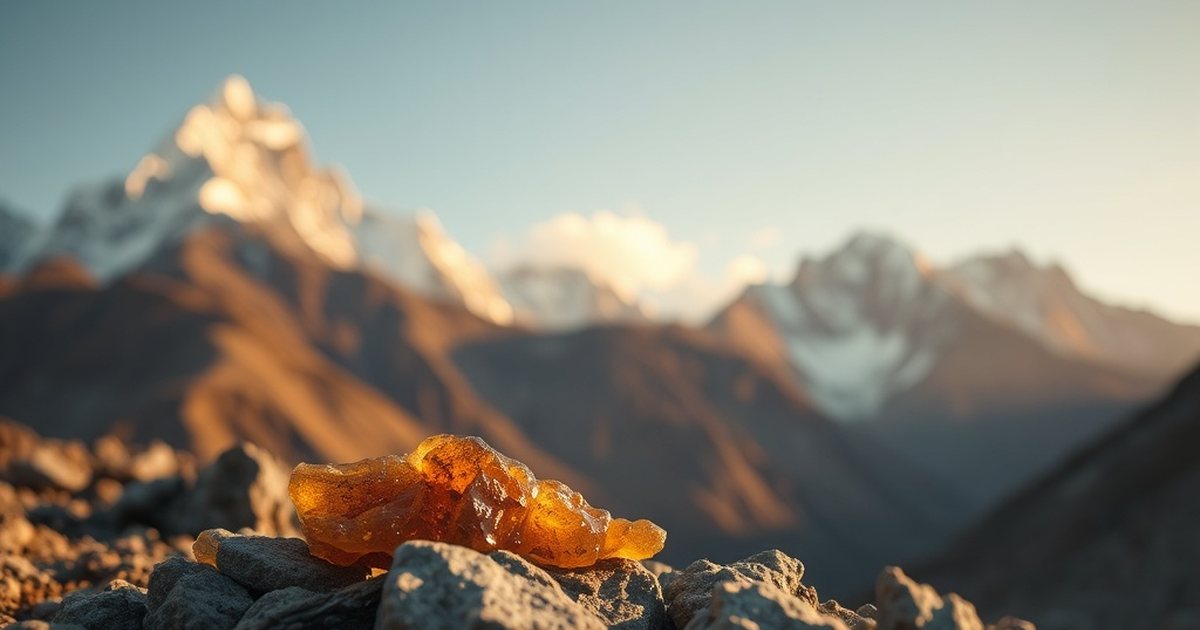
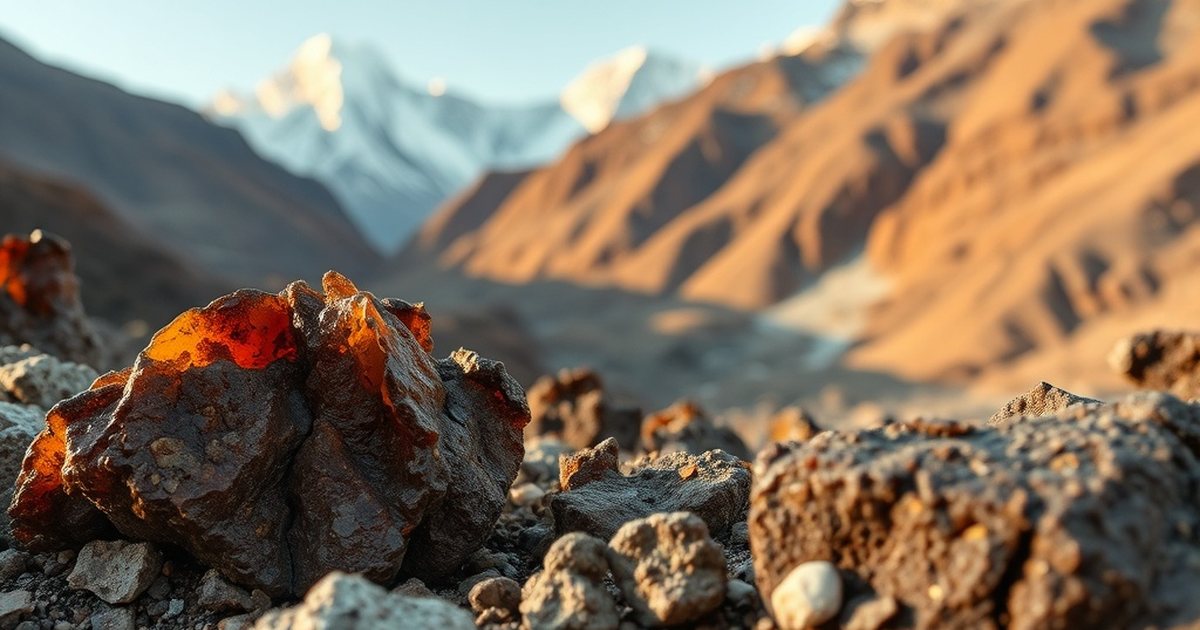
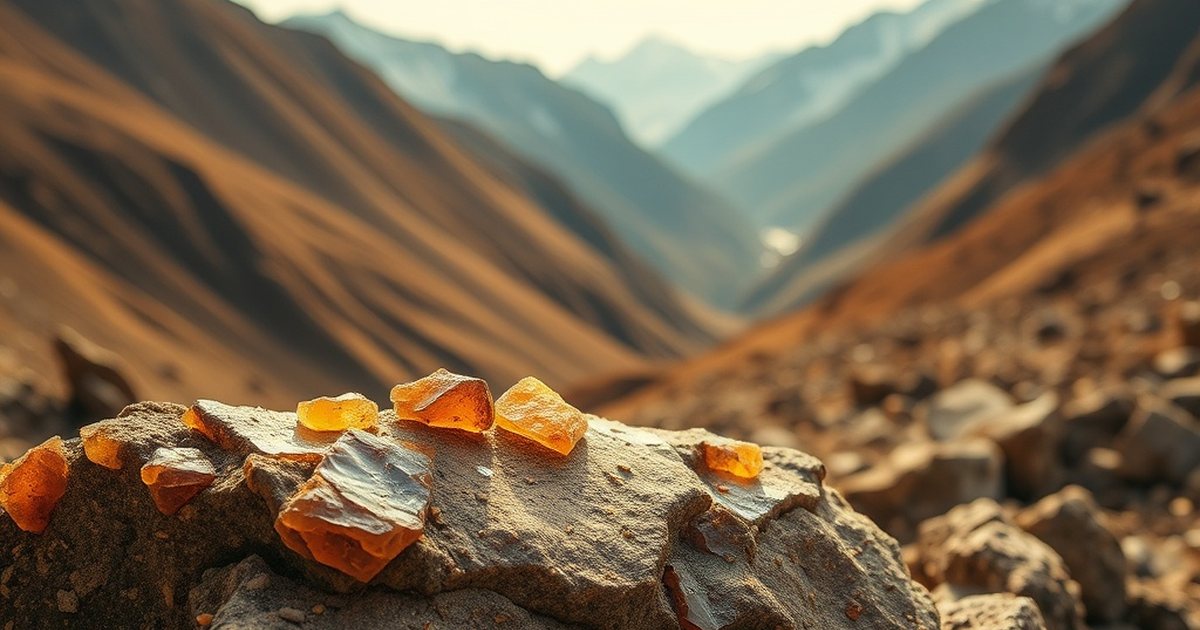
Shilajit is a dark, tar-like resin that seeps from rock fissures in high-altitude mountain ranges—most notably the Himalayas, Altai, and Caucasus—formed over centuries from the slow decomposition of plant material. It has a long history in Ayurvedic medicine as a broad-spectrum tonic. Its primary bioactive constituents include fulvic and humic acids, dibenzo-alpha-pyrones (DBPs), and an array of trace minerals. In recent years, interest has grown around its potential relevance to exercise—specifically whether it might support muscular strength, post-exercise recovery, or energy metabolism.
It is important to approach that interest with calibrated expectations. Shilajit research in the context of exercise performance is still early, consisting largely of small pilot studies and transcriptomic investigations rather than large, long-term randomized controlled trials. What exists is a modest but genuinely interesting body of preliminary evidence suggesting that shilajit’s bioactive compounds may influence how muscle cells respond to exercise stress and how tissue repair is supported—though the magnitude and clinical relevance of these effects remain unclear.
Key Takeaways
- Shilajit contains fulvic and humic acids, dibenzo-alpha-pyrones, and trace minerals with plausible but not yet definitively proven mechanisms relevant to muscle energy metabolism and recovery.
- A transcriptome study found shilajit supplementation associated with changes in skeletal muscle gene expression related to energy metabolism and structural repair pathways [3].
- A 28-day open-label pilot study observed physical performance and blood biomarker changes, but without a placebo control these results must be interpreted cautiously [5].
- Product purity is a genuine safety concern—raw or unprocessed shilajit may contain heavy metals; only use products with documented third-party testing [2].
- Current exercise performance evidence is preliminary; shilajit shows biological signals worth further study, but large randomized controlled trials are needed before firm conclusions can be drawn.
Shilajit's Bioactive Compounds and Why They Are Proposed to Matter for Muscle
The exercise-relevant mechanisms hypothesized for shilajit center on three main constituent groups. Fulvic acid, the most studied, is a low-molecular-weight organic acid capable of binding minerals and facilitating their cellular uptake, potentially supporting the enzymatic functions that drive energy metabolism. Dibenzo-alpha-pyrones (DBPs) are thought to interact with mitochondrial electron transport chains—the cellular machinery that generates ATP, the primary energy currency used during both aerobic and resistance exercise. The trace mineral profile of shilajit (which can include iron, zinc, magnesium, selenium, and copper depending on the source) may also support enzyme cofactor availability, which can be relevant for athletes who lose minerals through sweat.
These mechanisms are theoretically coherent: improved mitochondrial efficiency and better mineral bioavailability could, in principle, reduce fatigue, support endurance, or accelerate recovery from exercise-induced muscle damage. Mechanistic plausibility, however, does not equal demonstrated clinical benefit. What the available human research has done is probe whether these proposed mechanisms leave measurable biological signatures in exercising people—and in a small number of studies, they appear to do so.
Skeletal Muscle Gene Expression: A Transcriptome Study
One of the more molecularly detailed investigations into shilajit’s muscle effects examined changes at the gene expression level. A 2016 study published in the Journal of Medicinal Food analyzed the skeletal muscle transcriptome—the full pattern of genes being actively expressed—in response to oral shilajit supplementation [3]. The study found that supplementation was associated with altered expression of genes involved in energy metabolism, structural muscle maintenance, and repair-related signaling pathways.
Transcriptome studies are hypothesis-generating rather than hypothesis-confirming. Showing that certain genes shift their expression does not tell us whether a person lifts more weight or recovers measurably faster. However, it does provide biological plausibility: if shilajit can modulate the molecular environment of skeletal muscle cells in directions consistent with enhanced repair and energy turnover, that creates a credible rationale for clinical performance research. The authors noted the findings warranted further investigation with functional endpoints [3].

Physical Performance Outcomes: An Open-Label Pilot Study
A more recent 2026 pilot study published in Cureus examined the effects of a processed shilajit resin product (TruBlk™) on physical performance and blood biomarkers over 28 days in healthy adults [5]. Participants showed changes in select performance measures and blood markers relevant to muscle stress and recovery over the supplementation period. The study specifically tested a branded, standardized product—results are not necessarily generalizable to all shilajit preparations.
As an open-label study without a placebo control, this design cannot rule out expectation bias or natural variation over time—these are standard limitations of pilot research [5]. The study provides useful preliminary signals about short-term tolerability and biological markers, and can inform the design of more rigorous controlled trials. It should not be interpreted as proof that shilajit improves exercise performance.
Tissue Repair and Microvascular Mechanisms: Evidence from Related Research
An indirect but relevant line of evidence comes from shilajit research on other tissue types. A 2019 study examining skin transcriptome changes in response to shilajit supplementation found upregulation of pathways related to microvascular function and extracellular matrix (ECM) remodeling [4]. While the primary focus was skin tissue, these mechanisms—capillary support and connective tissue maintenance—are also foundational to muscle recovery, tendon integrity, and the tissue repair processes triggered by intense exercise.
Microvascular delivery of oxygen and nutrients to working muscles, and the structural remodeling of connective tissue after repeated loading, are underappreciated determinants of exercise recovery. This research suggests shilajit may influence these pathways at the transcriptome level [4], though whether the effect size is meaningful in an athletic population has not yet been directly studied.
What Earlier Reviews Concluded About Shilajit and Exertion
A 2000 review in The American Journal of Clinical Nutrition surveyed evidence for several herbal supplements—including mumie, an alternative name for shilajit—in relation to human exercise performance [1]. The review found the available evidence at that time to be limited and called for better-controlled trials. This reflects the state of the field before more recent molecular investigations and should be read as historical context rather than a current assessment.
A 2014 review in Phytotherapy Research specifically examined the safety and efficacy of shilajit across its traditional uses, acknowledging its historical application in fatigue and physical recovery contexts while characterizing the clinical evidence base as modest and noting that processing method and source substantially affect both safety and active compound content [2]. No serious safety signals emerged for properly prepared products at typical doses, but purity concerns were flagged as a practical priority.
Product Quality, Heavy Metals, and Who Should Exercise Caution
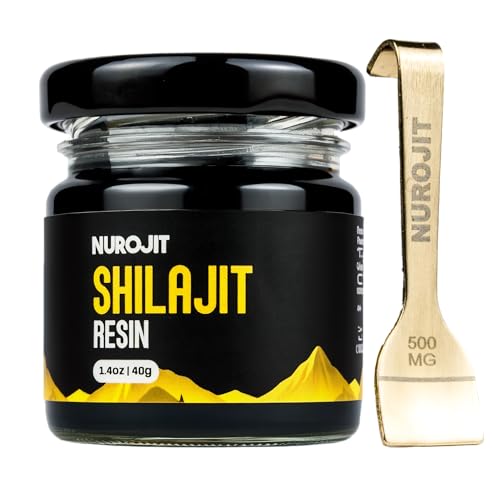
Shilajit is not a chemically uniform product. Its composition varies by geographic origin, altitude of collection, season, and especially by processing method. Raw or improperly processed shilajit can carry heavy metal contamination—including lead, arsenic, and mercury—as well as microbial contaminants [2]. This is not a minor footnote; for regular supplementation users, it is the primary practical safety concern. Reputable products will provide third-party independent testing results confirming heavy metals fall below established safety thresholds.
Standardized resin or extract products that document their fulvic acid concentration give consumers a more reliable basis for product comparison. Individuals with kidney disease, those who are pregnant or breastfeeding, people taking anticoagulant medications, and anyone with known iron-overload conditions should speak with a physician before using shilajit. Given the wide variation in product quality on the market, due diligence on sourcing is not optional—it is the primary risk-management step for anyone interested in this supplement.
🛒 Where to Buy Shilajit
- Pürblack Live ResinLab-tested / studied
resin, ~300-500 mg/day — Premium purified resin, third-party heavy-metal tested; widely regarded as a reference-quality resin. - Toniiq Shilajit
capsules, 500 mg — Standardized fulvic-acid %, third-party tested generic. - Nutricost Shilajit Extract
capsules, 500 mg — Low-cost large-count bottles. - Double Wood Shilajit
capsules, 500 mg — Budget-friendly, COA on request.
As an Amazon Associate we earn from qualifying purchases. Shilajit quality varies widely — always choose a product with a published third-party heavy-metal test (COA) before buying.
A Note on the Evidence
The research on shilajit and exercise performance is early-stage, consisting primarily of small pilot studies and transcriptome investigations without large, placebo-controlled trials; findings should be treated as preliminary and not as established performance claims. Unprocessed or low-quality shilajit can contain dangerous levels of heavy metals, and individuals who are pregnant, breastfeeding, have kidney disease, or take anticoagulant medications should consult a physician before use. This article is informational only and does not constitute medical advice.
Frequently Asked Questions
Can shilajit improve strength or athletic performance?
The evidence is preliminary and not conclusive. A 28-day open-label pilot study found physical performance changes in healthy adults using a processed shilajit resin [5], and a transcriptome study showed shilajit-associated shifts in skeletal muscle gene expression related to energy metabolism and repair [3]. Both studies have significant design limitations—no large placebo-controlled trials currently establish a definitive strength benefit.

How might shilajit affect muscle recovery after exercise?
Shilajit’s fulvic acid is theorized to enhance cellular uptake of minerals that support repair enzymes, while dibenzo-alpha-pyrones may aid mitochondrial function and reduce oxidative stress after exercise. Research on tissue transcriptomes has found shilajit associated with upregulation of extracellular matrix and microvascular pathways relevant to tissue repair [4], though direct evidence specifically in post-exercise recovery scenarios remains limited.
Is shilajit safe to use as an exercise supplement?
Properly processed, third-party-tested shilajit appears reasonably well tolerated for healthy adults at typical doses based on available reviews [2]. The primary risk comes from unprocessed or low-quality products that may contain heavy metals or microbial contaminants. Always source from suppliers who provide independent testing documentation, and consult a healthcare provider if you have kidney disease, are pregnant, or take any medications.
How long does shilajit need to be taken before any exercise effects might appear?
The pilot study showing physical performance changes used a 28-day supplementation protocol [5], and the muscle transcriptome study also used a multi-week regimen [3]. Based on current evidence, any potential effects would likely require consistent use over several weeks. An optimal dose and duration have not been established by controlled research.
Does the source or type of shilajit product matter for exercise use?
Yes, significantly. Shilajit composition varies by geographic origin and processing, and raw forms can harbor heavy metals [2]. The 2026 pilot study specifically tested a branded, standardized resin product, meaning its results are not automatically transferable to other preparations [5]. Look for products standardized for fulvic acid content and verified by independent third-party heavy-metal testing.
Are there risks of using shilajit alongside intense training?
No exercise-specific interaction risks have been identified in the available studies. The main documented concern is heavy metal contamination from unverified products, which is a risk independent of training status [2]. Athletes undertaking very high training volumes who have underlying conditions—particularly kidney stress from dehydration—should be especially careful to consult a physician before adding any new mineral-containing supplement to their regimen.
References
- Bucci LR et al. Selected herbals and human exercise performance. The American journal of clinical nutrition (2000). PMID 10919969
- Stohs SJ et al. Safety and efficacy of shilajit (mumie, moomiyo). Phytotherapy research : PTR (2014). PMID 23733436
- Das A et al. The Human Skeletal Muscle Transcriptome in Response to Oral Shilajit Supplementation. Journal of medicinal food (2016). PMID 27414521
- Das A et al. Skin Transcriptome of Middle-Aged Women Supplemented With Natural Herbo-mineral Shilajit Shows Induction of Microvascular and Extracellular Matrix Mechanisms. Journal of the American College of Nutrition (2019). PMID 31161927
- Yadav D et al. Safety and Efficacy of TruBlk™ Shilajit Resin Supplementation on Physical Performance and Blood Biomarkers in Healthy Adults: A 28-Day Open-Label Pilot Study. Cureus (2026). PMID 41613504
These statements have not been evaluated by the Food and Drug Administration. This information is not intended to diagnose, treat, cure, or prevent any disease. Content is for informational purposes only and is not medical advice; consult a qualified healthcare provider before starting any supplement. As an Amazon Associate we earn from qualifying purchases.
