In the relentless pursuit of peak performance, enhanced energy, and optimized hormonal health, men and biohackers alike often find themselves navigating a crowded landscape of supplements. The promise of increased testosterone, sharper cognition, and faster recovery is alluring, but separating genuine efficacy from marketing hype can be a significant challenge. Among the myriad options, Shilajit, a mineral-rich exudate from mountain rocks, has garnered considerable attention, touted for its ancient origins and diverse potential benefits.
But how does Shilajit truly measure up against other popular supplements claiming similar advantages? Are its benefits scientifically validated, or is it another fleeting trend? More critically, with the growing concern over supplement purity and heavy metal contamination, how can discerning consumers ensure they are investing in a safe and effective product? This article aims to provide an evidence-based comparison, helping you make informed decisions in 2026.
FTC Disclosure: This article contains affiliate links. If you make a purchase through these links, ShilajitHub may earn a commission at no extra cost to you. This helps support our research and content creation.
Shilajit: The Foundation of Its Claims
Shilajit, often referred to as “mineral pitch” or “Conqueror of Mountains and Destroyer of Weakness,” is a sticky, tar-like substance primarily found in the Himalayan, Altai, and Caucasus mountain ranges. It forms over centuries from the decomposition of plant matter and microbial action, resulting in a rich concentration of fulvic acid, humic acid, minerals, and other organic compounds.
Its traditional use in Ayurvedic medicine spans thousands of years, where it is valued as a rejuvenator and adaptogen. Modern scientific inquiry has begun to explore these traditional claims, particularly concerning its impact on testosterone, energy metabolism, and cognitive function.
Fulvic Acid: The Bioactive Powerhouse
Central to Shilajit’s purported benefits is its high concentration of fulvic acid. This organic compound acts as a potent chelator, facilitating the absorption of minerals and nutrients into cells. It also possesses antioxidant and anti-inflammatory properties, which may contribute to overall cellular health and disease prevention.
Research suggests fulvic acid can support mitochondrial function, the energy powerhouses of our cells, potentially leading to increased energy levels and reduced fatigue. Its role in nutrient transport is crucial for ensuring the body effectively utilizes the minerals present in Shilajit and from other dietary sources.
Shilajit for Testosterone: Evidence vs. Hype
One of the most compelling reasons men explore Shilajit is its potential to boost testosterone levels. Declining testosterone, a natural part of aging, can lead to reduced energy, decreased libido, muscle loss, and cognitive fogginess. Several studies have investigated Shilajit’s impact on this crucial hormone.
A notable double-blind, randomized, placebo-controlled clinical study published in Andrologia found that men aged 45-55 supplementing with purified Shilajit (250 mg twice daily) experienced a significant increase in total testosterone, free testosterone, and dehydroepiandrosterone (DHEA) levels compared to the placebo group after 90 days. Luteinizing hormone (LH) levels also increased, indicating a positive effect on the hypothalamic-pituitary-gonadal axis, which regulates testosterone production.
Another study in infertile men demonstrated similar positive effects on testosterone levels and sperm count, suggesting a broader impact on male reproductive health. The proposed mechanisms include Shilajit’s antioxidant properties protecting testicular cells from oxidative damage and its mineral content providing essential cofactors for hormone synthesis.
It is important to note that while promising, these studies often involve specific populations and dosages. More extensive, long-term research is needed to fully understand the extent and duration of Shilajit’s testosterone-boosting effects in a broader demographic. Shilajit is not a replacement for medical treatment for clinical hypogonadism.

Energy and Recovery: Fueling Your Performance
Beyond testosterone, Shilajit is frequently sought after for its purported ability to enhance energy and accelerate post-exercise recovery. This aligns with its traditional use as a general tonic and adaptogen, helping the body resist various stressors.
The fulvic acid component in Shilajit is believed to play a critical role in cellular energy production. By enhancing mitochondrial function, it can potentially improve ATP (adenosine triphosphate) synthesis, the primary energy currency of cells. This translates to more sustained energy throughout the day and improved endurance during physical activity.
Animal studies have supported these claims, showing that Shilajit supplementation can reduce chronic fatigue syndrome symptoms and improve exercise capacity. While human studies specifically on energy and recovery are fewer than those on testosterone, the mechanisms involving mitochondrial support and antioxidant action provide a plausible biological basis.
For athletes and active individuals, improved mitochondrial efficiency means less cellular damage from intense workouts and a quicker return to baseline, potentially reducing muscle soreness and speeding up recovery times. The adaptogenic nature of Shilajit may also help the body cope with the physiological stress of training.
Cognition and Brain Health: Sharpening the Mind
The benefits of Shilajit may extend to cognitive function, an area of increasing interest for biohackers. Traditional medicine often associated Shilajit with enhancing memory and overall brain health.
Preclinical research suggests Shilajit, particularly its fulvic acid component, may possess neuroprotective properties. It has been shown to inhibit the aggregation of tau protein, a key pathological hallmark in Alzheimer’s disease. By reducing oxidative stress and inflammation in the brain, Shilajit could potentially support neuronal health and connectivity.
While human studies directly linking Shilajit supplementation to significant improvements in memory or cognitive performance are still emerging and limited, the underlying mechanisms are compelling. Enhanced mitochondrial function, reduced oxidative damage, and potential anti-inflammatory effects all contribute to an environment conducive to optimal brain function.
Shilajit vs. Alternatives: A Comparative Look
To truly understand Shilajit’s position in the supplement market, it’s helpful to compare it with other popular options for testosterone, energy, and cognition. Each supplement offers unique mechanisms and profiles.
| Supplement | Primary Benefits Claimed | Key Mechanisms | Evidence Strength (2026) | Unique Considerations |
|---|---|---|---|---|
| Shilajit | Testosterone, energy, cognition, recovery | Fulvic acid, mineral content, mitochondrial support, antioxidant, adaptogen | Moderate (growing human studies for T, energy) | Broad spectrum of minerals, adaptogenic, purity concerns critical |
| Ashwagandha | Stress reduction, testosterone, energy, sleep | Adaptogen, reduces cortisol, improves stress response | Strong (multiple human studies for stress, T) | Primarily stress-related benefits, less direct energy boost than stimulants |
| Creatine | Muscle strength, power, cognitive function | Increases ATP regeneration in muscles and brain | Very Strong (extensive research for strength, some for cognition) | Best for high-intensity exercise, less direct hormonal impact |
| Vitamin D3 | Bone health, immune function, testosterone | Hormone precursor, modulates gene expression | Strong (for T in deficient individuals) | Essential vitamin, often deficient, requires sun exposure or supplementation |
| Magnesium | Muscle function, sleep, nerve function, testosterone | Cofactor for hundreds of enzymatic reactions, binds to SHBG | Moderate (for T in deficient individuals, muscle function) | Common deficiency, many forms with varying bioavailability |
| Rhodiola Rosea | Stress reduction, fatigue, endurance | Adaptogen, modulates neurotransmitters, reduces fatigue | Moderate (human studies for fatigue, stress) | Similar to Ashwagandha in adaptogenic function, focus on physical endurance |
| Caffeine | Acute energy, focus, exercise performance | Adenosine receptor antagonist | Very Strong (extensive research for acute effects) | Short-term effects, potential for tolerance/withdrawal, not hormonal |
As the table illustrates, Shilajit offers a unique blend of benefits, particularly its broad mineral spectrum and the multifaceted action of fulvic acid. While other supplements might excel in one specific area (e.g., Creatine for strength, Ashwagandha for stress), Shilajit presents a more holistic approach, addressing several interconnected aspects of health.
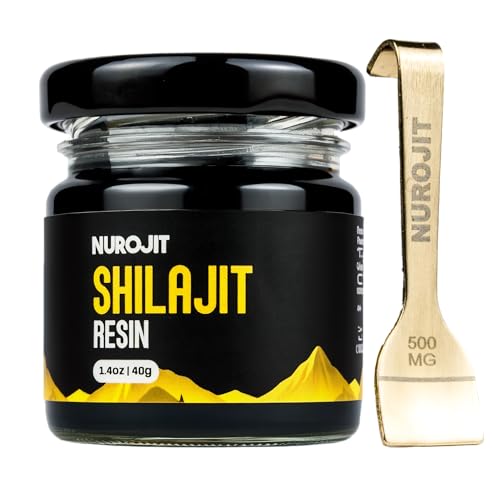
Supplement Purity and Heavy Metal Contamination: A Critical Concern
The growing popularity of Shilajit has unfortunately led to a proliferation of low-quality or adulterated products on the market. Given its natural origin from rocks, Shilajit is susceptible to heavy metal contamination, including lead, mercury, cadmium, and arsenic.
Consuming products contaminated with heavy metals poses significant health risks, ranging from neurological damage to kidney failure and cancer. Therefore, ensuring the purity and safety of your Shilajit supplement is not just important; it is paramount.
The Importance of Third-Party COAs
The most reliable way to verify the purity and quality of Shilajit is through a Certificate of Analysis (COA) from an independent, third-party laboratory. A legitimate COA will detail the product’s composition, including its fulvic acid content, and crucially, provide results for heavy metal testing.
When selecting a Shilajit product, always look for brands that transparently provide up-to-date COAs for each batch. These reports should show undetectable or well-below-safe-limit levels for common heavy metals. Reputable companies invest in rigorous testing to ensure their products meet stringent safety standards.
Other Purity Indicators
Beyond COAs, consider the following:
Source Region: Authentic Shilajit typically comes from high-altitude regions like the Himalayas. While not a guarantee of purity, it is a marker of traditional sourcing.
Processing Methods: Look for products that specify their purification process. Traditional methods often involve filtering with spring water, which helps remove impurities without harsh chemicals.
Form: Shilajit is available in resin, powder, and capsule forms. Resin is often considered the most traditional and pure form, but high-quality powders and capsules are also available from reputable manufacturers.
Choosing Your Shilajit: What to Look For (Amazon Affiliate Section)
When searching for Shilajit on platforms like Amazon, focus your search on specific product types that emphasize purity and quality. Do not just pick the cheapest option; prioritize safety and efficacy.

Look for purified shilajit resin third party tested. Resin is often preferred for its authenticity and minimal processing, but the “third party tested” aspect is non-negotiable for heavy metals and contaminants.
Consider shilajit extract capsules COA if you prefer the convenience of capsules. Ensure the product page clearly states that a Certificate of Analysis is available upon request or visible on the listing. This indicates a brand committed to transparency.
For those interested in the key active compound, search for fulvic acid mineral supplement heavy metal free. While not pure Shilajit, these supplements isolate the fulvic acid component and should still adhere to strict purity standards.
Conclusion: Shilajit’s Place in Your Biohacking Stack
Shilajit presents a compelling case as a multifaceted natural supplement for men and biohackers seeking to optimize testosterone, energy, cognition, and recovery. Its unique composition, particularly its fulvic acid content and rich mineral profile, offers mechanisms distinct from many other popular supplements.
While research is still evolving, the existing human studies for testosterone support its traditional claims, and the biological rationale for its energy and cognitive benefits is strong. However, the critical takeaway for any prospective user is the absolute necessity of prioritizing product purity.
In 2026, with increased awareness of supplement quality, choosing Shilajit means meticulously verifying third-party COAs to ensure it is free from heavy metal contamination. When sourced responsibly and consumed mindfully, Shilajit has the potential to be a valuable addition to a comprehensive health and performance regimen, stacking up favorably against many alternatives by offering a broad spectrum of synergistic benefits.
Frequently Asked Questions (FAQ)
What is Shilajit?
Shilajit is a sticky, tar-like substance found primarily in mountain ranges, formed from the decomposition of plant matter and minerals over centuries. It’s rich in fulvic acid, humic acid, and a wide array of trace minerals.
How does Shilajit increase testosterone?
Studies suggest Shilajit can increase total and free testosterone levels by stimulating the production of luteinizing hormone (LH), supporting the testicular cells, and potentially reducing oxidative stress, which benefits hormone synthesis.
Can Shilajit improve energy and focus?
Yes, Shilajit is believed to improve energy by enhancing mitochondrial function and ATP production, the body’s primary energy source. Its adaptogenic properties may also help reduce fatigue and improve mental clarity and focus.
What should I look for to ensure Shilajit purity?
Always look for a Certificate of Analysis (COA) from an independent third-party lab. This report should confirm the fulvic acid content and, critically, show that the product is free from heavy metals like lead, mercury, cadmium, and arsenic.
Are there any side effects of taking Shilajit?
When consuming high-quality, purified Shilajit at recommended dosages, side effects are generally rare. However, some individuals might experience mild digestive upset. It’s crucial to avoid unpurified Shilajit due to potential contaminants and always consult a healthcare professional before starting any new supplement.
How does Shilajit compare to other testosterone boosters like Ashwagandha or Vitamin D?
Shilajit offers a broad spectrum of minerals and fulvic acid, directly supporting testosterone production and overall vitality. Ashwagandha primarily works by reducing stress and cortisol, indirectly boosting testosterone. Vitamin D is an essential hormone that, when deficient, can impact testosterone. Shilajit provides a multi-pathway approach that complements these other supplements.
These statements have not been evaluated by the FDA. This product is not intended to diagnose, treat, cure, or prevent any disease.
These statements have not been evaluated by the Food and Drug Administration. This information is not intended to diagnose, treat, cure, or prevent any disease. Content is for informational purposes only and is not medical advice; consult a qualified healthcare provider before starting any supplement. As an Amazon Associate we earn from qualifying purchases.
