Shilajit — the tar-like resin that seeps from Himalayan and Central Asian rock formations — has attracted growing interest from researchers studying metabolic health. Its dense profile of fulvic acid, humic acids, dibenzo-alpha-pyrones, and trace minerals has led some scientists to ask whether it might influence how the body handles glucose and fat. Online claims often outpace the science, so this article sticks strictly to what published studies actually say.
The honest summary is that human evidence on shilajit and blood sugar is limited and early-stage. Most mechanistic work comes from animal models, and the one rigorous human trial available used shilajit as part of a multi-ingredient formula alongside diet and exercise. That context matters enormously when interpreting results. What follows is a careful walkthrough of the current research, the plausible biological rationale, and the significant gaps that remain.
Key Takeaways
- Animal research suggests shilajit may influence adipokines like resistin and adiponectin that are relevant to insulin sensitivity, but rodent findings often do not translate to humans [1].
- The only available human trial used shilajit in combination with chromium and Phyllanthus emblica alongside diet and exercise, making it impossible to isolate shilajit’s specific contribution to any metabolic effects [2].
- No controlled human study has demonstrated that shilajit alone improves fasting glucose, HbA1c, or insulin resistance in people with diabetes or prediabetes.
- Shilajit’s fulvic acid and trace minerals offer biologically plausible mechanisms related to mitochondrial function and insulin cofactor support, but plausibility is not proof.
- Purity is a real safety concern — heavy metal contamination in unverified products poses genuine risk, and anyone managing blood sugar with medication should consult a doctor before supplementing.
Proposed Mechanisms: Why Shilajit Might Influence Glucose Metabolism
Researchers have pointed to several components of shilajit that could, in theory, interact with metabolic pathways relevant to blood sugar regulation. Fulvic acid — arguably shilajit’s most studied bioactive compound — is a small-molecule humic substance that may improve cellular membrane permeability and support mitochondrial electron transport. Better mitochondrial function is associated with improved glucose oxidation in muscle tissue, which is a key step in clearing blood sugar after a meal.
Shilajit also contains dibenzo-alpha-pyrones (DBPs), which are thought to shuttle electrons within mitochondria and support ATP production. If cells generate energy more efficiently from glucose, the argument goes, they may be less prone to the insulin resistance that underpins type 2 diabetes. Additionally, shilajit’s humic acid fraction carries a broad spectrum of trace minerals including zinc, manganese, and iron — micronutrients that serve as cofactors in the enzyme systems governing glycolysis and insulin signaling.
These mechanisms are biologically plausible, but it is important to note that most supporting evidence comes from in vitro (cell) and animal studies. Translating these findings to human blood sugar control requires rigorous clinical trials, and very few have been conducted specifically with shilajit.
Animal Research: Adipokines and Metabolic Inflammation in Rats
One published animal study provides some suggestive mechanistic data. Researchers examining rats with non-alcoholic fatty liver disease (NAFLD) found that shilajit supplementation was associated with modulation of resistin, adiponectin, and inflammatory cytokines [1]. These adipokines are proteins secreted by fat tissue that directly influence insulin sensitivity. Resistin tends to promote insulin resistance, while adiponectin generally improves it; shifts in their balance are considered meaningful in the context of metabolic disease.


The relevance to blood sugar is indirect but logical: NAFLD and type 2 diabetes share deep metabolic roots, and adipokine dysregulation is a feature of both conditions. The fact that shilajit appeared to influence these markers in a rodent NAFLD model is interesting, but animal studies have well-known translation problems. Rodent physiology, dosing, and disease induction differ substantially from human metabolic disease, and results that look promising in rats frequently do not replicate in people [1].
Human Research: A Randomized Trial in Adults with Metabolic Syndrome Risk
A 2025 randomized, double-blind, placebo-controlled trial examined a combination supplement containing chromium, Phyllanthus emblica fruit extract, and shilajit over 12 weeks in men and women who had risk factors for metabolic syndrome and were simultaneously beginning an exercise and diet program [2]. The trial measured markers of cardiometabolic health, fitness, and body composition.
This study is the most methodologically sound human research currently available that includes shilajit in a blood-sugar-relevant context, and it deserves careful interpretation. Because the active arm received three ingredients together — not shilajit alone — any observed effects cannot be attributed specifically to shilajit. Chromium in particular has its own established research history regarding insulin sensitivity and glucose metabolism. Participants also made concurrent lifestyle changes, which independently improve cardiometabolic markers. Disentangling shilajit’s individual contribution is not possible from this trial design [2].
The study does represent genuine scientific effort to test whether this category of botanical supplementation, as part of a lifestyle program, can move cardiometabolic markers. It is a more credible data point than anecdotal reports or uncontrolled observations, but it stops well short of demonstrating that shilajit alone affects blood sugar in humans.
What These Studies Do Not Tell Us
No published study has yet demonstrated, in a controlled human trial, that shilajit supplementation alone lowers fasting blood glucose, reduces HbA1c, or improves insulin sensitivity in people with prediabetes or type 2 diabetes. The evidence base simply does not support those claims at this time. Any product or website asserting otherwise is going beyond what the science shows.
The animal data from the NAFLD rat model [1] and the multi-ingredient human trial [2] are best understood as hypothesis-generating — they provide enough biological plausibility to warrant further investigation, not enough to make therapeutic recommendations. Larger, longer, shilajit-only trials with rigorous glucose outcomes are needed before meaningful conclusions can be drawn for people managing blood sugar conditions.
Shilajit's Trace Mineral Content and Insulin Cofactors
One angle worth discussing separately is shilajit’s role as a delivery matrix for trace minerals. Authentic shilajit contains bioavailable forms of chromium, zinc, manganese, and other minerals that function as cofactors in insulin signaling and glucose transport pathways. Zinc, for example, is required for proper insulin synthesis and storage in pancreatic beta cells, while manganese supports enzymes involved in gluconeogenesis.
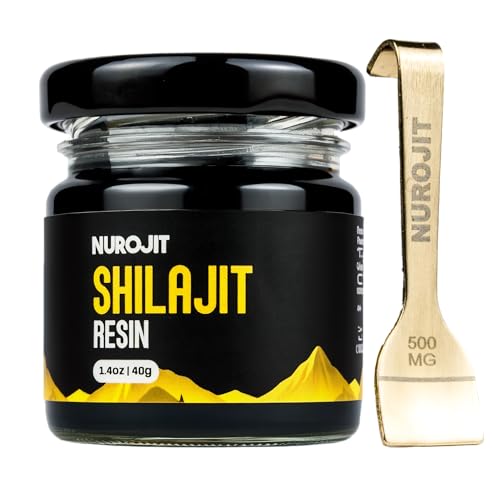

In populations where dietary mineral intake is low, supplementing these cofactors can improve metabolic function — but this is a nutrient-deficiency story, not a pharmacological one. Whether the trace mineral content of shilajit reaches physiologically meaningful levels in typical supplement doses is an open question. The mineral profile also varies substantially between products and geographic sources, making generalization difficult.
Purity, Sourcing, and Safety Considerations
Any discussion of shilajit for health purposes must address purity. Raw or low-quality shilajit can carry heavy metals — including lead, arsenic, and mercury — at concentrations that present genuine health risks, particularly with long-term use. People with kidney disease or those taking medications that affect mineral handling face elevated risk. Pregnant women and children should avoid shilajit until safety data in those populations exist.
For people with diabetes who are taking glucose-lowering medications, there is a theoretical concern that combining shilajit with those drugs could alter their effect, though no documented interaction studies exist. This uncertainty alone is reason to consult a physician or pharmacist before adding shilajit to any regimen that includes diabetes management. Look for products that have been independently tested by a third-party laboratory for heavy metals and verified for fulvic acid content.
🛒 Where to Buy Shilajit
- Pürblack Live ResinLab-tested / studied
resin, ~300-500 mg/day — Premium purified resin, third-party heavy-metal tested; widely regarded as a reference-quality resin. - Nootropics Depot PrimaVie ShilajitClinically studied
capsules, 250 mg — PrimaVie, the standardised shilajit extract used in published human trials. - Zazzee Shilajit 40:1 Extract
capsules, 40:1 extract — Standardised to 50% fulvic acid. - Swanson Shilajit Extract
capsules, 400 mg, 60 count — Budget option from a long-established supplement brand.
As an Amazon Associate we earn from qualifying purchases. Shilajit quality varies widely — always choose a product with a published third-party heavy-metal test (COA) before buying.
A Note on the Evidence
The evidence on shilajit and blood sugar is early-stage, consisting mainly of animal data and one human combination-supplement trial; it does not support using shilajit as a treatment for diabetes or prediabetes. Anyone managing blood sugar with medication, or with kidney disease, pregnancy, or other health conditions, should consult a qualified healthcare provider before using shilajit, and should only use products independently verified for heavy metal safety.
Frequently Asked Questions
Can shilajit lower blood sugar?
There is no controlled human evidence showing that shilajit alone lowers blood glucose. A combination supplement including shilajit was studied in adults with metabolic syndrome risk factors, but the multi-ingredient design makes it impossible to credit shilajit specifically [2]. Do not use shilajit as a substitute for prescribed diabetes treatment.

Is there any research on shilajit and insulin resistance?
An animal study found that shilajit modulated resistin and adiponectin — proteins closely linked to insulin sensitivity — in rats with fatty liver disease, suggesting a possible pathway of influence [1]. However, animal findings require human validation before they can inform health decisions, and that validation has not yet been published for shilajit alone.
What is the proposed mechanism by which shilajit might affect blood sugar?
Researchers point to fulvic acid’s potential to support mitochondrial function, dibenzo-alpha-pyrones that may enhance cellular energy production from glucose, and trace minerals like chromium and zinc that serve as insulin-signaling cofactors. These are plausible pathways, but laboratory plausibility does not confirm clinical benefit in humans.
Is shilajit safe to take if I have diabetes?
People with diabetes who take glucose-lowering medications should consult their physician before trying shilajit. No interaction studies exist, and there is a theoretical possibility that combining shilajit with diabetes drugs could affect glycemic control unpredictably. Additionally, heavy metal contamination in low-quality products is a documented concern.
Did the 2025 human trial show shilajit improves blood sugar?
The 2025 randomized trial tested a combination of chromium, Phyllanthus emblica, and shilajit in people with metabolic syndrome risk factors who were also starting diet and exercise [2]. Because all three ingredients were given together alongside lifestyle changes, no conclusion about shilajit’s individual effect on blood sugar markers can be drawn from this study.
How does shilajit compare to other natural supplements for blood sugar?
Berberine and chromium picolinate have more extensive human clinical trial data specifically for glucose metabolism than shilajit does. Shilajit’s evidence base for blood sugar effects is currently much thinner and earlier-stage. Comparing them is premature until shilajit-only human trials on glucose outcomes are published.
References
- Ghezelbash B et al. Protective Roles of Shilajit in Modulating Resistin, Adiponectin, and Cytokines in Rats with Non-alcoholic Fatty Liver Disease. Chinese journal of integrative medicine (2022). PMID 35258780
- Martinez V et al. Effects of 12 Weeks of Chromium, Phyllanthus emblica Fruit Extract, and Shilajit Supplementation on Markers of Cardiometabolic Health, Fitness, and Weight Loss in Men and Women with Risk Factors to Metabolic Syndrome Initiating an Exercise and Diet Intervention: A Randomized Double-Blind, Placebo-Controlled Trial. Nutrients (2025). PMID 40573153
These statements have not been evaluated by the Food and Drug Administration. This information is not intended to diagnose, treat, cure, or prevent any disease. Content is for informational purposes only and is not medical advice; consult a qualified healthcare provider before starting any supplement. As an Amazon Associate we earn from qualifying purchases.
