Bone health is shaped by a continuous balance between bone formation and resorption, a process that shifts with age, hormonal changes, and nutritional status. Shilajit — a resinous substance that seeps from high-altitude rock formations, composed largely of fulvic acid, humic acids, dibenzo-alpha-pyrones, and a broad spectrum of trace minerals — has attracted research attention as a potential adjunct to conventional bone-support strategies. The interest is not entirely new: Ayurvedic medicine has long classified shilajit as a rasayana, or rejuvenating substance, with applications that include musculoskeletal support.
The body of scientific evidence on shilajit and bone specifically is still developing. Most studies are preclinical — conducted in animals or cell cultures — with only a small number of human trials published to date. That context matters when reading any claims about shilajit and bone density. What follows is a plain summary of what the current research actually shows, where the gaps remain, and what a person considering shilajit for bone support should realistically expect.
Key Takeaways
- A randomized controlled trial in postmenopausal women with osteopenia found shilajit extract dose-dependently preserved bone mineral density while reducing oxidative stress and inflammation [1].
- Animal and cell studies suggest shilajit may support osteogenic (bone-forming) cell activity and reduce bone loss, but these findings have not yet been confirmed in large human trials.
- The proposed mechanisms involve fulvic acid as a mineral carrier, anti-inflammatory activity, and antioxidant effects that may protect bone-forming cells.
- Heavy-metal contamination is a real concern: always choose shilajit products with verified third-party testing for arsenic, lead, mercury, and other toxic metals [2].
- The overall evidence base is promising but early — shilajit should be considered a potential adjunct to, not a replacement for, established bone-health strategies such as adequate calcium, vitamin D, weight-bearing exercise, and medical management of osteoporosis.
What Human Research Has Found on Shilajit and Bone Mineral Density
The most clinically relevant study on this topic is a randomized, double-blind, placebo-controlled trial in postmenopausal women diagnosed with osteopenia — a condition of below-normal but not yet osteoporotic bone density. Researchers found that shilajit extract dose-dependently preserved bone mineral density, while also reducing markers of oxidative stress and inflammation compared to placebo [1]. Both of these physiological processes — oxidative damage and chronic low-grade inflammation — are recognized contributors to accelerated bone loss after menopause, so the dual action observed in this trial is mechanistically plausible.
This is a meaningful finding because it involves a population at genuine risk for bone loss and uses a hard endpoint (bone mineral density measurement) rather than surrogate markers alone. However, a single trial, even a well-designed one, is not definitive. The study size, duration, specific shilajit preparation, and dosing all need to be considered, and independent replication would substantially strengthen the case.
Animal Studies on Bone Regeneration and Loss Prevention
Several animal studies extend the human trial findings into different bone-related scenarios. A 2025 in vivo study in rats with surgically created tibial bone defects found that high-dose shilajit enhanced bone regeneration when combined with a xenograft (donor bone material) scaffold, suggesting a potential role in supporting the biological environment needed for new bone growth [3]. While rat models are not directly translatable to human outcomes, this type of study provides useful mechanistic context.
A separate rat study delivered shilajit loaded into chitosan nanoparticles — a delivery vehicle designed to improve bioavailability — and reported both antioxidant and anti-osteoporotic effects in animals with induced osteoporosis [4]. The researchers observed correlations between shilajit’s antioxidant activity and its ability to attenuate bone loss, reinforcing the hypothesis that oxidative stress is one pathway through which shilajit may influence bone tissue. Again, these are animal findings and should be interpreted with appropriate caution before applying them to human expectations.

Cell-Level Evidence: Stem Cells and Bone Formation
At the cellular level, research has examined whether shilajit can influence the behavior of cells involved in building bone. One study found that shilajit accelerated the osteogenic — bone-forming — differentiation of adipose-derived mesenchymal stem cells (ASCs), which are precursor cells capable of developing into bone-producing osteoblasts [5]. In practical terms, this suggests shilajit may support the upstream cellular processes involved in new bone matrix formation, though the jump from cell culture to clinical relevance involves many additional steps.
Researchers have also analyzed the specific chemical constituents of shilajit and used molecular docking simulations to identify which compounds may interact with proteins involved in osteoporosis pathways [6]. This type of computational work is exploratory but helps identify plausible molecular targets — useful for guiding future experimental designs rather than confirming a clinical benefit.
Proposed Mechanisms: How Shilajit Might Support Bone
The leading proposed mechanisms fall into a few categories. First, shilajit’s high fulvic acid content is thought to act as a mineral carrier and bioavailability enhancer — fulvic acid forms complexes with metal ions that may improve their absorption and transport into cells, including the calcium, magnesium, and phosphate ions that are directly incorporated into bone mineral (hydroxyapatite).
Second, shilajit demonstrates anti-inflammatory activity that has been documented since early research on the compound [7]. Chronic inflammation upregulates osteoclast activity (bone resorption) and suppresses osteoblast function (bone formation), so compounds that dampen inflammatory signaling may indirectly support bone balance. Third, the antioxidant properties of shilajit — particularly attributable to fulvic acid and dibenzo-alpha-pyrones — may reduce the oxidative burden on osteoblasts and bone-marrow stem cells, helping maintain their function over time. The human trial data showing parallel reductions in oxidative stress markers alongside preserved bone density is consistent with this model [1].
Shilajit in the Context of Osteosarcoma Research
One study examined shilajit not as a primary bone treatment but in the context of cancer pharmacology: it explored whether shilajit could enhance the effectiveness of chemotherapy drugs in rats with osteosarcoma (a bone cancer) while reducing treatment-related organ damage [8]. This is a very different research context from bone density or osteoporosis prevention, and the findings should not be interpreted as evidence that shilajit treats bone cancer. It does, however, reflect the breadth of biological activity associated with the compound and its interaction with cellular stress pathways.
Purity, Heavy Metals, and Who Should Be Cautious
Any honest discussion of shilajit must address a genuine safety concern: contamination. Because shilajit is a geological exudate collected from rock formations, it naturally accumulates minerals from its environment — including potentially harmful heavy metals such as lead, arsenic, and mercury. Analytical studies have detected both nutritional and toxic metals in commercially available shilajit products [2]. The presence and concentration of these metals varies significantly by source, processing method, and product quality.
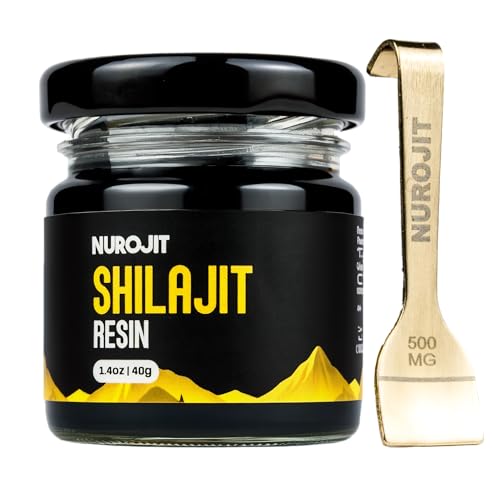
This means that the quality of the shilajit product matters enormously. Purified, standardized extracts used in clinical research are not equivalent to unprocessed raw shilajit or poorly regulated commercial products. Anyone considering shilajit supplementation should look for products that provide third-party heavy-metal testing and adhere to established safety limits. People with kidney disease, pregnant women, and those on medications that affect mineral metabolism should consult a healthcare provider before use, as heavy-metal accumulation risk is higher in these groups.
🛒 Where to Buy Shilajit
- Pürblack Live ResinLab-tested / studied
resin, ~300-500 mg/day — Premium purified resin, third-party heavy-metal tested; widely regarded as a reference-quality resin. - Nootropics Depot PrimaVie ShilajitClinically studied
capsules, 250 mg — PrimaVie, the standardised shilajit extract used in published human trials. - Zazzee Shilajit 40:1 Extract
capsules, 40:1 extract — Standardised to 50% fulvic acid. - Swanson Shilajit Extract
capsules, 400 mg, 60 count — Budget option from a long-established supplement brand.
As an Amazon Associate we earn from qualifying purchases. Shilajit quality varies widely — always choose a product with a published third-party heavy-metal test (COA) before buying.
A Note on the Evidence
The evidence on shilajit and bone health is still early: most studies are small, conducted in animals or cell cultures, and the single human RCT available requires independent replication. Shilajit products vary significantly in purity, and heavy-metal contamination is a documented real-world concern [2]; only use products with verified third-party testing. This article is for informational purposes only and is not a substitute for medical advice — consult a qualified healthcare provider before adding shilajit to any bone-health regimen, especially if you have kidney disease, are pregnant, or take medications.
Frequently Asked Questions
Does shilajit actually improve bone density in humans?
One randomized, double-blind, placebo-controlled trial found that shilajit extract dose-dependently preserved bone mineral density in postmenopausal women with osteopenia compared to placebo [1]. This is encouraging, but a single trial is not enough to draw definitive conclusions, and the finding needs replication in larger and more diverse populations.

How is shilajit thought to support bone health?
The leading proposed mechanisms include fulvic acid acting as a bioavailability enhancer for bone-building minerals, anti-inflammatory effects that may reduce osteoclast-driven bone resorption [7], and antioxidant activity that may protect osteoblasts and stem cells from oxidative damage [4]. These mechanisms are plausible but have not all been confirmed in controlled human studies.
Is shilajit useful for bone regeneration after injury?
A 2025 animal study found that high-dose shilajit enhanced bone regeneration in rats with tibial defects when combined with a xenograft scaffold [3], and cell research has shown shilajit accelerates osteogenic differentiation of stem cells [5]. Whether these effects translate to meaningful clinical benefits is still thinly evidenced, though one randomized, double-blinded, placebo-controlled trial in 160 tibia fracture patients did report faster bone union on 1000 mg of momiai (shilajit) daily for 28 days, 129 days versus 153 days on placebo [9].
Are there heavy metals in shilajit supplements?
Yes, this is a genuine concern. Analytical testing of commercially available shilajit products has detected both nutritional and potentially toxic metals, including lead and arsenic, with levels varying by source and processing [2]. Always choose products with independent, third-party heavy-metal testing and certificates of analysis.
Who should avoid shilajit or be especially careful?
People with kidney disease, those who are pregnant or breastfeeding, and individuals on medications that affect mineral metabolism or kidney function should consult a physician before using shilajit. The risk of heavy-metal accumulation is elevated in these groups. Raw or unprocessed shilajit carries higher contamination risk than purified extracts.
Can shilajit replace standard osteoporosis treatments?
No. Shilajit should not replace prescribed medications, adequate calcium and vitamin D intake, or physician-supervised management of osteoporosis. The available evidence is preliminary, and no regulatory body has approved shilajit as a treatment for osteoporosis. It may be considered as an adjunct after discussion with a healthcare provider, but it is not a substitute for proven interventions.
References
- Pingali U et al. Shilajit extract reduces oxidative stress, inflammation, and bone loss to dose-dependently preserve bone mineral density in postmenopausal women with osteopenia: A randomized, double-blind, placebo-controlled trial. Phytomedicine : international journal of phytotherapy and phytopharmacology (2022). PMID 35933897
- Aldakheel RK et al. Rapid Determination and Quantification of Nutritional and Poisonous Metals in Vastly Consumed Ayurvedic Herbal Medicine (Rejuvenator Shilajit) by Humans Using Three Advanced Analytical Techniques. Biological trace element research (2022). PMID 34800280
- Guler R et al. High-Dose Shilajit Enhances Xenograft-Mediated Bone Regeneration in a Rat Tibial Defect Model: An In Vivo Experimental Study. Life (Basel, Switzerland) (2025). PMID 41157202
- Alshubaily FA et al. Correlation between Antioxidant and Anti-Osteoporotic Activities of Shilajit Loaded into Chitosan Nanoparticles and Their Effects on Osteoporosis in Rats. Polymers (2022). PMID 36235920
- Kangari P et al. Accelerating effect of Shilajit on osteogenic property of adipose-derived mesenchymal stem cells (ASCs). Journal of orthopaedic surgery and research (2022). PMID 36153551
- Aziz S et al. Efficient separation of chemical constituents from shilajit by an inner-recycling counter-current chromatography and their molecular docking analysis for osteoporosis. Journal of pharmaceutical and biomedical analysis (2026). PMID 41297104
- Goel RK et al. Antiulcerogenic and antiinflammatory studies with shilajit. Journal of ethnopharmacology (1990). PMID 2345464
- Jambi EJ et al. Shilajit potentiates the effect of chemotherapeutic drugs and mitigates metastasis induced liver and kidney damages in osteosarcoma rats. Saudi journal of biological sciences (2022). PMID 35957703
- Sadeghi SMH et al. Efficacy of Momiai in Tibia Fracture Repair: A Randomized Double-Blinded Placebo-Controlled Clinical Trial. Journal of alternative and complementary medicine (2020). PMID 32310691
These statements have not been evaluated by the Food and Drug Administration. This information is not intended to diagnose, treat, cure, or prevent any disease. Content is for informational purposes only and is not medical advice; consult a qualified healthcare provider before starting any supplement. As an Amazon Associate we earn from qualifying purchases.
