Walk into any health food store or open any supplement website and you’ll find shilajit alongside protein powders, vitamins, and herbal extracts. But shilajit is an unusual substance — a tar-like resin harvested from high-altitude rock formations in the Himalayas, Altai, and other mountain ranges — and its regulatory status is more complicated than a standard vitamin or mineral. Whether it counts as a supplement, a drug, or something else entirely depends heavily on where you live and what claims are made about it.
Understanding how shilajit is regulated matters for practical reasons. Regulatory classification determines how rigorously a product must be tested before it reaches shelves, what health claims manufacturers can legally make, and what recourse you have if a product is contaminated or mislabeled. Because the regulatory status of shilajit is set by statute and agency rulemaking rather than by clinical trials, the sources cited below are the primary regulatory texts themselves, alongside independent product testing.
Key Takeaways
- In the United States, shilajit is classified as a dietary supplement under DSHEA, meaning it does not require pre-market safety or efficacy review by the FDA.
- Regulatory standards vary significantly by country — EU novel food rules, Canada’s NPN system, and Australia’s TGA framework all impose different requirements than the US.
- India formally recognizes shilajit as a classical Ayurvedic ingredient with pharmacopoeial standards, though enforcement varies for export-oriented products.
- Supplement classification does not mean a product is safe or accurately labeled — independent third-party COA testing is the most reliable quality signal available to consumers.
- Any shilajit product marketed as a treatment for a disease crosses the line from supplement to unapproved drug under US law, regardless of how it is labeled.
What Is Shilajit, Exactly?
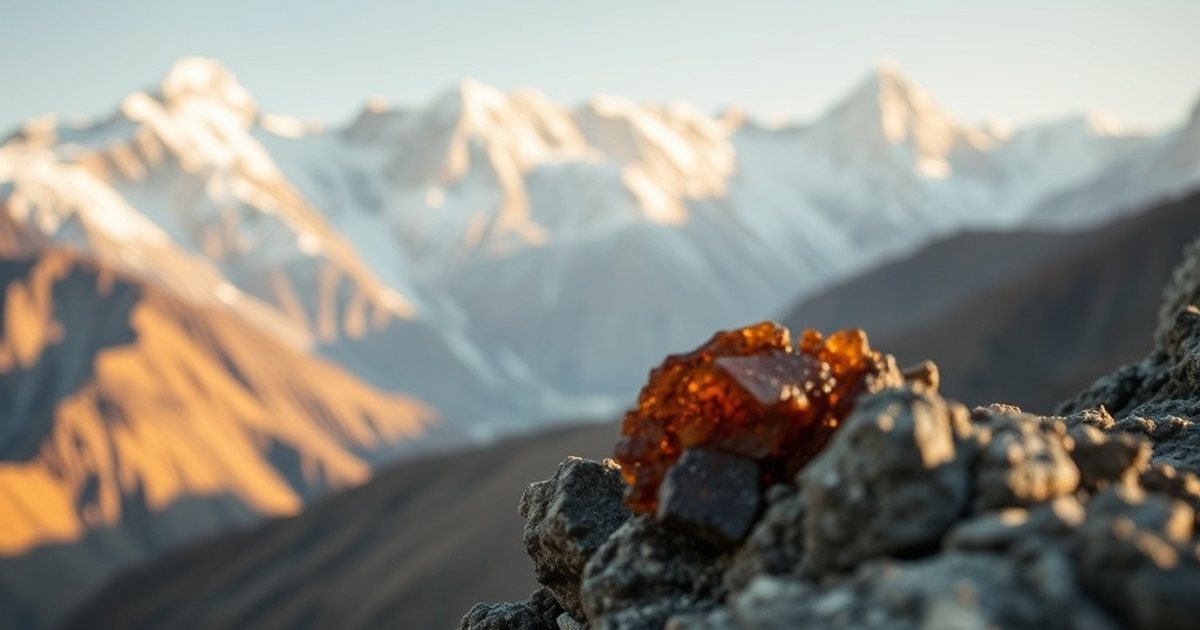
Shilajit is a complex organic-mineral substance that oozes from rock crevices in mountainous regions, particularly during warmer months. It forms over centuries through the compression and microbial transformation of plant matter. Its primary bioactive components are fulvic and humic acids, dibenzo-alpha-pyrones (DBPs), and a range of trace minerals including iron, zinc, magnesium, and copper. Fulvic acid in particular is thought to act as a carrier molecule that may enhance the absorption of minerals and other nutrients across cell membranes.
Raw shilajit can contain significant amounts of heavy metals, mycotoxins, and other contaminants — a fact that makes processing and testing critical. Purified shilajit products sold commercially are typically processed to reduce these risks, but the quality and rigor of that processing varies widely between manufacturers. This variability is one of the central challenges that regulators face when classifying and overseeing the product.
Shilajit in the United States: A Dietary Supplement Under DSHEA
In the United States, shilajit is classified as a dietary supplement under the Dietary Supplement Health and Education Act of 1994 (DSHEA). This is the same framework that governs vitamins, minerals, botanicals, and amino acids. Under DSHEA, manufacturers do not need to prove a product is safe or effective before bringing it to market. Instead, the burden falls on the Food and Drug Administration (FDA) to demonstrate that a product is unsafe after it is already in commerce.[1]
This means that a company can begin selling shilajit resin or capsules without submitting any pre-market safety data to the FDA. Manufacturers are required to follow Current Good Manufacturing Practices (CGMPs) — quality control rules covering testing, labeling, and facility standards[2] — but enforcement is inconsistent, and independent testing has repeatedly found that supplement labels do not always reflect what is actually in the product.
One important limitation of dietary supplement status: manufacturers may not claim their product treats, cures, or prevents any disease. Shilajit can be marketed with structure/function claims — statements like ‘supports energy levels’ or ‘supports healthy testosterone levels’ — as long as these are accompanied by the standard disclaimer that the FDA has not evaluated the claim and the product is not intended to diagnose, treat, cure, or prevent any disease.[3]

Shilajit in Europe: A More Restrictive Landscape
The European Union takes a more precautionary approach to novel and traditional ingredients. Under EU food law, substances that were not in significant use as food or food supplements before May 1997 may require authorization as a ‘novel food’ before they can be sold.[4] Shilajit has faced scrutiny under this framework, and its status has varied by member state.
In the EU, health claims on supplements are tightly governed by the European Food Safety Authority (EFSA). To make a health claim, a manufacturer must submit a dossier of scientific evidence demonstrating the claim is substantiated.[5] Generic claims like ‘boosts energy’ are not permitted unless backed by an approved claim in the EU Register of authorized health claims[6]. As of the time of writing, shilajit does not appear on EFSA’s list of approved health claims, meaning EU-market products must be labeled with extreme care.
Some EU countries have allowed shilajit-containing products to be sold under existing botanical supplement frameworks, while others have required novel food authorization. Consumers in Europe should check whether a specific product has been evaluated by their national food safety authority before purchasing.
Shilajit in India: A Traditional Medicine with Formal Recognition
India occupies a unique position in shilajit regulation because shilajit — known as ‘Shilajatu’ in Sanskrit — has been used in Ayurvedic medicine for over a thousand years. The Ministry of AYUSH (Ayurveda, Yoga and Naturopathy, Unani, Siddha, and Homeopathy) governs traditional medicine in India, and shilajit is recognized as a classical Ayurvedic ingredient with established processing methods described in ancient texts like the Charaka Samhita.
Under Indian regulations, shilajit products intended for Ayurvedic use are subject to standards set by the Pharmacopoeial Laboratory for Indian Medicine (PLIM) and the Ayurvedic Pharmacopoeia of India. These standards specify acceptable heavy metal limits, moisture content, and processing requirements. However, enforcement and third-party verification vary, and export-oriented products destined for Western markets may or may not be produced to these same standards.
When Does Shilajit Become a Drug?
The line between a supplement and a drug is defined by the claims made about the product, not necessarily the substance itself. In the US, if a company markets shilajit as a treatment for low testosterone, chronic fatigue syndrome, or any named disease, that product is being sold as an unapproved drug regardless of its supplement label. The FDA can and does issue warning letters to companies making disease claims on supplement products.
Some countries apply a different standard: if a substance is pharmacologically active and evidence supports a therapeutic effect, regulators may require it to go through a drug approval pathway rather than a simpler supplement notification. This is more common in countries with stricter regulatory frameworks, such as Canada (which uses the Natural Health Products framework under Health Canada) and Australia (which uses the Therapeutic Goods Administration, or TGA).
In Canada, shilajit-containing products may require a Natural Product Number (NPN) from Health Canada before being sold.[7] In Australia, the TGA classifies products into Listed (lower-risk, self-assessed) and Registered (higher-risk, assessed for efficacy) medicines. Most shilajit products in Australia would fall under the Listed medicines category, meaning the manufacturer self-certifies ingredient safety and quality without pre-market efficacy review.
What Regulation Does and Doesn't Protect You From
It is tempting to assume that a product sold legally on a store shelf has been vetted for safety and purity. For shilajit, this assumption is not warranted in the United States. The DSHEA framework means pre-market safety testing is not required, and independent testing by ConsumerLab found that while heavy metals in shilajit supplements were generally low, some products would exceed strict limits on lead if taken more than once per day.[8]
The regulatory floor, then, is relatively low in major Western markets. This places the burden on the manufacturer to go above and beyond legal minimums, and on the consumer to evaluate brands carefully. When purchasing shilajit, look for products that provide certificates of analysis (COAs) from accredited third-party laboratories, testing specifically for heavy metals, microbial contamination, and fulvic acid concentration. NSF International, USP, and Informed Sport certification are markers of independent quality verification, though not all shilajit brands pursue these.
Regulation also does not protect you from misleading marketing. Legal claims like ‘supports energy’ or ‘promotes healthy aging’ are not promises backed by regulatory review — they are structure/function claims the manufacturer is permitted to make as long as they include the required disclaimer. The science behind shilajit is genuinely interesting and early-stage, but it does not support the sweeping claims often made in product marketing.
🛒 Where to Buy Shilajit
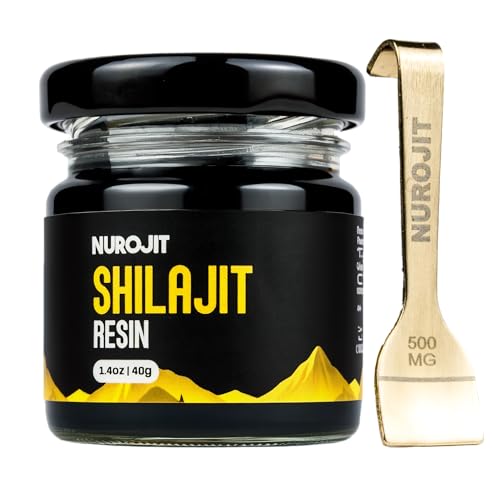
- Pürblack Live ResinLab-tested / studied
resin, ~300-500 mg/day — Premium purified resin, third-party heavy-metal tested; widely regarded as a reference-quality resin. - Nootropics Depot PrimaVie ShilajitClinically studied
capsules, 250 mg — PrimaVie, the standardised shilajit extract used in published human trials. - Zazzee Shilajit 40:1 Extract
capsules, 40:1 extract — Standardised to 50% fulvic acid. - Swanson Shilajit Extract
capsules, 400 mg, 60 count — Budget option from a long-established supplement brand.
As an Amazon Associate we earn from qualifying purchases. Shilajit quality varies widely — always choose a product with a published third-party heavy-metal test (COA) before buying.
A Note on the Evidence
The research on shilajit’s effects is early-stage, with most human trials involving small sample sizes and short durations — no strong conclusions about long-term safety or efficacy can yet be drawn. Heavy metal contamination is a documented risk with low-quality products; always verify third-party testing before use, and consult a qualified healthcare provider before starting any new supplement, particularly if you are pregnant, have a chronic health condition, or take prescription medications.

Frequently Asked Questions
Is shilajit FDA approved?
No. Shilajit is not FDA approved as a drug. It is sold in the United States as a dietary supplement under DSHEA, which means the FDA does not evaluate or approve it before it reaches store shelves. Manufacturers must follow Good Manufacturing Practices, but no pre-market safety or efficacy review is required.
Can shilajit manufacturers make health claims?
In the US, manufacturers can make structure/function claims — general statements like ‘supports energy metabolism’ — but cannot claim shilajit treats, cures, or prevents any disease. Disease claims would legally reclassify the product as an unapproved drug. In the EU, health claims must be substantiated and approved by EFSA, a much higher bar.
Why does the regulatory status of shilajit matter for quality?
Because supplement classification in the US does not require pre-market safety testing, product quality depends almost entirely on manufacturer diligence. Independent testing has found that some commercial shilajit products contain heavy metals above safe limits. Looking for products with third-party certificates of analysis from accredited labs is the most practical way to evaluate quality.
Is shilajit legal to sell in Europe?
It depends on the country and how the product is formulated and marketed. Some EU member states treat shilajit as a novel food requiring authorization before sale; others have allowed it under existing botanical frameworks. Consumers in Europe should verify that a specific product is lawfully sold in their country before purchasing.
What is the difference between shilajit as a supplement and as a drug?
The distinction is primarily about claims and regulatory pathway, not the substance itself. A shilajit product sold to ‘support energy levels’ is a supplement. The same product marketed as a ‘treatment for chronic fatigue syndrome’ would be considered an unapproved drug under US law. Some countries, like Canada and Australia, require formal registration even for supplement-type health claims.
Is shilajit safe to take?
Purity is the central safety concern. Raw or poorly processed shilajit can contain heavy metals and other contaminants. Purified products from reputable manufacturers with third-party testing are considerably lower risk. Individuals who are pregnant, breastfeeding, have kidney disease, or take medications that interact with minerals should consult a healthcare provider before using shilajit.
References
- Dietary Supplements. U.S. Food and Drug Administration. FDA: Dietary Supplements
- 21 CFR Part 111 — Current Good Manufacturing Practice in Manufacturing, Packaging, Labeling, or Holding Operations for Dietary Supplements. Electronic Code of Federal Regulations. eCFR 21 CFR Part 111
- 21 CFR 101.93 — Certain types of statements for dietary supplements. Electronic Code of Federal Regulations. eCFR 21 CFR 101.93
- Regulation (EU) 2015/2283 on novel foods. Official Journal of the European Union (2015). EUR-Lex 32015R2283
- Regulation (EC) No 1924/2006 on nutrition and health claims made on foods. Official Journal of the European Union (2006). EUR-Lex 32006R1924
- EU Register of nutrition and health claims made on foods. European Commission. EU health claims register
- Natural Health Products Regulations (SOR/2003-196). Justice Laws Website, Government of Canada. SOR/2003-196
- Shilajit Supplements Review (Resins and Extracts). ConsumerLab.com (2024). ConsumerLab shilajit review
These statements have not been evaluated by the Food and Drug Administration. This information is not intended to diagnose, treat, cure, or prevent any disease. Content is for informational purposes only and is not medical advice; consult a qualified healthcare provider before starting any supplement. As an Amazon Associate we earn from qualifying purchases.
