Shilajit prices range from budget to premium for what appears to be the same product. That gap raises a reasonable question: are you paying for quality, or just for marketing? The honest answer is that price alone tells you almost nothing — but what sits behind the price often tells you quite a lot.
The core issue with shilajit is not potency claims or exotic sourcing stories. It is contamination. Shilajit is a mineral-rich exudate that seeps from rock layers, and those same geological conditions that concentrate beneficial compounds also concentrate heavy metals, including lead, arsenic, and mercury. A cheap product that skips rigorous testing is not a bargain — it may be a liability. This article walks through what separates a well-made product from a poorly made one, and where spending more actually matters.
Key Takeaways
- Heavy metal contamination is the primary safety concern with shilajit, and adequate third-party testing is the main thing a higher price should buy you.
- A batch-specific certificate of analysis from an ISO-accredited lab — showing numeric heavy metal results — is the single most important document to request before purchasing.
- Standardized fulvic acid content (typically listed as a percentage) is a basic quality marker; products without it make no guarantee about active compound concentration.
- Price is an imperfect proxy for quality: there is a rough floor below which responsible manufacturing is unlikely, but premium pricing does not guarantee rigorous testing.
- Resin forms are generally easier to evaluate for authenticity than capsules or tablets, which can conceal dilution or low-grade material.
What Shilajit Actually Is (and Why Sourcing Matters)
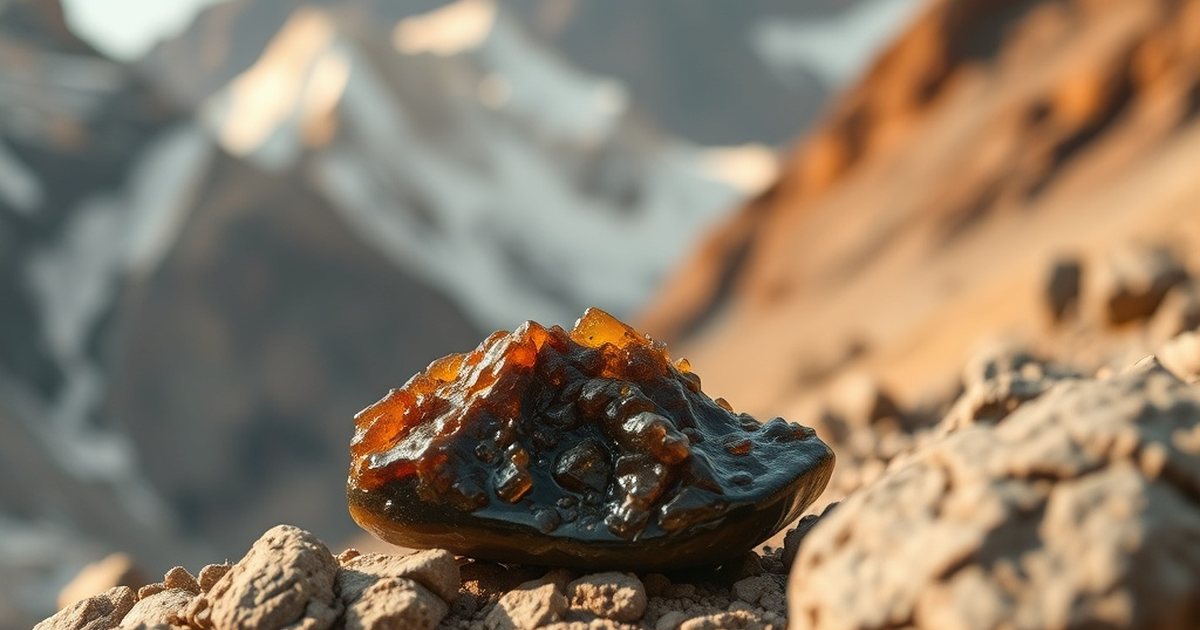
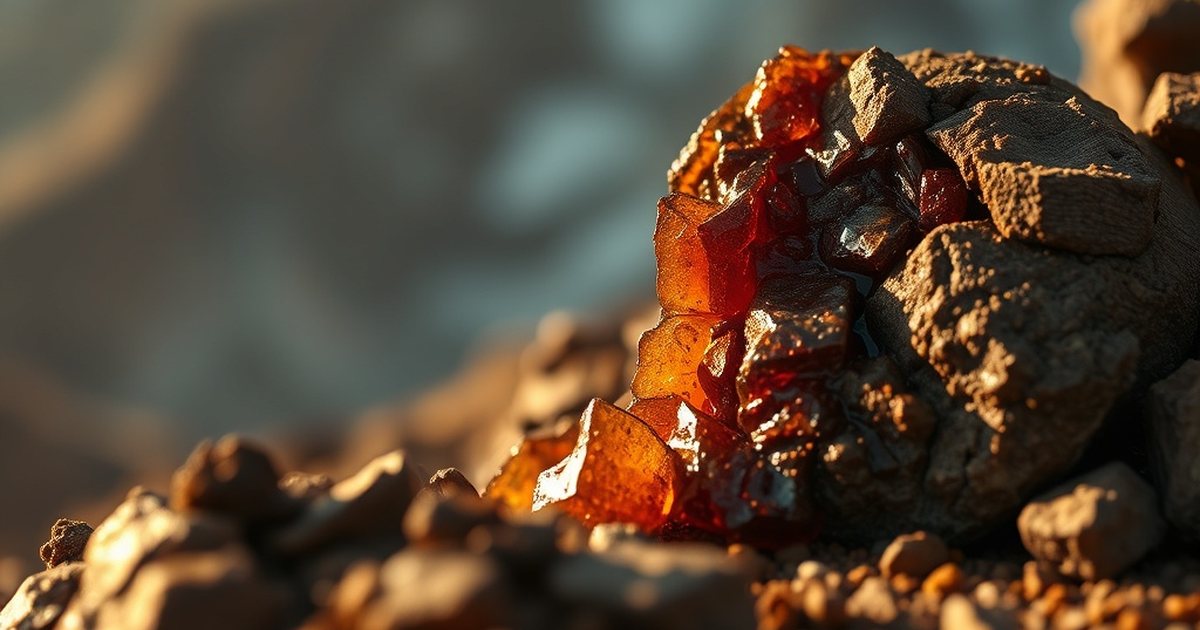
Shilajit is a blackish-brown resinous substance that exudes from compressed rock layers in high-altitude mountain ranges, most notably the Himalayas, Altai, Caucasus, and Tibetan plateau. It forms over centuries from the slow decomposition of plant and microbial matter under geological pressure. The result is a complex matrix of fulvic acid, humic acid, dibenzo-alpha-pyrones (DBPs), and dozens of trace minerals.
Where shilajit is collected matters because rock chemistry varies significantly by region and altitude. Some deposits sit near industrial runoff or mineral veins high in heavy metals. Others come from more isolated, geologically stable formations. A supplier who can identify the exact collection altitude and region, and who tests each batch at that source, is operating at a fundamentally different standard than one who buys undifferentiated bulk resin from a commodity broker.
Raw shilajit collected directly from rock faces also contains biological contaminants — fungal spores, bacteria, and organic debris — that require purification before the material is safe for consumption. The processing step, not the raw sourcing alone, is where most of the quality difference between products is actually created.
The Active Compounds: Fulvic Acid, Humic Acid, and DBPs
The proposed mechanisms behind shilajit’s effects center on three compound classes. Fulvic acid is a low-molecular-weight organic acid thought to act as a carrier molecule, potentially improving the absorption of minerals and other nutrients across cell membranes. Humic acids are larger polymeric structures with antioxidant properties. Dibenzo-alpha-pyrones are oxygen-heterocyclic compounds that have attracted interest for their potential role in mitochondrial energy metabolism, specifically in supporting the electron transport chain.
A product marketed as shilajit but lacking meaningful concentrations of these compounds is not really shilajit in any functional sense. Yet most products list no quantified fulvic acid percentage on the label, let alone DBP content. A well-made product will standardize to a minimum fulvic acid percentage — commonly 50% to 60% in purified resin form — and should be able to produce third-party certificates of analysis confirming that figure.
It is worth being direct about the research landscape here: most clinical studies on shilajit use small sample sizes, short durations, and industry funding. The mechanistic rationale is plausible and the compounds are real, but the human evidence base is early. Paying a premium for shilajit based solely on health outcome promises is not well-supported. Paying a premium for verified composition and heavy-metal safety is a different and more defensible calculation.

Heavy Metal Contamination: The Central Safety Issue
This is the most important section of this article. Heavy metal findings in shilajit are real, but they are product-specific and the published results do not all point the same way. Independent testing by ConsumerLab reported that lead, arsenic, cadmium and mercury were generally quite low across the shilajit products it reviewed, and that the exceedances it did find were confined to lead, in some products, at more than one serving a day.[1] Published elemental analyses diverge in the same way. One study of shilajit produced in India and Pakistan found lead, arsenic and mercury present above standard permissible limits in the samples tested.[2] A separate analysis of twelve samples from diverse geographical origins reported toxic metals below established toxicity thresholds, and read the rare earth element pattern it measured as natural environmental uptake rather than contamination.[3] That spread is exactly why batch-specific testing matters: contamination is a real risk that varies by source and processing, not a uniform property of shilajit.
The contamination is not random. It reflects the geological reality that mineral-dense formations accumulate both beneficial and harmful elements. It also reflects insufficient purification. Traditional Ayurvedic preparation involved extended water purification processes specifically designed to reduce heavy metal content. Modern commercial shortcuts — spray drying, minimal filtration, high-heat processing — can compromise these steps while still producing a product that looks and smells like shilajit.
What to look for: a legitimate supplier should provide a current certificate of analysis (COA) from an ISO-accredited third-party laboratory showing tested results for lead, arsenic, mercury, and cadmium, with values against a reference standard such as USP, EU, or California Prop 65 limits. This COA should be batch-specific, not a generic document. If a company cannot or will not provide this on request, that is a disqualifying signal regardless of price.
What Drives the Price Difference Between Products
Several legitimate cost factors separate expensive products from cheap ones. Third-party heavy metal and microbial testing from accredited labs costs money per batch. Purification processes that use extended water extraction and low-temperature drying are slower and more labor-intensive than spray drying. Smaller, altitude-specific collection operations have higher per-kilogram costs than bulk commodity purchasing.
Brand marketing, celebrity endorsements, and premium packaging also add to cost — but these add zero to product quality. An expensive product in a glass jar with a lifestyle influencer behind it may be no better tested than a cheaper product from a smaller brand that publishes its COAs. The price premium you want to pay for is auditable quality assurance, not aesthetics.
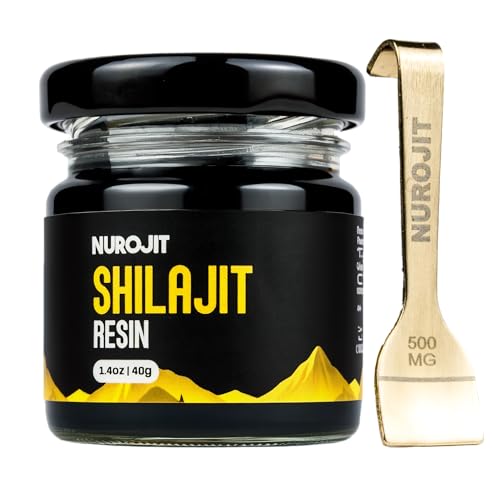
Tablet and capsule forms of shilajit are generally less expensive to manufacture and ship than purified resin, but they are harder to evaluate for authenticity. Resin is more difficult to adulterate convincingly. Some capsule products contain minimal shilajit diluted with fillers, or use low-grade material that would not pass testing in its pure form. If comparing a resin to a capsule product, the resin is easier to verify — though it requires slightly more effort to dose.
How to Evaluate Any Shilajit Product (Regardless of Price)
Start with the certificate of analysis. A COA should show: (1) heavy metals panel with specific numeric results, not just ‘pass’; (2) microbial testing including total plate count, yeast, mold, E. coli, and Salmonella; (3) the testing laboratory name, accreditation, and a batch or lot number matching the product you are considering. If the COA is undated or does not reference a specific batch, ask for one that does.
Second, check whether fulvic acid content is quantified. A standardized fulvic acid percentage is a basic quality marker. Products that list ‘shilajit extract’ without any standardization are making no guarantee about active compound concentration. Third, look at the purification method. Water-purified or solvent-free extraction is preferable to processes involving chemical solvents, which may leave residues.
Finally, consider whether the company responds substantively to direct questions about sourcing and testing. A company confident in its manufacturing process will answer these questions without deflecting to testimonials or vague claims about ‘ancient wisdom.’ Evasiveness is itself informative.
The Honest Bottom Line on Price
Expensive shilajit is not automatically worth it. But cheap shilajit carries specific risks that make it a poor economy. The relevant question is not whether a product is expensive or cheap — it is whether the company behind it has invested in the testing and purification that make shilajit safe to use consistently.
There is a rough price floor below which responsible manufacturing is economically difficult. Products priced at the very bottom of the market for a 30-gram resin tin are unlikely to have funded adequate third-party batch testing. That does not mean everything above that threshold is well-made, but it means the floor matters. Above that floor, COA quality, transparency, and company responsiveness are better guides than price alone.
If you find two products at similar prices and one publishes detailed, batch-specific COAs and the other does not, that difference is more meaningful than any marketing claim either company makes about altitude, tradition, or potency.
🛒 Where to Buy Shilajit
- Pürblack Live ResinLab-tested / studied
resin, ~300-500 mg/day — Premium purified resin, third-party heavy-metal tested; widely regarded as a reference-quality resin. - Nootropics Depot PrimaVie ShilajitClinically studied
capsules, 250 mg — PrimaVie, the standardised shilajit extract used in published human trials. - Zazzee Shilajit 40:1 Extract
capsules, 40:1 extract — Standardised to 50% fulvic acid. - Swanson Shilajit Extract
capsules, 400 mg, 60 count — Budget option from a long-established supplement brand.
As an Amazon Associate we earn from qualifying purchases. Shilajit quality varies widely — always choose a product with a published third-party heavy-metal test (COA) before buying.

A Note on the Evidence
The clinical research on shilajit in humans is preliminary, with most studies involving small samples and short durations; the findings are promising but not conclusive. Shilajit products vary widely in purity and heavy metal content — always request a batch-specific certificate of analysis, and consult a doctor before use if you have kidney disease, are pregnant, or take prescription medications.
Frequently Asked Questions
Can cheap shilajit be dangerous?
Yes, potentially, though the picture is more specific than a blanket warning. Independent testing has found some shilajit products that exceed contamination limits for lead, and a published elemental analysis of Indian and Pakistani material found lead, arsenic and mercury above standard permissible limits — while a separate analysis of samples from a range of origins found toxic metals below established thresholds. That spread is the point: without batch-specific third-party testing results, there is no reliable way to know which kind of product you are holding. Price is not a reliable safety indicator, but very low prices make adequate testing economically unlikely.
What is fulvic acid and why does the percentage matter?
Fulvic acid is a low-molecular-weight organic acid that forms a major component of authentic shilajit. It is proposed to function as a carrier molecule that may support mineral absorption across cell membranes. The percentage matters because it is the most commonly standardized marker for product concentration — a product listing 50% or 60% fulvic acid is making a verifiable claim about composition, whereas a product listing only ‘shilajit extract’ is not.
Is purified resin better than shilajit capsules?
Purified resin is generally easier to evaluate because it is harder to adulterate convincingly and the manufacturing process is more visible. Capsule products can contain diluted material or low-grade shilajit blended with fillers. That said, a capsule product from a company that publishes complete COAs and standardizes its extract can be a legitimate option — the COA matters more than the delivery format.
How should I read a certificate of analysis?
Look for: the name and accreditation of the testing laboratory, a batch or lot number that matches the product, specific numeric results for lead, arsenic, mercury, and cadmium (not just ‘pass/fail’), microbial testing results, and the test date. A COA without a batch number or from an unaccredited lab provides much weaker assurance than one that includes all of these.
Does more expensive shilajit work better for energy or testosterone?
There is no credible evidence that a more expensive product produces stronger physiological effects than a well-manufactured, properly tested product at a lower price. The proposed mechanisms — fulvic acid, dibenzo-alpha-pyrones, trace minerals — depend on compound presence and concentration, not on the price paid. If two products have equivalent verified composition and purity, paying significantly more does not provide a benefit.
Who should be especially careful with shilajit?
People with kidney disease or impaired kidney function should consult a physician before using shilajit, as some of its mineral content may be difficult to clear. Pregnant or breastfeeding individuals should avoid it due to insufficient safety data. Anyone currently taking medications — particularly thyroid medications, blood thinners, or diabetes treatments — should discuss potential interactions with a healthcare provider before starting shilajit.
References
- Shilajit Supplements Review (Resins and Extracts). ConsumerLab.com. ConsumerLab shilajit review
- Aldakheel RK et al. Rapid Determination and Quantification of Nutritional and Poisonous Metals in Vastly Consumed Ayurvedic Herbal Medicine (Rejuvenator Shilajit) by Humans Using Three Advanced Analytical Techniques. Biological trace element research (2022). PMID 34800280
- Kamgar E et al. Characterization of metal composition and molecular weight distribution in Shilajit. Journal of trace elements in medicine and biology (2026). PMID 42364294
These statements have not been evaluated by the Food and Drug Administration. This information is not intended to diagnose, treat, cure, or prevent any disease. Content is for informational purposes only and is not medical advice; consult a qualified healthcare provider before starting any supplement. As an Amazon Associate we earn from qualifying purchases.
