Shilajit is a tar-like resinous substance that seeps from high-altitude rock formations, particularly in the Himalayas and other mountain ranges. Its composition includes fulvic acid, humic acids, dibenzo-alpha-pyrones, and a range of trace minerals — compounds that traditional Ayurvedic and Tibetan medicine have long associated with restorative properties. As shilajit’s popularity grows in the supplement market, questions about kidney safety arise naturally: the kidneys filter everything that enters the bloodstream, and any substance taken regularly deserves scrutiny at the renal level.
The ‘shilajit kidney’ question covers two distinct concerns. First, could shilajit support or protect kidney function? Second, could it contribute to kidney damage, heavy-metal accumulation, or kidney stone formation in susceptible people? This article reviews the available scientific evidence honestly, noting where studies are limited to animal models, where human data remains thin, and where evidence gaps require straightforward acknowledgment.
Key Takeaways
- Animal studies suggest shilajit may protect kidney tissue from drug-induced damage, but human clinical evidence is limited to a small 28-day open-label pilot study.
- No peer-reviewed evidence directly addresses shilajit’s effect on kidney stone formation — claims in either direction lack scientific support.
- Heavy metal contamination in low-quality shilajit products is a genuine, practical kidney risk; third-party tested products are strongly preferred.
- People with kidney disease, a history of kidney stones, or those taking nephrotoxic medications should consult a qualified clinician before using shilajit.
- Most mechanistic evidence on shilajit and the kidneys comes from rat models; extrapolating these findings to human health recommendations requires caution.
What Shilajit Is: Composition and Proposed Mechanisms
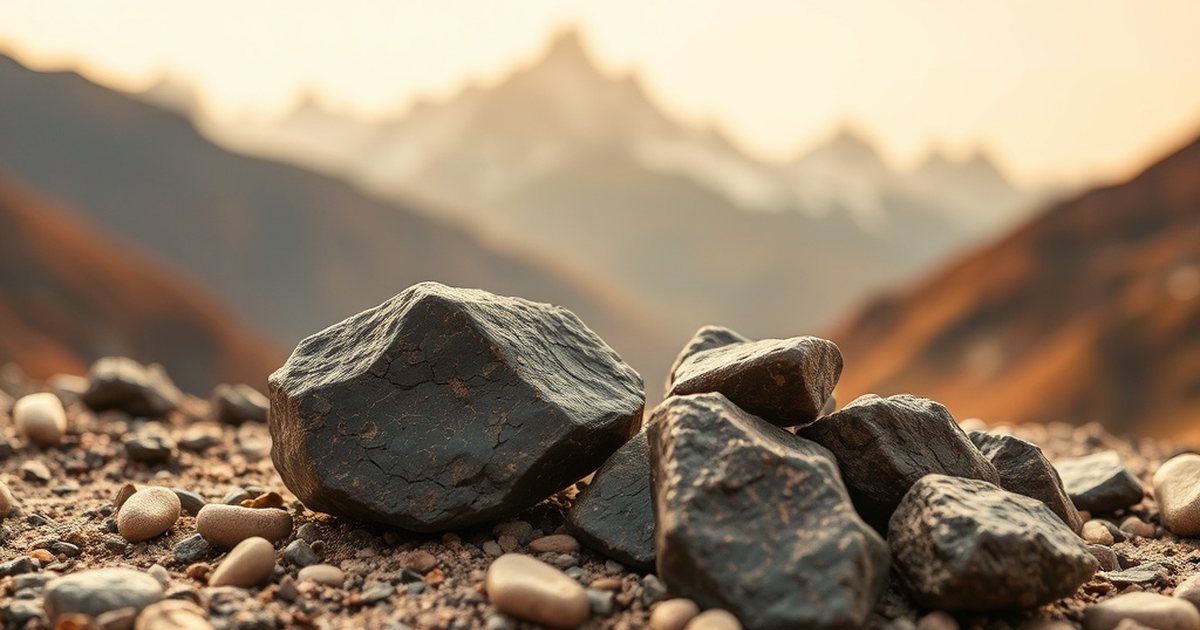
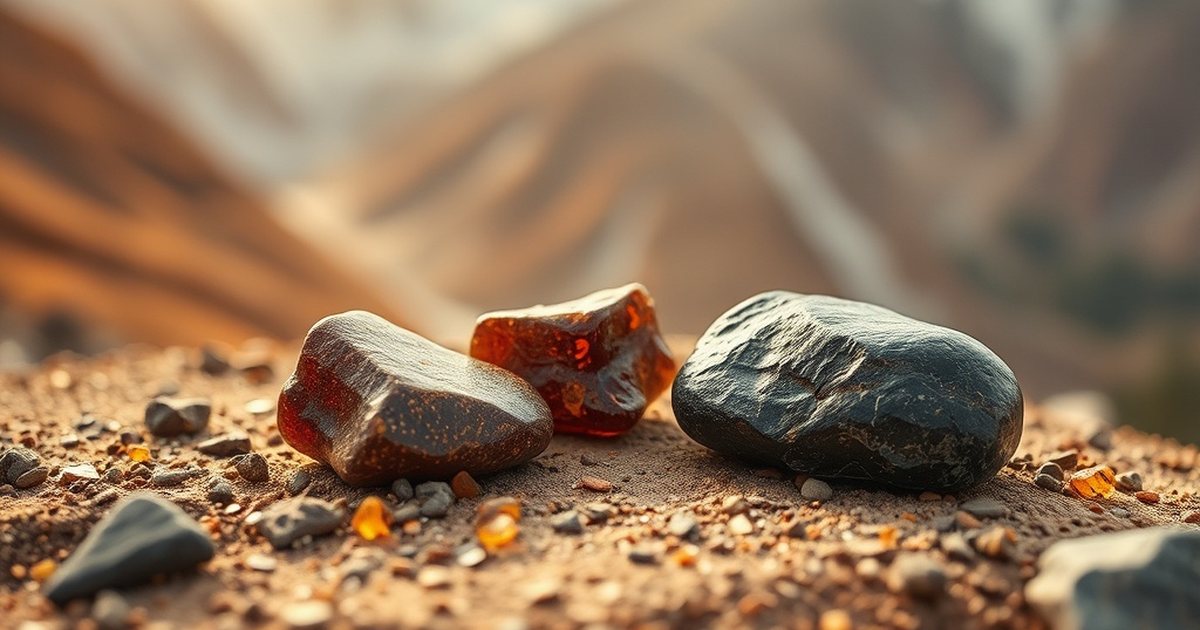
Shilajit forms over centuries as plant matter and microorganisms decompose within high-altitude rock layers, gradually producing a mineral-rich resin that exudes from rock faces under pressure and seasonal temperature changes [1]. This geological origin gives shilajit its distinctive mineral density and high fulvic acid concentration.
Fulvic acid is the most studied active component. It acts as a carrier molecule, potentially improving mineral transport across cell membranes and supporting mitochondrial energy metabolism. Humic acids and dibenzo-alpha-pyrones (DBPs) are also present and may contribute antioxidant activity. These properties underpin most proposed mechanisms for shilajit’s effects on organ health — including, theoretically, the kidneys — but confirming any benefit in humans requires controlled clinical evidence that is still developing.
Animal Evidence: Shilajit and Drug-Induced Kidney Damage
The most directly relevant kidney research to date comes from animal models examining nephrotoxicity — kidney damage triggered by drugs or toxic insults. A 2025 study investigated the molecular and cellular effects of shilajit on kidney injury induced by 5-fluorouracil (5-FU), a chemotherapy agent well-known to cause organ damage in clinical use [2]. In that rat model, shilajit was examined for whether it could reduce kidney-injury markers at the cellular level. Results were examined in the context of oxidative stress and inflammatory pathways, which are central to drug-induced nephrotoxicity.
A separate study in osteosarcoma rats found that shilajit, when combined with chemotherapeutic drugs, helped mitigate metastasis-induced damage to both the liver and kidneys, while also appearing to potentiate the drugs’ anti-tumor effects [3]. The proposed mechanism in that model involves shilajit’s antioxidant components reducing collateral organ stress during aggressive treatment. Both of these studies are preclinical — rat findings do not reliably predict human outcomes — and neither was designed to assess shilajit supplementation in people with ordinary kidney health concerns.

Human Safety Data: Kidney Biomarkers in a Pilot Study
One of the few human studies assessing shilajit’s safety profile is a 28-day open-label pilot study evaluating a standardized shilajit resin preparation in healthy adults, tracking blood biomarkers alongside physical performance outcomes [4]. Blood biomarker panels in such studies typically include creatinine and blood urea nitrogen (BUN), standard markers of kidney filtration function that would flag acute renal stress.
The study design has important limitations: it was open-label with no placebo group, the participant pool was small, and 28 days is too short to detect subtle long-term effects on organ function. Its value lies in establishing initial tolerability data in healthy adults — not in confirming kidney protection or ruling out long-term risk in broader populations. Larger, randomized, controlled trials measuring kidney biomarkers over extended periods are needed before strong renal safety conclusions can be drawn.
Shilajit and Kidney Stones: An Evidence Gap
Despite frequent online discussion linking shilajit to kidney stones — both as a concern and, paradoxically, as a proposed remedy — none of the current peer-reviewed evidence directly addresses kidney stone formation or prevention. Traditional Ayurvedic and Tibetan medicine has historically included shilajit in formulations intended to support urinary tract health [1], but modern clinical data on stone risk or stone prevention does not exist in the published literature reviewed here.
Theoretically, shilajit’s mineral content could be relevant to stone formation in people already predisposed to certain stone types, such as calcium oxalate or struvite stones, but this is speculation rather than established fact. The absence of evidence is not evidence of safety in this specific context. Anyone with a personal or family history of kidney stones should consult a urologist or nephrologist before starting shilajit, since even mineral-rich foods can influence stone recurrence in susceptible individuals.
Purity, Heavy Metals, and Contamination Risk
One of the most legitimate kidney-related concerns with shilajit is not the substance itself but what may be in it. Because shilajit is a geological exudate, it concentrates whatever minerals are present in surrounding rock — including potentially harmful heavy metals such as lead, arsenic, and cadmium. Chronic exposure to heavy metals is a well-established cause of kidney damage, and poorly sourced or inadequately processed shilajit products may carry this risk regardless of shilajit’s own pharmacological properties.
Quality control varies dramatically across shilajit products sold in the supplement market. The human pilot study used a proprietary standardized resin preparation [4], and the animal study administering shilajit chronically used a controlled formulation [5] — neither result extends to unverified consumer products. Selecting a product that has been third-party tested for heavy metals within regulatory limits is the most practical step any prospective user can take to reduce contamination-related renal risk.
Who Should Be Especially Cautious
People with pre-existing kidney disease, reduced glomerular filtration rate, or a documented history of kidney stones should approach shilajit with particular care and consult a healthcare provider before use. The kidneys are responsible for clearing both active compounds and trace contaminants from circulation, and compromised renal function changes how any supplement — including shilajit — is handled by the body.
Pregnant or breastfeeding individuals, people taking nephrotoxic medications (such as NSAIDs, certain antibiotics, or contrast agents), and those on drugs with narrow therapeutic windows should seek specific medical guidance before using shilajit. The limited human evidence base means interactions and contraindications in these populations are not well characterized. The animal data suggesting organ-protective effects in models of drug-induced injury [2][3] does not translate into a safety endorsement for people who already have impaired kidney function.
🛒 Where to Buy Shilajit
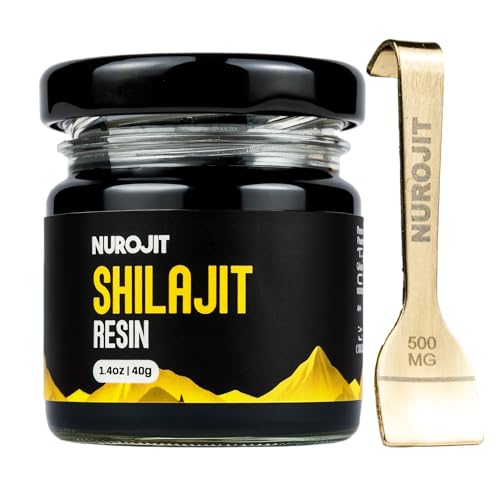
- Pürblack Live ResinLab-tested / studied
resin, ~300-500 mg/day — Premium purified resin, third-party heavy-metal tested; widely regarded as a reference-quality resin. - Nootropics Depot PrimaVie ShilajitClinically studied
capsules, 250 mg — PrimaVie, the standardised shilajit extract used in published human trials. - Zazzee Shilajit 40:1 Extract
capsules, 40:1 extract — Standardised to 50% fulvic acid. - Swanson Shilajit Extract
capsules, 400 mg, 60 count — Budget option from a long-established supplement brand.
As an Amazon Associate we earn from qualifying purchases. Shilajit quality varies widely — always choose a product with a published third-party heavy-metal test (COA) before buying.
A Note on the Evidence
Nearly all kidney-related shilajit research involves animal models or a single small, short-term human pilot study — long-term safety in diverse human populations has not been established. People with kidney disease, reduced kidney function, a history of kidney stones, or those taking medications cleared by the kidneys should consult a qualified healthcare provider before using shilajit. This article is informational only and does not constitute medical advice.
Frequently Asked Questions
Can shilajit damage your kidneys?
There is no clinical evidence that pure, quality-tested shilajit damages kidney function in healthy adults over a short supplementation period [4]. However, contaminated products carrying heavy metals pose a genuine nephrotoxicity risk independent of shilajit’s own properties. Product quality is the most critical variable in this question.

Does shilajit protect the kidneys?
Animal studies suggest it may help reduce kidney damage in specific stress contexts. Research in rats found shilajit reduced markers of nephrotoxicity caused by the chemotherapy drug 5-fluorouracil [2], and a separate study found it mitigated kidney damage in chemotherapy-treated osteosarcoma rats [3]. Whether these protective effects occur in humans has not been demonstrated in clinical trials.
Can shilajit cause or prevent kidney stones?
None of the available peer-reviewed evidence addresses kidney stone formation directly. There is no published clinical data confirming that shilajit either causes or prevents kidney stones. The evidence gap here is real, and people with a history of urinary stones should consult a urologist before adding any new mineral-rich supplement to their routine.
Is shilajit safe for people with kidney disease?
Existing research has been conducted primarily in healthy adults or animal models, not in people with diagnosed kidney disease or reduced kidney function. Because impaired kidneys handle filtration and clearance differently, people with chronic kidney disease should consult a nephrologist before taking shilajit — the evidence base does not cover this population.
What compounds in shilajit are relevant to kidney health?
Fulvic acid, the primary active compound, has antioxidant properties that researchers propose may reduce oxidative stress in kidney tissue. Dibenzo-alpha-pyrones and humic acids also contribute to shilajit’s antioxidant profile [1]. These components form the theoretical basis for the organ-protective effects observed in animal models, though the mechanisms have not been confirmed in human kidney tissue.
How long has shilajit been studied in terms of organ safety?
Chronic administration of shilajit was studied in rat models as far back as 2006 [5], and more recent preclinical research has examined its effects in contexts of drug-induced organ stress [3][2]. A 28-day human pilot study published in 2026 added early human tolerability data for a standardized preparation [4]. The overall evidence base is still early-stage, and long-term human safety data across diverse populations is lacking.
References
- Ding R et al. Mechanisms of generation and exudation of Tibetan medicine Shilajit (Zhaxun). Chinese medicine (2020). PMID 32612671
- Ezer M et al. Investigation of the molecular and cellular effects of Shilajit on 5-fluorouracil (5-FU)-induced nephrotoxicity in rats. Iranian journal of basic medical sciences (2025). PMID 40666183
- Jambi EJ et al. Shilajit potentiates the effect of chemotherapeutic drugs and mitigates metastasis induced liver and kidney damages in osteosarcoma rats. Saudi journal of biological sciences (2022). PMID 35957703
- Yadav D et al. Safety and Efficacy of TruBlk™ Shilajit Resin Supplementation on Physical Performance and Blood Biomarkers in Healthy Adults: A 28-Day Open-Label Pilot Study. Cureus (2026). PMID 41613504
- Park JS et al. The spermatogenic and ovogenic effects of chronically administered Shilajit to rats. Journal of ethnopharmacology (2006). PMID 16698205
These statements have not been evaluated by the Food and Drug Administration. This information is not intended to diagnose, treat, cure, or prevent any disease. Content is for informational purposes only and is not medical advice; consult a qualified healthcare provider before starting any supplement. As an Amazon Associate we earn from qualifying purchases.
