Shilajit — a resinous substance that seeps from Himalayan and Central Asian rock formations over centuries — has been used in Ayurvedic and traditional Central Asian medicine for conditions broadly associated with aging, fatigue, and systemic weakness. One recurring claim in both traditional literature and modern supplement marketing is that shilajit reduces inflammation. The question worth asking is what the actual evidence shows, and how strong that evidence is.
Chronic low-grade inflammation underpins a wide range of conditions, from joint pain and metabolic dysfunction to neurodegeneration. Shilajit contains fulvic and humic acids, dibenzo-alpha-pyrones, and a spectrum of trace minerals — compounds that researchers have proposed may interact with oxidative stress pathways. What follows is an honest summary of what published studies have found, where the gaps remain, and who should be cautious.
Key Takeaways
- Shilajit contains fulvic acid, humic acids, and dibenzo-alpha-pyrones, which are proposed to reduce oxidative stress by neutralizing free radicals and supporting the Nrf-2 antioxidant pathway.
- A randomized controlled trial in postmenopausal women found shilajit reduced oxidative stress and inflammatory markers alongside preserved bone mineral density [1] — currently the strongest human evidence available.
- Animal and cell studies suggest possible anti-inflammatory effects in the liver, stomach, brain, and testes, but these findings do not confirm benefit in healthy humans.
- Heavy metal contamination is a real and documented risk with low-quality shilajit; third-party tested products from reputable sources are essential.
- Current evidence is preliminary. Shilajit is not a proven treatment for any inflammatory condition, and anyone with a health condition should consult a doctor before use.
Shilajit's Key Compounds and Proposed Mechanisms
Shilajit’s biological activity is attributed primarily to fulvic acid and humic acids, along with dibenzo-alpha-pyrones (DBPs) and their metabolites, plus trace minerals including iron, zinc, magnesium, and selenium. Reviews of the substance consistently identify these components as pharmacologically active [2].
Fulvic acid is a low-molecular-weight compound believed to act as an electron donor and acceptor, giving it the capacity to neutralize free radicals. Dibenzo-alpha-pyrones are thought to support mitochondrial electron transport chain function, which is relevant to inflammation because mitochondrial dysfunction is a significant source of reactive oxygen species (ROS). The humic acid fraction may contribute additional chelating activity, binding pro-oxidant metals before they can catalyze cellular damage.
These mechanisms are biologically plausible, and they help explain why shilajit has attracted research interest across a range of inflammatory contexts — from liver injury to bone loss to neurological trauma. However, plausible mechanisms do not automatically translate into meaningful clinical effects, and most research to date has been conducted in cell cultures or animal models.
Antioxidant Activity: What Animal and Cell Studies Show
Much of the foundational evidence for shilajit’s antioxidant effects comes from animal models. In a study examining chemotherapy-induced testicular toxicity, shilajit was found to modulate the Nrf-2/Keap-1 signaling pathway [3]. Nrf-2 is a transcription factor that activates the body’s endogenous antioxidant defenses — including superoxide dismutase and catalase — so compounds that upregulate it are considered potentially anti-inflammatory at the cellular level.
In poultry models, shilajit demonstrated antioxidant potential in the context of lead-induced oxidative stress, with researchers noting activity consistent with its classification as an adaptogen [4]. An in vitro study evaluating shilajit in a dental materials context found measurable anti-inflammatory activity, though the setting was highly specific and the findings should not be generalized without further study [5].

Animal research is useful for identifying mechanisms and establishing safety signals before human trials, but the translation from animal to human outcomes is uncertain. Doses, bioavailability, and metabolic differences all affect whether findings replicate in people.
Human Evidence: A Randomized Trial on Oxidative Stress and Bone Inflammation
The most methodologically rigorous human data on shilajit and inflammation currently available comes from a randomized, double-blind, placebo-controlled trial in postmenopausal women with osteopenia. The study found that shilajit extract dose-dependently reduced markers of oxidative stress and inflammation, and was associated with preserved bone mineral density over the trial period [1]. This is notable because it is a controlled trial in humans rather than an animal or cell model.
However, several caveats apply. Osteopenia is a specific condition with its own inflammatory profile, so results may not generalize to healthy adults or to other inflammatory conditions. The study population was postmenopausal women, and hormonal context influences both inflammation and bone metabolism. Larger and longer trials across different populations are needed before drawing broad conclusions.
Organ-Specific Research: Liver, Brain, and Gastrointestinal Tract
Several animal studies have examined shilajit’s anti-inflammatory effects in specific organ systems. In a model of acetaminophen-induced liver injury, shilajit extract appeared to protect liver tissue by modulating the NF-κB/AKT/Caspase-3 signaling axis [6]. NF-κB is a central regulator of the inflammatory response, and compounds that dampen its activation tend to reduce pro-inflammatory cytokine production. These findings suggest a mechanistic pathway but cannot be taken as evidence that shilajit protects against liver injury in humans.
In a rat model of aspirin-induced gastric lesions, shilajit treatment was associated with reduced gastric damage [7]. The stomach is a site where NSAID-related inflammation is clinically significant, and this line of research points to potential mucosal protection — though again, animal studies cannot establish efficacy in people.
Neuroprotective effects have also been investigated. A rat head trauma model found that shilajit extract reduced markers of neurological injury [8]. Separately, shilajit has been identified among nutraceutical compounds of interest in Alzheimer’s disease research, partly due to its proposed capacity to reduce neuroinflammation [9]. Neuroinflammation is increasingly recognized as a driver of cognitive decline, but shilajit’s role in human brain health remains speculative at this stage.
What Reviews Say About Overall Safety and Efficacy
A comprehensive review of shilajit’s safety and efficacy noted that it has a broad traditional use history and a generally favorable safety profile at commonly recommended doses [10]. The same review acknowledged that clinical evidence remains limited and that standardization of shilajit preparations across commercial products is inconsistent. An earlier systematic review described shilajit’s pharmacological properties and highlighted fulvic acid as likely responsible for much of its observed activity [2].
Taken together, the reviews suggest that shilajit is not a substance without any evidentiary basis — but they also make clear that the quality and quantity of human evidence is modest. The gap between traditional use and rigorous clinical evidence is still significant.
Quality, Purity, and Who Should Be Cautious
Any discussion of shilajit’s potential benefits must include a frank discussion of quality. Because shilajit is a geological exudate, it can accumulate heavy metals — including lead, arsenic, and mercury — from the surrounding rock. Low-quality or poorly processed products have been found to contain unsafe levels of these contaminants. Safety reviews have specifically noted that heavy metal content is a primary quality concern for shilajit supplements, and consumers should only use products that have third-party testing documentation [10].
People with kidney disease should be particularly cautious, as impaired kidneys cannot adequately clear heavy metals or excess minerals. Pregnant or breastfeeding individuals should avoid shilajit due to insufficient safety data. Those taking medications — particularly anticoagulants or drugs with narrow therapeutic windows — should consult a physician before use, as shilajit’s mineral and organic acid content could theoretically interact with drug metabolism.
🛒 Where to Buy Shilajit
- Pürblack Live ResinLab-tested / studied
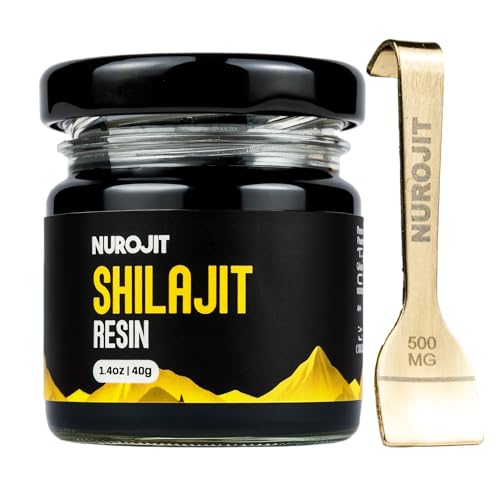
resin, ~300-500 mg/day — Premium purified resin, third-party heavy-metal tested; widely regarded as a reference-quality resin. - Nootropics Depot PrimaVie ShilajitClinically studied
capsules, 250 mg — PrimaVie, the standardised shilajit extract used in published human trials. - Zazzee Shilajit 40:1 Extract
capsules, 40:1 extract — Standardised to 50% fulvic acid. - Swanson Shilajit Extract
capsules, 400 mg, 60 count — Budget option from a long-established supplement brand.
As an Amazon Associate we earn from qualifying purchases. Shilajit quality varies widely — always choose a product with a published third-party heavy-metal test (COA) before buying.
A Note on the Evidence
Most shilajit research is early-stage, conducted in animals or small human trials, and no regulatory body has approved it as a treatment for any inflammatory condition. Heavy metal contamination in poorly processed products is a documented risk [10]; always choose a third-party tested product. Consult a doctor before use if you are pregnant, have kidney disease, or take prescription medications. This article is informational only and does not constitute medical advice.

Frequently Asked Questions
How does shilajit reduce inflammation at the cellular level?
The leading proposed mechanism involves fulvic acid acting as a free-radical scavenger and shilajit’s dibenzo-alpha-pyrones supporting mitochondrial function, thereby reducing the reactive oxygen species that drive inflammation. Shilajit has also been shown in animal research to modulate the Nrf-2/Keap-1 pathway, which governs endogenous antioxidant enzyme production [3]. These mechanisms are supported by laboratory evidence but have not been fully confirmed in large human trials.
Is there any human trial showing shilajit reduces inflammation?
Yes, though the evidence is limited. A randomized, double-blind, placebo-controlled trial in postmenopausal women with osteopenia found that shilajit extract dose-dependently reduced oxidative stress and inflammation markers [1]. This is the most rigorous human data currently available; additional trials in broader populations are needed.
Can shilajit help with liver inflammation?
Animal research suggests shilajit may protect liver tissue from inflammatory injury by modulating the NF-κB signaling pathway, which controls pro-inflammatory cytokine production [6]. However, this research was conducted in animal models of drug-induced liver injury, and there is no clinical trial evidence demonstrating benefit for liver inflammation in humans.
Does shilajit have any effect on brain inflammation?
Shilajit has been studied for neuroprotective properties in rat models of head trauma [8] and has been identified as a nutraceutical of interest in neuroinflammation research related to Alzheimer’s disease [9]. These findings are exploratory; no human clinical trials have established that shilajit reduces neuroinflammation or prevents cognitive decline.
What are the main safety concerns with shilajit?
The primary concern is heavy metal contamination. Because shilajit is a geological substance, it can contain lead, arsenic, and mercury if not properly processed and tested [10]. People with kidney disease, those who are pregnant or breastfeeding, and anyone on prescription medications should consult a physician before using shilajit.
Is shilajit effective for joint inflammation or arthritis?
There is no direct clinical trial evidence supporting shilajit for joint inflammation or arthritis specifically. Its proposed antioxidant mechanisms and the RCT showing reduced inflammatory markers in bone-loss contexts [1] provide indirect biological rationale, but extrapolating that to joint arthritis would be speculative. Anyone managing arthritis should work with a healthcare provider rather than relying on supplements alone.
References
- Pingali U et al. Shilajit extract reduces oxidative stress, inflammation, and bone loss to dose-dependently preserve bone mineral density in postmenopausal women with osteopenia: A randomized, double-blind, placebo-controlled trial. Phytomedicine : international journal of phytotherapy and phytopharmacology (2022). PMID 35933897
- Agarwal SP et al. Shilajit: a review. Phytotherapy research : PTR (2007). PMID 17295385
- Rajpoot A et al. Shilajit mitigates chemotherapeutic drug-induced testicular toxicity: Study on testicular germ cell dynamics, steroidogenesis modulation, and Nrf-2/Keap-1 signaling. Journal of Ayurveda and integrative medicine (2024). PMID 39121783
- Kumar MR et al. Oxidative stress induced by lead and antioxidant potential of certain adaptogens in poultry. Toxicology international (2010). PMID 21170243
- Vinola SMJ et al. Evaluation of cytotoxicity and anti-inflammatory action of AH-Plus sealer with and without petasin, pachymic acid, curcumin & shilajit: an invitro-study. Scientific reports (2025). PMID 40628871
- He SQ et al. Shilajit extract (ZhaXun) protects against acetaminophen-induced liver injury via modulation of the NF-κB/AKT/Caspase-3 axis. Journal of ethnopharmacology (2026). PMID 40957543
- Ghasemkhani N et al. Treatment effects of Shilajit on aspirin-induced gastric lesions in rats. Physiological reports (2021). PMID 33818003
- Karaoglu AC et al. Investigation of Neuroprotective Effect of Shilajit Extract in Experimental Head Trauma Model Created in Rats. Turkish neurosurgery (2023). PMID 37846531
- Maccioni RB et al. Novel Nutraceutical Compounds in Alzheimer Prevention. Biomolecules (2022). PMID 35204750
- Stohs SJ et al. Safety and efficacy of shilajit (mumie, moomiyo). Phytotherapy research : PTR (2014). PMID 23733436
These statements have not been evaluated by the Food and Drug Administration. This information is not intended to diagnose, treat, cure, or prevent any disease. Content is for informational purposes only and is not medical advice; consult a qualified healthcare provider before starting any supplement. As an Amazon Associate we earn from qualifying purchases.
