Shilajit has been used in Ayurvedic medicine for centuries as a rasayana — a class of substances believed to promote vitality, strength, and reproductive health. Today, it is marketed widely as a libido booster, often with bold claims. The reality is more nuanced: while there are plausible biological mechanisms and some early-stage research, robust human clinical evidence specifically linking shilajit to increased sex drive is absent — no published human trial has measured sexual desire as an outcome at all. Human trials do exist, but they measured hormones.
This article walks through what shilajit is, why it has been historically associated with sexual health, what the current research actually shows, and what to be cautious about if you are considering it. The goal is honest information, not hype.
Key Takeaways
- Shilajit has centuries of traditional use as a vitality and reproductive tonic, but traditional use is not the same as clinical proof.
- Proposed mechanisms — mitochondrial support, trace mineral delivery, and possible adaptogenic effects — are biologically plausible but largely unconfirmed in robust human trials specific to libido.
- Human trials do exist, but they measured hormones rather than desire: purified shilajit significantly raised total testosterone, free testosterone and DHEAS against placebo in men aged 45 to 55 [1]. No published human trial has measured libido itself.
- Product quality matters significantly — unpurified shilajit can contain heavy metals, so third-party tested, purified forms are essential if you choose to use it.
- Low libido typically has multiple causes; shilajit is unlikely to be a standalone solution and is not a substitute for addressing underlying hormonal, lifestyle, or medical factors.
What Is Shilajit?
Shilajit — also called mineral pitch, mumijo, or salajeet — is a dark, resinous substance that seeps from rock formations in high-altitude mountain ranges, including the Himalayas, Altai, and Caucasus. It forms over centuries from the gradual decomposition of plant and microbial matter under pressure and heat.
Its primary active constituents include fulvic acid, humic acids, dibenzo-alpha-pyrones (DBPs), and a range of trace minerals such as iron, zinc, copper, and magnesium. Fulvic acid, in particular, is thought to enhance cellular nutrient uptake and may support mitochondrial function — the process by which cells generate energy. These properties form the basis of most proposed health benefits, including effects on energy, hormones, and reproductive function.
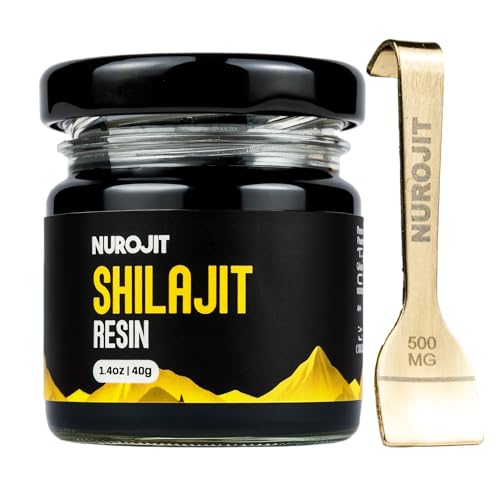
Quality and composition vary significantly between products. Authentic, purified shilajit from a reputable source is chemically distinct from adulterated or raw, unpurified forms, which may carry contaminants including heavy metals.
The Traditional Libido Connection
In classical Ayurvedic texts, shilajit is classified as a ‘shukrala’ — a substance said to increase shukra dhatu, which roughly corresponds to reproductive tissue and sexual vitality. It was historically prescribed for conditions including low libido, infertility, and general physical weakness, typically combined with other herbs such as ashwagandha, saffron, or kapikacchu.
This traditional context is worth acknowledging honestly: centuries of use in a medical tradition is suggestive but is not clinical evidence by modern standards. Traditional medicine systems did not conduct randomized controlled trials, and outcomes were not measured by today’s methods. The traditional use does, however, provide a reasonable rationale for investigating the compound scientifically.
Proposed Mechanisms: How Could Shilajit Affect Libido?
Several biological pathways have been proposed to explain how shilajit might influence sexual health, though it is important to note that most remain at the hypothesis or early-research stage for humans.

First, mitochondrial support: fulvic acid and dibenzo-alpha-pyrones are thought to facilitate electron transport in mitochondria, potentially improving cellular energy production. Since low energy and fatigue are common contributors to reduced libido, any compound that meaningfully improves energy status could have indirect effects on sex drive — though this chain of reasoning involves several unproven steps.

Second, trace mineral replenishment: zinc is essential for testosterone synthesis, and deficiency in minerals like zinc and magnesium is associated with reduced androgen levels. Shilajit delivers bioavailable trace minerals, and fulvic acid may enhance their absorption. If someone’s low libido stems partly from mineral deficiency, shilajit could theoretically help — but supplementing any individual deficient mineral would achieve the same effect more directly.
Third, adaptogenic and stress-modulating effects: chronic stress elevates cortisol, which suppresses testosterone and can reduce sexual desire. Some Ayurvedic compounds are classified as adaptogens — substances that may modulate the stress response. This possible mechanism is discussed further in the research section below.
What the Research Actually Shows
The direct human clinical evidence on shilajit and libido is sparse. Most studies to date are either animal models, use small sample sizes, or study shilajit as part of a multi-ingredient formulation rather than in isolation — which makes it difficult to attribute any observed effect specifically to shilajit.
One animal study examined shilajit’s effects on male reproductive function in the context of heavy-metal toxicity. Researchers found that shilajit administration helped protect against cadmium-induced damage to fertility markers in male mice, suggesting a possible protective role in reproductive tissue under oxidative stress conditions [2]. This is noteworthy, but an animal study conducted under a specific toxic exposure is not evidence that shilajit boosts libido in healthy human adults.
A separate line of research looked at adaptogenic activity. A study on Siotone — a polyherbal Ayurvedic formulation that includes shilajit alongside other ingredients — found evidence of adaptogenic activity in animal models, suggesting stress-modulating properties [3]. Because Siotone contains multiple herbs, this finding cannot be attributed to shilajit alone. Still, it is consistent with the hypothesis that shilajit-containing formulations may support resilience to stress, which could indirectly benefit sexual health in individuals whose low libido is stress-related.
The strongest human evidence sits one step away from libido, on hormones. A randomised, double-blind, placebo-controlled trial gave purified shilajit at 250 mg twice daily to healthy men aged 45 to 55 for 90 days and found significantly increased total testosterone, free testosterone and DHEAS compared with placebo, with LH and FSH maintained [1]. An earlier open-label study in oligospermic men reported a 23.5% increase in serum testosterone over the same 90-day period alongside improved sperm parameters, though with no placebo arm [4]. And a 2024 systematic review in the International Journal of Impotence Research assessed 27 marketed testosterone boosters and concluded most fail to raise testosterone at all — purified shilajit extract was among the small group it rated possibly effective, specifically for men with late-onset hypogonadism [5].
That is a real result, and it is also not the claim on the label. Testosterone is a plausible upstream input to sexual desire, not a synonym for it — men with near-identical testosterone readings report very different libido, and none of the trials above asked participants about sex drive at all. The only work to look at erectile physiology directly used isolated rat tissue, where shilajit relaxed corpus cavernosum through a parasympathomimetic mechanism that atropine blocked [6]. That is a mechanism worth testing in people; it is not a result in people.
So the honest summary is narrower than either the marketing or a flat dismissal: there is genuine placebo-controlled human evidence that purified shilajit raises testosterone in middle-aged men, and no human evidence whatsoever about what it does to libido.
Honest Limitations of the Current Evidence
It is worth being direct: no human clinical trial has measured libido as an outcome at all, as a primary endpoint or otherwise, so nothing has demonstrated that shilajit increases sex drive. The placebo-controlled human evidence that does exist measured testosterone [1], and most consumer-facing claims quietly treat those two things as the same thing. They are not.
Many studies in this space are small, short in duration, and funded or conducted by parties with a commercial interest in positive results. Animal studies are useful for generating hypotheses but routinely fail to translate directly to human physiology. Polyherbal studies cannot isolate shilajit’s contribution. These are not reasons to dismiss shilajit outright — they are reasons to hold the evidence at the appropriate confidence level.
If you are experiencing low libido, the causes are often multifactorial: hormonal imbalances, chronic stress, sleep deprivation, nutritional deficiencies, relationship dynamics, or underlying medical conditions. A supplement with limited clinical evidence is unlikely to address any of these root causes on its own.
Purity, Safety, and Who Should Be Cautious
One area where caution is genuinely important is product quality. Raw or unpurified shilajit can contain heavy metals including arsenic, lead, and mercury, as well as mycotoxins. The protective effect of shilajit against cadmium toxicity in animal research [2] is ironic given that low-quality shilajit products may themselves introduce heavy-metal exposure. Always choose products that have been third-party tested and purified.
Individuals with hemochromatosis (iron overload), kidney disease, or those who are pregnant or breastfeeding should avoid shilajit without explicit guidance from a healthcare provider. Shilajit may also interact with diabetes medications by affecting blood glucose, and its effects on individuals taking blood pressure medications are not well characterized. As with any supplement, consult a qualified healthcare professional before starting, especially if you have an existing medical condition or take prescription medications.
🛒 Where to Buy Shilajit
- Pürblack Live ResinLab-tested / studied
resin, ~300-500 mg/day — Premium purified resin, third-party heavy-metal tested; widely regarded as a reference-quality resin. - Nootropics Depot PrimaVie ShilajitClinically studied
capsules, 250 mg — PrimaVie, the standardised shilajit extract used in published human trials. - Zazzee Shilajit 40:1 Extract
capsules, 40:1 extract — Standardised to 50% fulvic acid. - Swanson Shilajit Extract
capsules, 400 mg, 60 count — Budget option from a long-established supplement brand.
As an Amazon Associate we earn from qualifying purchases. Shilajit quality varies widely — always choose a product with a published third-party heavy-metal test (COA) before buying.

A Note on the Evidence
The research on shilajit and libido is early-stage and insufficient to make confident clinical recommendations — the human trials measured testosterone rather than sexual desire, and the libido-specific work is confined to animal models; anyone with underlying health conditions, those taking prescription medications, and anyone who is pregnant or breastfeeding should consult a healthcare provider before use. This article is informational only and does not constitute medical advice.
Frequently Asked Questions
Does shilajit increase testosterone?
In men, yes — measured as a blood hormone level, not as sex drive. A randomised, double-blind, placebo-controlled trial found that purified shilajit at 250 mg twice daily for 90 days significantly increased total testosterone, free testosterone and DHEAS versus placebo in healthy men aged 45 to 55, while LH and FSH stayed in range [1]. An open-label study in 28 oligospermic men who completed treatment reported a 23.5% rise in serum testosterone over 90 days alongside improved sperm counts [4]. A 2024 systematic review of marketed testosterone boosters was unusually blunt that most do nothing, and named purified shilajit extract among the few it rated possibly effective for men with late-onset hypogonadism [5]. Two caveats matter. These trials measured hormone concentrations rather than desire, and a higher testosterone reading does not automatically translate into a change in libido. And they used specific purified, standardised extracts, so the results do not transfer to raw or unverified products. If testosterone is a concern, blood work and a conversation with a doctor are still the right starting points.
How long does it take for shilajit to affect libido?
No clinical timeline exists for libido, because no human trial has measured sexual desire as an outcome. The hormone trials that do exist both dosed for 90 days before measuring testosterone [1][4], which makes the 4 to 12 week windows manufacturers suggest shorter than the only human dosing periods actually studied. Any perceived change within a short period could reflect placebo response, lifestyle changes made alongside supplementation, or normal variability in sexual desire.
Can women take shilajit for libido?
The research focuses almost entirely on male reproductive physiology. The polyherbal adaptogen study [3] did measure sexual behaviour, but in male rats under chronic stress, and the formulation contained four other herbs besides shilajit — so it tells us nothing about women. The human testosterone trials enrolled men only [1][4]. There is no clinical evidence that shilajit improves libido in women. Women who are pregnant or breastfeeding should avoid shilajit entirely.
Is shilajit safe to take daily?
Purified shilajit from a verified, third-party-tested source appears to be reasonably tolerated in the short term by healthy adults at typical doses, but long-term daily use in humans has not been studied extensively. The concern with raw or untested products is heavy-metal contamination, as highlighted by research on shilajit’s interaction with cadmium exposure [2]. Anyone with kidney disease, iron overload conditions, or who takes medications should consult a doctor before daily use.
Is the libido effect of shilajit proven?
No — not as a libido effect. The human trials that exist measured hormones rather than sexual desire: testosterone rose significantly against placebo [1] and in an open-label oligospermia study [4], but neither recorded whether participants’ sex drive changed. The libido-specific evidence is still entirely preclinical — protection of fertility markers in male mice [2], restored male sexual behaviour in stressed rats given a shilajit-containing polyherbal formula [3], and relaxation of rat erectile tissue via a parasympathomimetic mechanism [6]. That is a coherent rationale, not proof. A trial measuring sexual desire directly in humans has not been published.
What form of shilajit is best for sexual health?
Purified resin or standardized extract with verified fulvic acid content and third-party heavy-metal testing is preferable to raw or powder forms of unknown purity. Beyond that, the evidence does not currently support recommending one delivery form over another specifically for libido. The most important quality factor is purity verification, given that contamination is a documented concern in this product category.
References
- Pandit S et al. Clinical evaluation of purified Shilajit on testosterone levels in healthy volunteers. Andrologia (2016). PMID 26395129
- Mishra RK et al. Profertility effects of Shilajit on cadmium-induced infertility in male mice. Andrologia (2018). PMID 29947420
- Bhattacharya SK et al. Adaptogenic activity of Siotone, a polyherbal formulation of Ayurvedic rasayanas. Indian journal of experimental biology (2000). PMID 11218827
- Biswas TK et al. Clinical evaluation of spermatogenic activity of processed Shilajit in oligospermia. Andrologia (2010). PMID 20078516
- Morgado A et al. Do "testosterone boosters" really increase serum total testosterone? A systematic review. International Journal of Impotence Research (2024). PMID 37697053
- Kaur S et al. Parasympathomimetic effect of shilajit accounts for relaxation of rat corpus cavernosum. American Journal of Men’s Health (2013). PMID 23060465
These statements have not been evaluated by the Food and Drug Administration. This information is not intended to diagnose, treat, cure, or prevent any disease. Content is for informational purposes only and is not medical advice; consult a qualified healthcare provider before starting any supplement. As an Amazon Associate we earn from qualifying purchases.
