Shilajit — a tar-like resin collected from high-altitude rock formations across the Himalayas, Altai, and Caucasus — has been used in Ayurvedic and Central Asian traditional medicine for centuries, often credited with broad effects on vitality and disease resistance. Among those traditional claims is support for immune function. But how much of that reputation holds up to scientific scrutiny?
The honest answer is: some intriguing preclinical signals exist, but robust human trials focused specifically on immune outcomes are largely absent. What researchers have is a body of animal studies, laboratory characterization of shilajit’s active compounds, and a long traditional record that modern science is only beginning to test in controlled settings.
Key Takeaways
- Shilajit contains fulvic acid, humic acids, and trace minerals that have shown immunomodulatory activity in laboratory characterization and animal studies [1] [2].
- Animal studies in fish and crustaceans show improved immune resistance markers and reduced mortality from bacterial infection when shilajit is added to the diet [3] [4] — but aquatic animal models cannot be directly extrapolated to human immune responses.
- Preclinical research in rats suggests shilajit may modulate inflammatory cascades [5], and anti-inflammatory activity is linked to immune regulation, though this has not been confirmed in human subjects.
- No published human clinical trial has directly tested shilajit’s effect on immune function — traditional use and animal findings are hypothesis-generating, not evidence of confirmed benefit.
- Purity matters significantly: raw or improperly processed shilajit may contain heavy metals, and product quality varies widely across the market.
What Shilajit Contains: The Compound Basis for Immune Claims
Shilajit is not a single molecule — it is a complex mixture produced over millennia by the compression and humification of plant material in high-altitude rock strata. Its primary bioactive constituents include fulvic acid, humic acids, dibenzo-α-pyrones (DBPs), and a range of trace minerals including zinc, iron, selenium, and magnesium. These components are thought to underlie most of its proposed biological effects [2].
Humic substances isolated from shilajit (also referred to as mumie in Russian and Eastern European literature) have been characterized in laboratory settings, where fulvic acid fractions showed immunomodulatory activity, including enhanced reactive oxygen species and nitric oxide production in mouse macrophages [1]. Fulvic acid in particular is proposed to enhance cellular permeability and improve mineral transport — mechanisms that could theoretically support immune cell function, though this specific connection has not been directly tested in human immune trials.
Dibenzo-α-pyrones are among the more structurally unique constituents of shilajit and are thought to support mitochondrial energy metabolism. Immune cells — especially T cells and macrophages — are highly energy-dependent, so adequate cellular energy availability is a prerequisite for effective immune responses. However, this link between DBPs and immune outcomes remains theoretical in the absence of targeted human data.
Traditional Medicine and the Immunomodulatory Claim
In Ayurvedic medicine, shilajit is classified as a ‘rasayana’ — a rejuvenating substance believed to enhance physical resilience and resistance to illness. Reviews of its ethnopharmacological record document attributed properties including anti-inflammatory, adaptogenic, and immune-supporting effects [6]. The Central Asian equivalent — known as Tasmayi or mumie — carries similar traditional attributions in Chinese and Russo-Central Asian medical traditions [7].
Traditional classifications describe outcomes observed within pre-scientific frameworks and should be understood as hypotheses for modern investigation rather than confirmed evidence. That said, the consistency of immune-related claims across geographically separate medical traditions is one reason researchers have taken an interest in testing them. Traditional use at high altitudes is particularly notable: high-altitude environments impose significant oxidative stress and can suppress immune function, and shilajit’s traditional role as a high-altitude tonic [8] makes it an interesting candidate for research into stress-related immune modulation.


Animal Studies: Immune Resistance Under Pathogen Challenge
The most direct experimental evidence for shilajit’s immune effects currently comes from studies in fish and crustaceans challenged with bacterial pathogens. In one study, tilapia (Oreochromis mossambicus) fed a shilajit-enriched diet showed improved growth performance and significantly greater survival and resistance to Aeromonas hydrophila infection compared to controls [3]. Immune-related parameters measured included phagocytic activity, serum bactericidal capacity, and lysozyme activity — all indicators of innate immune function.
A parallel study in giant freshwater prawns (Macrobrachium rosenbergii) found that a shilajit-enriched diet enhanced immunity markers, improved antioxidant enzyme activity, and reduced mortality following Aeromonas hydrophila challenge [4]. These aquatic studies are internally consistent and used measurable, biologically meaningful endpoints. Their direct relevance to human immune function is uncertain, however — the species, pathogens, and physiological contexts differ substantially from human clinical scenarios.
Neither study isolates a single mechanism definitively. The authors suggest that the combined contribution of shilajit’s mineral content, antioxidant compounds, and fulvic acid fraction may collectively strengthen innate immune defenses in these organisms under infection pressure.
Anti-Inflammatory Signals from Preclinical Research
A histopathological and immunohistochemical study in rats with experimentally induced spinal cord injury found that shilajit treatment was associated with altered inflammatory marker expression compared to untreated injured controls [5]. While this was not an immune system study in the classical sense, immunohistochemical findings offered insight into how shilajit may modulate inflammatory cascades in stressed tissue.
Anti-inflammatory activity is relevant to immune function because chronic or dysregulated inflammation can impair normal immune surveillance, reduce pathogen clearance efficiency, and increase susceptibility to autoimmune responses. Compounds in shilajit — particularly its fulvic and humic acid fractions — have been proposed as modulators of certain inflammatory signaling pathways, but this remains an area of early-stage preclinical investigation rather than established human pharmacology.
Antioxidant Activity: An Indirect Pathway to Immune Support
Oxidative stress — the accumulation of reactive oxygen species beyond the body’s neutralizing capacity — is a well-documented suppressor of immune cell function. Compounds that reduce this burden can, in theory, help preserve immune cell viability. In laboratory analysis, fulvic acid fractions from shilajit increased reactive oxygen species and nitric oxide production by mouse immune cells, an immune-activating rather than antioxidant effect [1], while antioxidant activity has been reported in animal research, including a study using shilajit delivered in chitosan nanoparticles [9].
Fulvic acid’s proposed role as a mineral chelator and transport facilitator may also support immune-relevant enzymatic systems that depend on zinc, selenium, and iron — micronutrients that are critical for immune cell development, differentiation, and response. Whether these effects actually translate to measurable improvements in immune status in supplemented humans has not been confirmed in any published clinical trial.

What Human Research Does and Does Not Establish
It is important to be direct about the evidence gap: no high-quality, controlled human clinical trial has specifically measured shilajit’s effect on immune outcomes such as antibody titers, infection rates, lymphocyte subset counts, or cytokine profiles. The human trial data that exists covers other endpoints — notably testosterone in healthy men [10] — but not immunity.
General reviews of shilajit’s biological properties describe immunomodulatory effects as areas of scientific interest [2] [6], but those reviews draw primarily on traditional use and preclinical findings rather than human RCTs. This gap between preclinical signals and clinical confirmation is common in herbal medicine research and should be stated clearly rather than glossed over.
Animal models and laboratory studies can generate plausible hypotheses and sometimes predict human effects accurately — but they just as often do not. Consumers deserve an accurate account: the immune data for shilajit is preliminary, species-specific in key studies, and has not been tested in the controlled human trials that would be needed to make confident clinical claims.
🛒 Where to Buy Shilajit
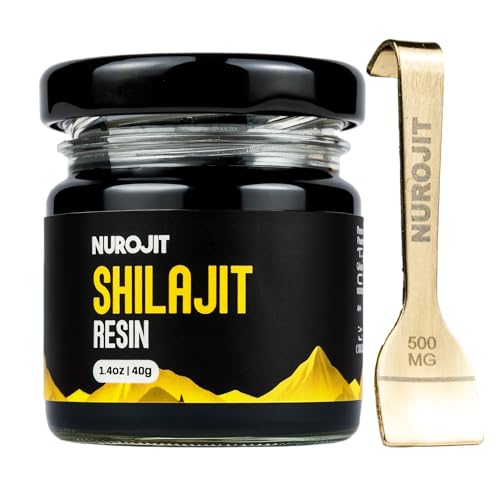
- Pürblack Live ResinLab-tested / studied
resin, ~300-500 mg/day — Premium purified resin, third-party heavy-metal tested; widely regarded as a reference-quality resin. - Nootropics Depot PrimaVie ShilajitClinically studied
capsules, 250 mg — PrimaVie, the standardised shilajit extract used in published human trials. - Zazzee Shilajit 40:1 Extract
capsules, 40:1 extract — Standardised to 50% fulvic acid. - Swanson Shilajit Extract
capsules, 400 mg, 60 count — Budget option from a long-established supplement brand.
As an Amazon Associate we earn from qualifying purchases. Shilajit quality varies widely — always choose a product with a published third-party heavy-metal test (COA) before buying.
A Note on the Evidence
Most evidence for shilajit’s immune effects comes from animal models and laboratory characterization studies — human clinical trials on immune outcomes have not been published, so confident claims about benefit in people are not yet warranted. Heavy metal contamination is a genuine risk with low-quality or unprocessed products; choose a purified, third-party tested product and consult a qualified healthcare provider before use, particularly if you have a chronic health condition or take prescription medications.

Frequently Asked Questions
Does shilajit boost the immune system?
The term ‘immune boost’ is imprecise and should be approached with caution. Animal studies show improved pathogen resistance in fish and crustaceans fed shilajit-enriched diets [3] [4], and laboratory research identifies immunomodulatory activity in its fulvic acid fractions [1]. Whether these effects translate to meaningful, measurable immune benefits in healthy humans has not been established in clinical trials.
What compounds in shilajit are linked to immune effects?
Fulvic acid and humic acids are the primary candidates — they have shown immune-activating effects in laboratory studies [1] and are proposed to improve bioavailability of trace minerals like zinc and selenium that immune cells depend on. Dibenzo-α-pyrones may support mitochondrial energy metabolism relevant to immune cell activity, though no human trial has confirmed these as direct immune mechanisms.
Is there any human research on shilajit and immunity?
Not directly. Existing human research covers endpoints like testosterone levels [10] and ethnopharmacological reviews document traditional immune-related uses [6], but no published randomized controlled trial has tracked immune outcomes — such as infection frequency, antibody responses, or immune cell populations — in people supplementing with shilajit.

How does shilajit's antioxidant activity relate to immune function?
Oxidative stress impairs immune cell function and increases susceptibility to infection. Fulvic acid fractions from shilajit have shown immune-activating effects in laboratory studies [1], and antioxidant activity has been reported in an animal model [9]. Reducing oxidative burden may indirectly support immune cell integrity, but this pathway remains unconfirmed in human immune studies.
Are the fish and prawn studies relevant to people?
They provide biologically plausible signals — improved immune resistance, enhanced phagocytic activity, and reduced infection mortality in aquatic species fed shilajit [3] [4]. However, aquatic animal immune physiology differs significantly from human immune physiology, and bacterial challenge models in fish cannot be directly extrapolated to human infection risk. They suggest directions for human research rather than conclusions about human supplementation.
Who should be cautious about using shilajit?
Purity is the primary concern regardless of the intended use: raw or unprocessed shilajit can contain heavy metals such as arsenic, lead, and mercury at potentially harmful concentrations. Pregnant or breastfeeding individuals, people with hemochromatosis or iron overload conditions, and those on immunosuppressive medications should consult a healthcare provider before use. Shilajit should not substitute for medically prescribed treatments for immune-related conditions.
References
- Schepetkin IA et al. Characterization and biological activities of humic substances from mumie. Journal of agricultural and food chemistry (2003). PMID 12926866
- Agarwal SP et al. Shilajit: a review. Phytotherapy research : PTR (2007). PMID 17295385
- Musthafa MS et al. Protective efficacy of Shilajit enriched diet on growth performance and immune resistance against Aeromonas hydrophila in Oreochromis mossambicus. Fish & shellfish immunology (2018). PMID 30102974
- Musthafa MS et al. Effect of Shilajit enriched diet on immunity, antioxidants, and disease resistance in Macrobrachium rosenbergii (de Man) against Aeromonas hydrophila. Fish & shellfish immunology (2016). PMID 27546551
- Çetin E et al. Histopathological and immunohistochemical investigation of the effect of Shilajit in rats with experimental spinal cord injury. Ulusal travma ve acil cerrahi dergisi = Turkish journal of trauma & emergency surgery : TJTES (2023). PMID 38073457
- Wilson E et al. Review on shilajit used in traditional Indian medicine. Journal of ethnopharmacology (2011). PMID 21530631
- Kizaibek M et al. [Research advances of Tasmayi]. Zhongguo Zhong yao za zhi = Zhongguo zhongyao zazhi = China journal of Chinese materia medica (2013). PMID 23668027
- Meena H et al. Shilajit: A panacea for high-altitude problems. International journal of Ayurveda research (2010). PMID 20532096
- Alshubaily FA et al. Correlation between Antioxidant and Anti-Osteoporotic Activities of Shilajit Loaded into Chitosan Nanoparticles and Their Effects on Osteoporosis in Rats. Polymers (2022). PMID 36235920
- Pandit S et al. Clinical evaluation of purified Shilajit on testosterone levels in healthy volunteers. Andrologia (2016). PMID 26395129
These statements have not been evaluated by the Food and Drug Administration. This information is not intended to diagnose, treat, cure, or prevent any disease. Content is for informational purposes only and is not medical advice; consult a qualified healthcare provider before starting any supplement. As an Amazon Associate we earn from qualifying purchases.
