Plasmalogens are a subclass of phospholipids found naturally in human cell membranes, with the highest concentrations in the brain, heart, and immune cells. Unlike ordinary phospholipids, they carry a vinyl-ether bond at the sn-1 position that makes them particularly vulnerable to oxidative damage—and, researchers hypothesize, particularly important for membrane fluidity and cellular signaling. Interest in oral plasmalogen supplementation has grown as studies have explored links between declining plasmalogen levels and neurological aging, though this research is still in relatively early stages.
Because plasmalogens are a niche category, the supplement market is less regulated and more variable in quality than more established categories like fish oil or vitamin D. Consumers face real challenges: ambiguous sourcing, inadequate purity data, and dose claims that range from plausible to implausible. This guide walks through what is currently understood about plasmalogen sources, how to evaluate a product’s quality, and which red flags on a label should prompt skepticism.
Key Takeaways
- Plasmalogen subtype matters: ethanolamine plasmalogens (found in scallop and chicken) and choline plasmalogens (found in egg yolk) are not interchangeable—check which subtype a product contains.
- Dose should be expressed in confirmed milligrams of intact plasmalogen per serving, not total extract or phospholipid blend weight.
- The vinyl-ether bond that defines plasmalogens is chemically fragile; poor manufacturing or storage can destroy bioactivity before the product reaches you—demand batch CoA data.
- Human research on oral plasmalogens is promising but still preliminary, with small trial sizes; no product should claim to treat or prevent any diagnosed condition.
- Third-party testing for both plasmalogen content and heavy metals is the most practical quality floor to require, especially for marine-sourced products.
What Plasmalogens Are and Why Source Matters
Plasmalogens are ether-linked phospholipids, meaning one of the fatty acid chains is attached to the glycerol backbone through an ether bond rather than an ester bond. The two main dietary subtypes are plasmenylcholine (choline-head group) and plasmenyl-ethanolamine (ethanolamine-head group). Ethanolamine plasmalogens (PlsEtn) are the predominant form in brain tissue and are the subtype most often highlighted in neurological research.
The source organism determines which plasmalogen subtypes are present and in what concentrations. Scallop (Patinopecten yessoensis) and other bivalve shellfish are among the richest known dietary sources of ethanolamine plasmalogens and have been used in several human pilot studies. Chicken white muscle, pork, and beef also contain plasmalogens, though typically at lower densities than scallop. Egg yolk contains plasmenylcholine in meaningful quantities. Some products use krill or purified bovine brain fractions. Each source carries a different subtype ratio, different potential contaminant profile, and different extraction chemistry, all of which affect what ends up in the capsule.
Marine vs. Egg vs. Chicken: Practical Differences
Marine-derived plasmalogen products—typically from scallop or sea squirt—have the most published human pilot data behind them. The ethanolamine plasmalogen content tends to be high, and the fatty-acid side chains at the sn-2 position often include DHA or EPA, which researchers have suggested may add a secondary benefit to membrane composition. The downside is that shellfish sources carry allergy risk and require cold-chain handling to prevent oxidation of the vinyl-ether bond during manufacturing.
Egg-derived products, particularly egg-yolk lecithin enriched in plasmenylcholine, are more shelf-stable and better tolerated by people without shellfish allergies. However, choline-head plasmalogens and ethanolamine-head plasmalogens are not interchangeable in the body; a product high in plasmenylcholine may not replicate findings from studies that used ethanolamine-predominant scallop extracts.
Chicken white muscle extracts occupy a middle ground. They provide ethanolamine plasmalogens at moderate concentrations and are less likely to trigger seafood allergy. However, the literature base for chicken-derived oral supplements is thinner than for scallop. When evaluating a product, find out which source was used and compare it to the research the company cites; mismatches between the source studied and the source sold are a common quality red flag.

Purity Concerns: Oxidation, Heavy Metals, and Processing Damage
The vinyl-ether bond that makes plasmalogens biologically distinctive also makes them chemically fragile. Exposure to heat, light, or oxygen during extraction and encapsulation can cleave this bond, converting the active plasmalogen into an ordinary lysophospholipid with no special properties. A product that was manufactured carelessly or stored improperly may contain very little intact plasmalogen by the time it reaches the consumer, even if the starting material was high quality.
Reputable manufacturers should be able to provide a certificate of analysis (CoA) showing plasmalogen content measured by a validated method—typically HPLC-MS or a comparable technique—at time of manufacture and, ideally, at end of shelf life. If a company cannot or will not share batch-level CoA data confirming the concentration of intact plasmalogen in the finished product, that is a meaningful warning sign.
Marine and animal sources also carry potential heavy-metal contamination (mercury, lead, cadmium) and, in the case of bovine brain fractions, theoretical prion-risk concerns that have led many manufacturers to move away from that source. Look for third-party heavy-metal testing results, particularly for scallop or krill products. Certified by NSF International, USP, or Informed Sport is a reasonable baseline standard, though not all plasmalogen products currently pursue these certifications.
Dose: What the Research Has Used vs. What Is Sold
Published human pilot studies on oral plasmalogens have typically used doses in the range of 1 mg per day of plasmenyl-ethanolamine, sometimes for 24 weeks or longer, with the plasmalogen measured in plasma as a surrogate outcome. These studies were small—often under 60 participants—and focused primarily on older adults with mild cognitive concerns. They provide proof-of-concept that oral plasmalogens can raise plasma plasmalogen levels, but they are not large enough to establish a confirmed therapeutic dose.
Products on the market range from sub-milligram doses (sometimes listed in micrograms) to multi-gram servings that contain some plasmalogen among many other phospholipids. A product advertising ‘1000 mg of plasmalogen-rich extract’ is not the same as ‘1 mg of purified plasmenyl-ethanolamine.’ Sellers may list total phospholipid weight rather than the plasmalogen fraction, which can inflate the apparent dose significantly. Ask specifically: what is the measured milligrams of intact plasmalogen—by subtype—per serving?
Conversely, products claiming dramatically high plasmalogen doses (tens or hundreds of milligrams of purified plasmalogen) without corresponding bioavailability or safety data should also prompt caution. The research using milligram-range doses is preliminary; products claiming that more is straightforwardly better are going beyond what the evidence currently supports.
Label Red Flags: What to Watch For
Several patterns on plasmalogen supplement labels should prompt skepticism. First, vague sourcing language—’proprietary marine complex’ or ‘phospholipid blend’ without disclosure of the specific organism and which plasmalogen subtypes are present—makes it impossible to compare the product to any published research. Legitimate manufacturers have nothing to hide about their raw material source.
Second, dose expressed only in total extract weight rather than confirmed plasmalogen content is a red flag. A scallop extract may be 10% plasmalogens by weight in a well-controlled product or 2% in a poorly standardized one; without a confirmed assay, the label number is almost meaningless. Similarly, proprietary blends that combine plasmalogens with other phospholipids without specifying the plasmalogen fraction give you no useful dosing information.
Third, disease claims—anything suggesting the product treats, prevents, or cures Alzheimer’s disease, dementia, or other diagnosed conditions—are not supported by the current level of evidence and are illegal under U.S. FDA regulations for dietary supplements. A company willing to make such claims is also less likely to be rigorous about manufacturing quality. Structure/function language like ‘supports cognitive function’ is permissible; claims about treating disease are not.
Practical Checklist Before You Buy
Before purchasing a plasmalogen supplement, work through the following questions. Does the label specify the source organism and the plasmalogen subtype (plasmenylcholine vs. plasmenyl-ethanolamine)? Is the dose expressed in confirmed milligrams of intact plasmalogen rather than total extract weight? Is there a third-party CoA available showing measured plasmalogen content and heavy-metal testing? Does the company cite specific published studies that actually used its source material and dose range—not just loosely related phospholipid research?
If the answer to most of these is no or unclear, the product is likely not worth the premium price that plasmalogen supplements command. The category is genuinely interesting from a research standpoint, but it is also small enough that marketing has outpaced manufacturing rigor in some parts of the market. Spending more time on sourcing verification is worthwhile given how early the field is.
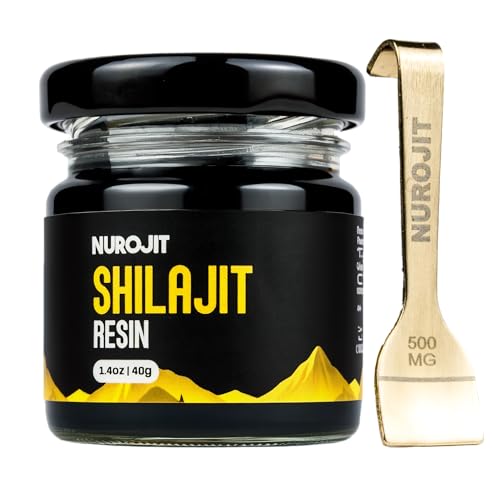
🛒 Where to Buy Shilajit
- Pürblack Live ResinLab-tested / studied
resin, ~300-500 mg/day — Premium purified resin, third-party heavy-metal tested; widely regarded as a reference-quality resin. - Toniiq Shilajit
capsules, 500 mg — Standardized fulvic-acid %, third-party tested generic. - Nutricost Shilajit Extract
capsules, 500 mg — Low-cost large-count bottles. - Double Wood Shilajit
capsules, 500 mg — Budget-friendly, COA on request.
As an Amazon Associate we earn from qualifying purchases. Shilajit quality varies widely — always choose a product with a published third-party heavy-metal test (COA) before buying.
A Note on the Evidence
The human research on oral plasmalogen supplementation is preliminary, consisting primarily of small pilot studies; larger randomized controlled trials have not yet confirmed efficacy or established safe long-term dosing. Individuals who are pregnant, nursing, allergic to shellfish, or managing any diagnosed neurological or cardiovascular condition should consult a licensed healthcare provider before adding a plasmalogen supplement to their regimen. This article is informational only and does not constitute medical advice.

Frequently Asked Questions
What is the difference between a plasmalogen and a regular phospholipid?
Plasmalogens have a vinyl-ether bond at the sn-1 carbon of the glycerol backbone, whereas ordinary phospholipids have an ester bond at that position. This structural difference is thought to affect membrane fluidity, antioxidant capacity, and cell-signaling properties. The distinction also makes plasmalogens more fragile during manufacturing and storage.
Are scallop-derived plasmalogens the best source?
Scallop extracts have the most published human pilot data and provide high concentrations of ethanolamine plasmalogens, often with DHA or EPA at the sn-2 position. Whether they are definitively superior to other sources is not established; the research base is simply larger for this source. People with shellfish allergies need to consider egg-yolk or chicken-derived alternatives.
How much plasmalogen should a daily supplement contain?
Human pilot studies have typically used approximately 1 mg per day of purified plasmenyl-ethanolamine and measured plasma levels over weeks to months. Products vary widely, and no established optimal dose has been confirmed in large randomized trials. Be skeptical of products that cannot tell you exactly how many milligrams of intact plasmalogen—by subtype—are in each serving.
Can plasmalogen supplements cause side effects?
Short-term studies have not identified serious adverse effects at the doses tested, but the research base is small and long-term safety data are limited. Marine-sourced products carry shellfish allergy risk. As with any lipid supplement, gastrointestinal sensitivity is possible. People who are pregnant, nursing, immunocompromised, or managing a diagnosed neurological condition should consult a physician before use.
Why do some products list 'plasmalogen-rich extract' instead of a specific amount?
This phrasing lets a manufacturer avoid committing to a measured plasmalogen content, which may reflect an inconsistent manufacturing process, an unstandardized raw material, or simply a marketing decision. It makes dose comparison impossible and should be treated as a quality red flag.
Is third-party certification required for plasmalogen supplements?
No regulatory body requires it, but independent certification from organizations like NSF International or USP provides meaningful assurance that the product contains what the label says and has been tested for common contaminants including heavy metals. Given that plasmalogen content can be degraded during processing, third-party verification of actual plasmalogen levels is especially valuable in this category.
These statements have not been evaluated by the Food and Drug Administration. This information is not intended to diagnose, treat, cure, or prevent any disease. Content is for informational purposes only and is not medical advice; consult a qualified healthcare provider before starting any supplement. As an Amazon Associate we earn from qualifying purchases.
