Shilajit is a tar-like resin that seeps from high-altitude rock formations, formed over centuries from the decomposition of plant and microbial matter. It contains fulvic acid, humic acids, dibenzo-alpha-pyrones, and a range of trace minerals — compounds that have attracted growing attention for their potential effects on energy metabolism, inflammation, and bone health. Most of the popular conversation around shilajit focuses on men and testosterone, but women have increasingly been asking whether it has a meaningful role for them.
The honest answer is that the evidence specifically in women is very limited. There is one well-designed clinical trial examining shilajit’s effects in women, and it focused on a specific population: postmenopausal women with low bone density. Outside of that, much of what circulates online about shilajit and women draws on mechanistic speculation, animal data, or studies conducted mostly in men. This article walks through what is actually known, what is plausible but unproven, and what every woman considering shilajit should keep in mind before starting.
Key Takeaways
- The only clinical trial in women showed shilajit dose-dependently preserved bone mineral density in postmenopausal women with osteopenia [1] — a promising but narrow finding.
- There are no published trials on shilajit and hormones, energy, fertility, or mood specifically in women; those claims are extrapolated from men’s research or animal data.
- Shilajit’s active compounds — fulvic acid, humic acids, dibenzo-alpha-pyrones, and trace minerals — have plausible mechanisms, but mechanisms don’t equal proven outcomes in women.
- Heavy metal contamination is a real risk; only use products with independent third-party testing and a certificate of analysis.
- Pregnant and breastfeeding women should avoid shilajit; women with hormonal conditions like PCOS should consult a physician before use.
What Shilajit Contains and How It May Work
Shilajit’s most studied active component is fulvic acid, a low-molecular-weight compound that may act as a carrier molecule, helping shuttle minerals and other nutrients into cells. Humic acids, also present in abundance, have demonstrated antioxidant and anti-inflammatory properties in laboratory settings. Dibenzo-alpha-pyrones and their metabolites are thought to support mitochondrial electron transport, which is relevant to how cells produce ATP — the body’s main energy currency.
Trace minerals such as iron, magnesium, zinc, and selenium appear in shilajit as fulvic acid complexes, which some researchers propose may improve their bioavailability compared to inorganic mineral salts. Whether these theoretical advantages translate into clinically meaningful benefits in healthy, well-nourished adults is a separate question that remains largely unresolved. The mechanisms are plausible; the human evidence confirming them in women specifically is thin.
The One Clinical Trial in Women: Bone Health After Menopause
The only randomized, double-blind, placebo-controlled trial to test shilajit specifically in women enrolled postmenopausal women with osteopenia — a condition of reduced but not yet critically low bone mineral density that is common after estrogen declines. The trial found that shilajit extract reduced markers of oxidative stress and inflammation and dose-dependently preserved bone mineral density in this group [1].
That result is meaningful. Postmenopausal bone loss is driven in part by increased osteoclast activity, oxidative stress, and low-grade systemic inflammation — all pathways that shilajit’s active compounds theoretically target. The dose-dependent response pattern seen in the trial strengthens the case that the effect was real rather than random noise [1]. That said, a single trial is not enough to establish a treatment, and the study was conducted in a specific population under specific conditions. Generalizing the results to younger women, perimenopausal women, or women with healthy bone density requires further research that has not yet been published.


There are no published clinical trials examining shilajit’s effects on energy, mood, libido, menstrual cycles, fertility, or hormones specifically in women. Claims about those outcomes in women are based on extrapolation, not direct evidence.
Testosterone and Hormones: What Applies to Women?
Shilajit is frequently marketed as a testosterone booster, citing research conducted in men. Women do produce testosterone — in smaller amounts through the ovaries and adrenal glands — and it plays a role in libido, muscle maintenance, and mood. However, there are no published clinical trials demonstrating that shilajit raises testosterone in women or that any hormonal change in women would be clinically beneficial.
Raising testosterone artificially in women carries different considerations than in men. Elevated androgens in women are associated with conditions like polycystic ovary syndrome and can cause unwanted effects including acne, hair changes, and menstrual irregularities. Until there is direct clinical research in women, any hormonal claims about shilajit and women should be treated as speculative.
Energy and Mitochondrial Function: Plausible, but Unproven in Women
The dibenzo-alpha-pyrones in shilajit are thought to act as cofactors in the mitochondrial electron transport chain, potentially supporting more efficient ATP production. This has led to widespread claims about shilajit improving energy and reducing fatigue. While the mechanistic rationale is reasonable, the clinical data supporting this in women is absent.
Women experience fatigue for a wide range of reasons — iron-deficiency anemia, thyroid disorders, disrupted sleep, hormonal fluctuations across the menstrual cycle, and perimenopause being among the most common. If fatigue is a concern, ruling out underlying and treatable causes with a healthcare provider is more evidence-based than supplementing with shilajit based on mechanistic theory alone.
Iron Status: A Particular Consideration for Women
Many women of reproductive age are at risk for iron deficiency due to menstrual blood loss. Shilajit contains iron bound to fulvic acid complexes, and its fulvic acid component may also influence iron absorption and transport. Some proponents argue this makes shilajit useful for women with low iron.
This is theoretically interesting, but there are no clinical trials confirming that shilajit meaningfully improves iron status in women with deficiency. Iron supplementation needs to be calibrated carefully — too little is ineffective, too much is harmful. Women with suspected iron deficiency should have their levels confirmed by blood work and work with a healthcare provider on an appropriate protocol, which may or may not include shilajit.
Purity, Heavy Metals, and Product Quality
Shilajit is a raw geological exudate, and its quality varies dramatically by region of origin, harvest conditions, and processing method. Heavy metal contamination — including lead, arsenic, mercury, and cadmium — has been documented in low-quality or improperly processed shilajit products. Some commercial products have failed third-party testing for heavy metals.

This concern is amplified during pregnancy, when heavy metal exposure poses significant risk to fetal development. Pregnant and breastfeeding women should avoid shilajit entirely. For other women, selecting products that carry a certificate of analysis from an accredited third-party laboratory, confirming heavy metal limits and fulvic acid content, is a basic minimum. Proprietary-blend products with no independent testing data should be avoided.
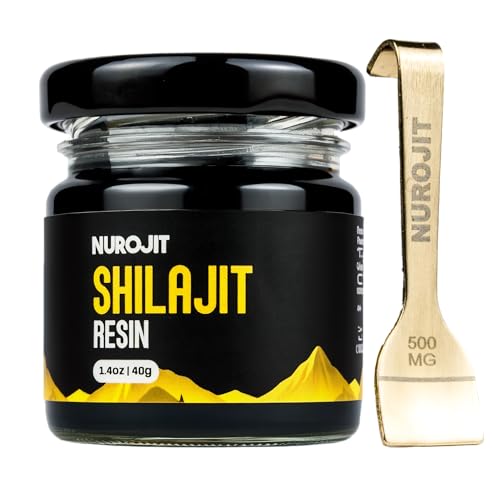
🛒 Where to Buy Shilajit
- Pürblack Live ResinLab-tested / studied
resin, ~300-500 mg/day — Premium purified resin, third-party heavy-metal tested; widely regarded as a reference-quality resin. - Nootropics Depot PrimaVie ShilajitClinically studied
capsules, 250 mg — PrimaVie, the standardised shilajit extract used in published human trials. - Zazzee Shilajit 40:1 Extract
capsules, 40:1 extract — Standardised to 50% fulvic acid. - Swanson Shilajit Extract
capsules, 400 mg, 60 count — Budget option from a long-established supplement brand.
As an Amazon Associate we earn from qualifying purchases. Shilajit quality varies widely — always choose a product with a published third-party heavy-metal test (COA) before buying.
A Note on the Evidence
The evidence base for shilajit in women consists of a single clinical trial, conducted in postmenopausal women with osteopenia; most other claimed benefits in women lack direct human trial data. Heavy metal contamination is a documented risk in poorly processed products, and shilajit should be avoided entirely during pregnancy and breastfeeding. Women with hormonal disorders, kidney disease, or those taking prescription medications should consult a qualified healthcare provider before use.
Frequently Asked Questions
Is there any clinical research on shilajit specifically in women?
Yes, but it is limited to one population. A randomized, double-blind, placebo-controlled trial found that shilajit extract preserved bone mineral density and reduced oxidative stress and inflammation in postmenopausal women with osteopenia [1]. No equivalent trials exist for other health outcomes in women.

Can shilajit help with menopausal symptoms?
The one relevant clinical trial focused specifically on bone mineral density in postmenopausal women, not on hot flashes, sleep, mood, or other common menopausal symptoms [1]. Whether shilajit helps with those symptoms is unknown because the research has not been done.
Will shilajit raise testosterone in women?
There are no clinical trials testing shilajit’s effect on testosterone in women. The testosterone research was conducted in men. Because elevated androgens can cause side effects in women, and because there is no evidence showing benefit, this claim should not be a reason for women to use shilajit.
Is shilajit safe to take during pregnancy?
No. Shilajit should be avoided during pregnancy and breastfeeding. It is a raw geological substance that can contain heavy metals, and there are no safety studies in pregnant women. Heavy metal exposure during pregnancy poses serious risks to fetal development.
How long does shilajit take to work?
The clinical trial on bone mineral density in postmenopausal women ran over a defined study period, and any meaningful changes in bone density occur over months, not days [1]. For other proposed benefits in women, there is no timeline data because the trials have not been conducted.
How do I know if a shilajit product is safe?
Look for a product that provides a third-party certificate of analysis from an accredited laboratory confirming it has been tested for heavy metals (lead, arsenic, mercury, cadmium) and confirming fulvic acid content. Avoid products that cannot provide this documentation, as contamination with heavy metals has been documented in lower-quality products on the market.

References
- Pingali U et al. Shilajit extract reduces oxidative stress, inflammation, and bone loss to dose-dependently preserve bone mineral density in postmenopausal women with osteopenia: A randomized, double-blind, placebo-controlled trial. Phytomedicine : international journal of phytotherapy and phytopharmacology (2022). PMID 35933897
These statements have not been evaluated by the Food and Drug Administration. This information is not intended to diagnose, treat, cure, or prevent any disease. Content is for informational purposes only and is not medical advice; consult a qualified healthcare provider before starting any supplement. As an Amazon Associate we earn from qualifying purchases.
