You’ve heard the buzz around shilajit: increased testosterone, sustained energy, sharper focus, and faster recovery. It’s an ancient “mineral pitch” gaining modern traction among men and biohackers seeking an edge. But with so much anecdotal enthusiasm, a critical question arises: how much shilajit should you actually take to experience these benefits, and more importantly, how do you ensure you’re consuming a product that’s both effective and safe?
Navigating the world of shilajit dosage can feel like sifting through mountain rock itself. This comprehensive guide, updated for 2026, cuts through the noise to provide evidence-based recommendations on shilajit dosage, optimal timing, and crucial safety considerations, especially concerning purity and heavy metal contamination. We’re here to equip you with the knowledge to integrate shilajit responsibly into your regimen.
FTC Disclosure: This article contains affiliate links. If you make a purchase through these links, ShilajitHub may earn a commission at no extra cost to you. This helps support our research and content creation.
What is Shilajit and Why Does Dosage Matter?
Shilajit, often called “mineral pitch” or “Conqueror of Mountains, Destroyer of Weakness,” is a sticky, tar-like substance found primarily in the Himalayan, Altai, Caucasus, and other mountain ranges. It forms over centuries from the decomposition of plant matter and minerals, exuding from rocks during warm weather.
Its complex composition includes fulvic acid, humic acid, dibenzo-alpha-pyrones, and over 80 minerals in ionic form. Fulvic acid, in particular, is believed to play a key role in shilajit’s bioavailability and its ability to transport nutrients into cells.
Dosage is paramount because shilajit’s effects are concentration-dependent. Too little might yield no noticeable benefits, while excessive amounts could lead to potential side effects or simply be wasteful. Research studies provide the most reliable starting points for effective and safe consumption.
Evidence-Based Shilajit Dosages for Key Benefits
Clinical research, while still relatively nascent for shilajit, offers valuable insights into effective dosages for specific outcomes. It’s important to remember that most human studies are small and often industry-funded, necessitating a cautious interpretation of findings.
Shilajit Dosage for Testosterone Support
One of the most compelling reasons men turn to shilajit is its potential to support testosterone levels. A notable double-blind, randomized, placebo-controlled clinical study involving healthy volunteers aged 45-55 found a significant increase in total and free testosterone levels.
Participants consumed 250 mg of purified shilajit twice daily, totaling 500 mg per day, for 90 consecutive days. The mechanism is thought to involve its impact on the hypothalamic-pituitary-gonadal axis, potentially stimulating Leydig cell function.
Recommended Dosage: For testosterone support, 500 mg per day, split into two doses (e.g., 250 mg in the morning and 250 mg in the evening), appears to be the most studied and effective dosage based on current evidence.
Shilajit Dosage for Energy and ATP Production
Shilajit is often touted for its energy-boosting properties, which are linked to its potential role in mitochondrial function and ATP (adenosine triphosphate) production. Studies suggest that shilajit, particularly its fulvic acid and dibenzo-alpha-pyrones, can enhance mitochondrial efficiency.
While specific human studies on energy dosage are less clear-cut than for testosterone, the general range used in animal models and human trials for overall vitality often falls within the 200-500 mg daily range. Shilajit may act as an electron donor, improving the electron transport chain within mitochondria.
Recommended Dosage: For general energy and vitality, a daily dose between 200 mg to 500 mg is commonly suggested. Starting at the lower end and gradually increasing is a prudent approach.

Shilajit Dosage for Cognitive Function
The potential cognitive benefits of shilajit are an emerging area of research, with some studies suggesting neuroprotective and memory-enhancing effects. Its antioxidant properties and ability to modulate neurotransmitters like acetylcholine are thought to contribute to these effects.
One review highlighted shilajit’s potential in managing cognitive disorders due to its fulvic acid content, which may prevent the aggregation of tau protein. However, direct human dosage studies specifically for cognitive enhancement in healthy individuals are limited.
Recommended Dosage: Based on general health studies and safety profiles, a dose of 200-500 mg per day is often used. More targeted research is needed to establish an optimal cognitive-specific dosage.
Shilajit Dosage for Exercise Recovery and Adaptation
Athletes and biohackers are increasingly interested in shilajit for its potential to aid in exercise recovery, reduce fatigue, and support muscle adaptation. Research has indicated that shilajit may help preserve muscle strength and reduce tissue damage after exhaustive exercise.
One study on skeletal muscle adaptation in healthy, recreationally active men found that 250 mg of shilajit twice daily (500 mg total) for eight weeks helped retain muscle strength. This suggests a role in supporting the body’s response to physical stress.
Recommended Dosage: For exercise recovery and adaptation, 500 mg per day, split into two doses, aligns with the most relevant human research.
When to Take Shilajit: Timing Your Doses
Optimal timing can enhance shilajit’s effects, especially given its traditional use and observed physiological impacts. While there’s no single “best” time for everyone, general guidelines can help.
Many users and traditional practices suggest taking shilajit in the morning. This aligns with its potential to boost energy and cognitive function, providing a sustained lift throughout the day.
If you’re taking a split dose (e.g., 250 mg twice daily), consider one dose with breakfast and the second dose with lunch or early dinner. Taking it too close to bedtime might interfere with sleep for some individuals due to its energizing properties, though this effect varies.
Shilajit is generally recommended to be taken on an empty stomach for optimal absorption, but if you experience any gastrointestinal discomfort, taking it with a light meal is an option. Dissolving resin in warm water, milk, or tea is a common consumption method.
How to Take Shilajit: Forms and Methods
Shilajit comes in various forms, each with its own benefits and considerations. The most traditional and often preferred form is resin, but purified powder and capsules are also available.
| Form of Shilajit | Description | Pros | Cons |
|---|---|---|---|
| Resin | Sticky, tar-like substance, typically dark brown to black. | Most traditional, often considered purest, allows precise dosing. | Can be messy, strong taste/smell, requires dissolving. |
| Powder | Dried and ground shilajit resin. | Easier to measure than resin, dissolves well, often standardized. | May have additives if not 100% pure, can be less potent if highly processed. |
| Capsules | Shilajit powder enclosed in a gelatin or vegetarian capsule. | Convenient, tasteless, precise dosing, portable. | May contain fillers, less control over absorption rate, often pricier per dose. |
For resin, a typical dose is a pea-sized amount (approximately 200-300 mg). Dissolve it in a cup of warm, filtered water, milk, or herbal tea. Avoid mixing it with chlorinated water, as shilajit’s humic and fulvic acids can react with chlorine to form potentially harmful byproducts.
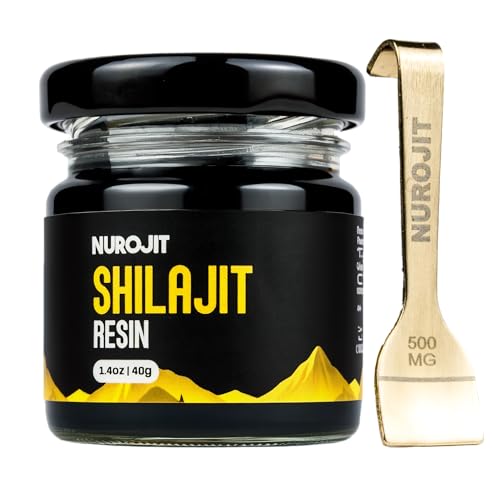
If using powder or capsules, simply follow the manufacturer’s dosage instructions, ensuring they align with the evidence-based recommendations discussed above. Always prioritize products that specify the fulvic acid content, as this indicates quality.
Shilajit Safety: Purity, Heavy Metals, and Potential Side Effects
Safety is paramount when supplementing with shilajit. Its natural origin means it can potentially contain contaminants, making source and purification critical. The most significant safety concern is heavy metal contamination and microbial impurities.
The Critical Importance of Third-Party COAs
Raw, unprocessed shilajit can be unsafe due to heavy metals like lead, mercury, arsenic, and cadmium, as well as fungal or bacterial contaminants. This is why purchasing only purified shilajit from reputable sources is non-negotiable.
A reliable vendor will provide a Certificate of Analysis (COA) from an independent, third-party laboratory. This COA should explicitly detail the levels of heavy metals, microbial contaminants, and often, the fulvic acid content.
Always review the COA to ensure the product meets safety standards and contains acceptable levels of beneficial compounds. Transparency from the manufacturer is a hallmark of a trustworthy product.
Potential Side Effects and Contraindications
When consumed in recommended dosages and from a purified source, shilajit is generally well-tolerated. However, some individuals may experience mild side effects, especially when first starting.
Possible side effects include mild stomach upset, dizziness, or allergic reactions. If you experience any adverse effects, discontinue use and consult a healthcare professional.
Shilajit may interact with certain medications or exacerbate existing conditions. Individuals with hemochromatosis (excess iron in the blood), sickle cell anemia, or thalassemia should avoid shilajit due to its iron content. Pregnant or breastfeeding women and children should also avoid shilajit due to a lack of safety data.
Always consult with your doctor before starting any new supplement, especially if you have pre-existing medical conditions or are taking other medications.
Finding Quality Shilajit: What to Look For
With the increasing popularity of shilajit, the market is flooded with various products. To ensure you’re getting a safe and effective supplement, focus on these key attributes:
Third-Party Lab Testing: As mentioned, this is crucial. Look for a COA that confirms purity and heavy metal levels.
Source Transparency: Reputable brands will clearly state where their shilajit is sourced (e.g., Himalayas, Altai Mountains).
Purification Method: Understand how the shilajit is processed. Traditional methods often involve filtering with spring water and sun-drying, which are generally preferred over chemical extraction.
Fulvic Acid Content: A higher fulvic acid percentage (typically 50-60% or more) is often indicative of a higher quality and more potent product.

When searching online, look for products described as “pure Himalayan shilajit resin third-party tested,” “shilajit capsules heavy metal tested,” or “high fulvic acid shilajit supplement.” Prioritize brands that openly share their lab results.
Conclusion
Shilajit holds significant promise for men and biohackers seeking to optimize testosterone, energy, cognition, and recovery. While research is ongoing and often preliminary, current evidence points to effective dosages generally ranging from 200 mg to 500 mg per day, with 500 mg daily showing consistent benefits in testosterone and recovery studies.
Crucially, the efficacy and safety of shilajit hinge entirely on product purity. Always prioritize shilajit that comes with verifiable third-party Certificates of Analysis demonstrating freedom from heavy metals and contaminants. By adhering to recommended dosages and selecting a high-quality, purified product, you can explore the potential benefits of shilajit responsibly.
Frequently Asked Questions About Shilajit Dosage and Safety
What is the optimal shilajit dosage for beginners?
For beginners, it’s recommended to start with a lower dose, such as 100-200 mg once daily. Gradually increase the dosage over a few weeks to the recommended 200-500 mg daily, observing how your body responds.
Can I take shilajit every day?
Yes, shilajit is generally safe for daily consumption when taken in recommended dosages from a purified source. Most studies showing benefits involve consistent daily use over several weeks or months.
How long does it take to see results from shilajit?
The time to see results can vary widely among individuals and depends on the desired benefit. Some users report increased energy within days, while benefits like testosterone support or significant cognitive improvements may take 4-12 weeks of consistent use, as observed in clinical trials.
Is it possible to overdose on shilajit?
While an “overdose” in the traditional sense is rare with purified shilajit, taking excessively high doses beyond recommended amounts is not advised and could potentially lead to side effects. Adhere to the established dosage guidelines.
Does shilajit need to be cycled?
There is no strong scientific consensus or requirement for cycling shilajit based on current research. Many individuals take it continuously. However, some prefer to cycle it (e.g., 2-3 months on, 1 month off) to prevent potential adaptation or to assess its long-term effects on their system.
What should I do if my shilajit product doesn’t have a COA?
If a shilajit product does not provide a readily available third-party Certificate of Analysis, it is highly recommended to avoid purchasing it. The absence of a COA indicates a lack of transparency and an inability to verify product purity and safety, particularly concerning heavy metals.
These statements have not been evaluated by the FDA. This product is not intended to diagnose, treat, cure, or prevent any disease.
