Shilajit — a dark, resinous substance that seeps from Himalayan and other high-altitude rocks — has been used in Ayurvedic and Tibetan medicine for centuries. It is rich in fulvic and humic acids, dibenzo-alpha-pyrones, and an array of trace minerals, all of which are thought to contribute to its biological activity. In recent years, researchers have begun examining whether shilajit could protect the liver, one of the body’s primary detoxification organs.
The available evidence comes almost entirely from animal studies, and results should be interpreted with that firmly in mind. That said, several mechanisms have been proposed — including reduction of inflammatory cytokines, modulation of oxidative stress, and influence on cell-death signaling pathways — that make shilajit’s interaction with liver tissue a legitimate area of scientific inquiry. This article reviews what the research actually shows, what remains unknown, and who should be particularly cautious.
Key Takeaways
- Animal studies suggest shilajit may reduce liver inflammation and fat accumulation in NAFLD models [1] [2], but no human trials confirm this effect.
- A shilajit extract showed protective effects against acetaminophen-induced liver injury in rats by modulating inflammatory and cell-death pathways [3] — this does not make shilajit a treatment for drug overdose.
- Proposed mechanisms — fulvic acid antioxidant activity, cytokine modulation, NF-κB pathway effects — are biologically plausible but remain unproven in human liver tissue.
- The biggest real-world liver risk from shilajit may be heavy metal contamination in unverified products; always choose brands with documented third-party testing.
- Anyone with liver disease, on hepatotoxic medications, pregnant or breastfeeding, or undergoing cancer treatment should consult a qualified healthcare provider before using shilajit.
What Is Shilajit and How Might It Interact with the Liver?
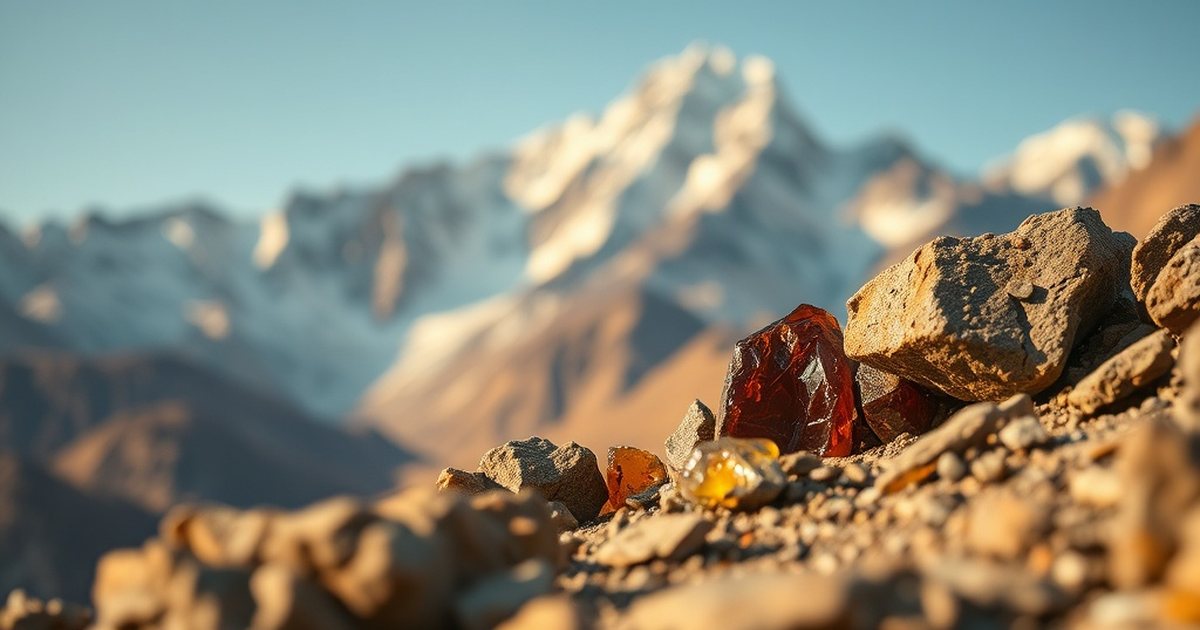
Shilajit forms over centuries from the slow decomposition of plant and microbial matter under the pressure of mountain rock. Its main bioactive components are fulvic acid, humic acid, and a group of compounds called dibenzo-alpha-pyrones. The formation and exudation process of Tibetan shilajit — known as ZhaXun — has been characterized in detail [4], and that research highlights how mineral and organic composition can vary significantly depending on geographic source, altitude, and season.
Fulvic acid is thought to act as both an electron donor and acceptor, potentially reducing oxidative stress in tissues including the liver. Humic acids may bind to and help neutralize certain environmental toxins. Trace minerals such as magnesium, zinc, and iron support enzymatic activity central to liver detoxification. None of these mechanisms has been definitively proven in human liver tissue, but they provide a plausible biological rationale for the effects observed in animal experiments.
Shilajit and Non-Alcoholic Fatty Liver Disease (NAFLD)
Non-alcoholic fatty liver disease — characterized by excess fat accumulation in liver cells without significant alcohol intake — is one of the most common liver conditions globally. Two rat studies have tested whether shilajit might influence its progression.
One study fed rats a high-fat diet to induce NAFLD and then treated them with shilajit. The researchers observed hepatoprotective effects, with markers of fatty liver disease improving in the treated group [1]. A second study looked more closely at the hormonal and inflammatory picture: shilajit modulated levels of resistin, a pro-inflammatory adipokine, and adiponectin, an anti-inflammatory adipokine, alongside several cytokines in NAFLD rats [2]. Together, these findings suggest shilajit may influence the metabolic and inflammatory pathways that drive fatty liver, though both studies were in rodents.
It is important to state clearly that NAFLD management in humans relies on well-established interventions: dietary change, weight reduction, and in some cases medication. Shilajit is not a proven treatment for human NAFLD, and it should not be substituted for medical care.

Protection Against Drug-Induced Liver Injury
Some of the most acute liver injuries occur when the organ is overwhelmed by drugs or their metabolites. Acetaminophen (paracetamol) overdose is a leading cause of acute liver failure worldwide, and researchers routinely use it as a model for testing hepatoprotective compounds.
A 2026 study on a shilajit extract (ZhaXun) found that it protected against acetaminophen-induced liver injury in rats by modulating the NF-κB/AKT/Caspase-3 signaling axis [3]. In plain terms, these pathways govern inflammation, cell survival, and programmed cell death — all of which become dysregulated when the liver is overwhelmed by toxic acetaminophen metabolites. Shilajit appeared to dampen pro-inflammatory signaling and reduce liver cell apoptosis in this animal model.
A separate study examined aspirin-induced gastric lesions and found shilajit had a protective effect on the stomach lining [5]. While that study addressed gastric tissue rather than the liver specifically, it adds to a broader picture of shilajit acting as a tissue-protective agent under conditions of drug-related stress — though again, all evidence is from rodents and cannot be directly applied to human use.
Shilajit and Liver Stress During Cancer Treatment
Chemotherapy drugs are often toxic to healthy organs alongside tumor cells, with the liver and kidneys bearing a significant share of that burden. Researchers have explored whether shilajit could reduce some of this collateral damage.
One study in rats with osteosarcoma found that shilajit, given alongside chemotherapeutic agents, appeared to both potentiate the anti-tumor effects of the drugs and mitigate the liver and kidney damage caused by cancer metastasis [6]. This is an intriguing dual finding, but it carries important caveats: the experiment was in an animal bone cancer model, drug interactions in human oncology are complex and highly individualized, and no human trial has investigated this. Anyone undergoing cancer treatment must consult their oncologist before adding any supplement to their regimen.
Purity, Heavy Metals, and the Real Risk to Your Liver
Here is an uncomfortable irony: while early animal research suggests shilajit may have liver-protective properties, poorly sourced or inadequately processed shilajit could harm the liver. Shilajit forms in geological environments where heavy metals — including lead, arsenic, and mercury — naturally accumulate. If the raw material is not rigorously purified, these metals can carry over into the final product.
Heavy metal accumulation is itself hepatotoxic; the liver is a primary site of metal processing and can sustain damage from chronic exposure to even low levels. Independent laboratory testing of commercial shilajit products has repeatedly found wide variation in heavy metal content between brands. The geographic origin and extraction method matter enormously, as the mineral composition of shilajit shifts significantly based on where and how it is collected [4].
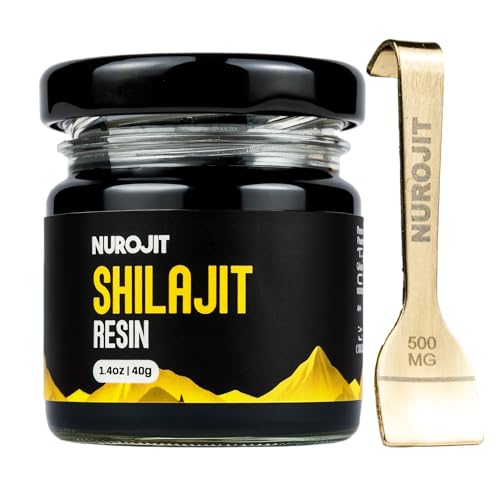
This makes product quality arguably the most important liver-health consideration for anyone thinking about taking shilajit. Prioritize brands that provide third-party certificates of analysis (COAs) showing heavy metal levels below established regulatory limits, and be skeptical of products that do not offer this documentation.
What the Evidence Cannot Yet Tell Us
Every study reviewed here was conducted in rodents. Animal models are valuable for exploring mechanisms and generating hypotheses, but they do not reliably predict human outcomes. Rats metabolize compounds differently from humans, the doses used in these studies are difficult to translate directly to human supplementation, and animal disease models cannot capture the full complexity of human liver disease, which involves genetics, long-term diet, alcohol history, co-medications, and other comorbidities.
There are currently no published randomized controlled trials in humans specifically examining shilajit’s effects on liver enzymes, fatty liver progression, or drug-induced liver injury. Until that evidence exists, shilajit cannot responsibly be recommended as a liver-protective supplement. People with existing liver disease, those taking medications known to stress the liver, and those with any metabolic or autoimmune liver condition should consult a physician before considering shilajit.
🛒 Where to Buy Shilajit
- Pürblack Live ResinLab-tested / studied
resin, ~300-500 mg/day — Premium purified resin, third-party heavy-metal tested; widely regarded as a reference-quality resin. - Nootropics Depot PrimaVie ShilajitClinically studied
capsules, 250 mg — PrimaVie, the standardised shilajit extract used in published human trials. - Zazzee Shilajit 40:1 Extract
capsules, 40:1 extract — Standardised to 50% fulvic acid. - Swanson Shilajit Extract
capsules, 400 mg, 60 count — Budget option from a long-established supplement brand.
As an Amazon Associate we earn from qualifying purchases. Shilajit quality varies widely — always choose a product with a published third-party heavy-metal test (COA) before buying.
A Note on the Evidence
All published research on shilajit and liver health comes from animal studies; no human clinical trials have established safety or efficacy for this use. Heavy metal contamination in unverified products poses a genuine hepatotoxicity risk — only use shilajit with third-party testing documentation. This article is informational only and does not constitute medical advice; consult a qualified healthcare provider before using shilajit, especially if you have liver disease, take prescription medications, are pregnant or breastfeeding, or are undergoing cancer treatment.

Frequently Asked Questions
Can shilajit protect my liver?
Early animal research suggests shilajit may have hepatoprotective properties — for example, reducing fat accumulation and improving inflammatory markers in rats with fatty liver disease [1] [2]. However, there are no human clinical trials on this specific question, so it is not accurate to claim shilajit protects the human liver based on current evidence.
Does shilajit help with non-alcoholic fatty liver disease?
Two rodent studies found shilajit reduced markers of NAFLD, including modulation of adiponectin, resistin, and inflammatory cytokines [2] [1]. These findings are mechanistically interesting but have not been replicated in human trials. NAFLD management should follow physician-guided, evidence-based strategies.
Can shilajit protect against liver damage from acetaminophen or other drugs?
A 2026 rat study found that a shilajit extract (ZhaXun) protected against acetaminophen-induced liver injury by modulating the NF-κB/AKT/Caspase-3 axis [3]. This is a preliminary animal finding only — shilajit should never be used as a self-treatment for drug-induced liver injury or overdose, which is a medical emergency.
Is shilajit safe to take if I already have liver disease?
This question cannot be answered from the current published evidence. While some animal research suggests a protective effect in specific disease models, poorly purified shilajit carries a real risk of heavy metal exposure, which is particularly dangerous for anyone with compromised liver function. Consult a hepatologist or physician before using shilajit if you have any diagnosed liver condition.
Could shilajit actually damage my liver?
Yes, under certain conditions. Poorly purified shilajit products may contain lead, arsenic, mercury, or other heavy metals that are hepatotoxic with chronic exposure. The mineral content of shilajit varies substantially based on its geographic source and how it is processed [4], meaning not all products carry the same risk. Only use shilajit that has been independently laboratory-tested and certified to contain heavy metals below safety thresholds.
Is there any evidence shilajit helps during cancer treatment?
One rat study in osteosarcoma found that shilajit given alongside chemotherapy drugs appeared to enhance anti-tumor effects while reducing liver and kidney damage caused by metastasis [6]. This is very early, animal-only research. Supplement use during cancer treatment must always be discussed with an oncology team, as interactions with chemotherapy drugs can be serious.
References
- Ghezelbash B et al. Hepatoprotective effects of Shilajit on high fat-diet induced non-alcoholic fatty liver disease (NAFLD) in rats. Hormone molecular biology and clinical investigation (2020). PMID 32083445
- Ghezelbash B et al. Protective Roles of Shilajit in Modulating Resistin, Adiponectin, and Cytokines in Rats with Non-alcoholic Fatty Liver Disease. Chinese journal of integrative medicine (2022). PMID 35258780
- He SQ et al. Shilajit extract (ZhaXun) protects against acetaminophen-induced liver injury via modulation of the NF-κB/AKT/Caspase-3 axis. Journal of ethnopharmacology (2026). PMID 40957543
- Ding R et al. Mechanisms of generation and exudation of Tibetan medicine Shilajit (Zhaxun). Chinese medicine (2020). PMID 32612671
- Ghasemkhani N et al. Treatment effects of Shilajit on aspirin-induced gastric lesions in rats. Physiological reports (2021). PMID 33818003
- Jambi EJ et al. Shilajit potentiates the effect of chemotherapeutic drugs and mitigates metastasis induced liver and kidney damages in osteosarcoma rats. Saudi journal of biological sciences (2022). PMID 35957703
These statements have not been evaluated by the Food and Drug Administration. This information is not intended to diagnose, treat, cure, or prevent any disease. Content is for informational purposes only and is not medical advice; consult a qualified healthcare provider before starting any supplement. As an Amazon Associate we earn from qualifying purchases.
