Shilajit, the dark resinous substance found compressed in high-altitude mountain rock, has been used in Ayurvedic medicine for centuries to support digestion and vitality. Its primary active components — fulvic acid, humic acids, dibenzo-alpha-pyrones, and a complex of trace minerals — are thought to influence several biological systems, including the gastrointestinal tract. Interest in shilajit for gut health has grown alongside the broader scientific conversation around the microbiome, but it is worth examining what the research actually supports.
Most available evidence on shilajit and gut health comes from animal studies and laboratory models. Human clinical trials in this specific area are sparse. This article reviews what the current science suggests about shilajit and its main component fulvic acid in relation to the gut microbiome, gastric lining integrity, and liver health — while being direct about where the evidence is preliminary and where caution is warranted.
Key Takeaways
- Fulvic acid, shilajit’s main bioactive component, has shown effects on gut microbiome composition and intestinal health markers in animal studies, but human clinical data is currently limited.
- Animal research suggests shilajit may offer gastric mucosal protection and support liver health, both relevant to overall gut function, but these findings have not been confirmed in human trials.
- Product purity is the most pressing practical concern — raw shilajit can contain heavy metals, so only third-party-tested, purified products should be used.
- Shilajit may be a supportive addition to a gut health strategy, but it should not be treated as a treatment for gastrointestinal conditions.
- Anyone with liver disease, kidney disease, inflammatory bowel disease, or who is pregnant or breastfeeding should consult a physician before taking shilajit.
Shilajit's Key Compounds and Proposed Gut Mechanisms
Shilajit is not a single compound but a complex mixture formed over millennia from the decomposition of plant and microbial matter. Fulvic acid is its most studied bioactive constituent and accounts for a significant portion of its dry weight. Humic acids, dibenzo-alpha-pyrones, and over 80 ionic trace minerals round out its composition, each proposed to contribute to gut function through distinct pathways.
Fulvic acid is thought to enhance nutrient absorption across the intestinal epithelium, support the growth of beneficial gut bacteria, and modulate inflammatory signaling within gut tissue. Dibenzo-alpha-pyrones may support mitochondrial energy production in intestinal cells, potentially improving gut barrier function and motility. These mechanisms are scientifically plausible, but it is important to note that supporting evidence comes primarily from animal models and in vitro experiments rather than controlled human trials.
Fulvic Acid and the Gut Microbiome
Several animal studies have examined how fulvic acid influences gut microbial communities. Research in broiler chickens found that dietary supplementation with fulvic acid was associated with changes in intestinal microflora composition and related blood biochemistry markers [1]. Similarly, juvenile loach fish supplemented with fulvic acid showed improvements in intestinal health markers and immune-related gene expression in gut tissue [2].
A 2026 study took a broader approach, examining the safety and microbiota profile of fulvic acid formulations across in vitro and in vivo models, characterizing shifts in microbial communities alongside tolerability assessments [3]. Multi-omics analysis of fulvic acid’s effects in large yellow croaker fish further suggested shifts in microbial diversity and metabolic pathways associated with improved performance and immune function [4]. Taken together, these findings support the idea that fulvic acid can influence microbial ecology in the gut, though all of this data comes from animal or laboratory models and its relevance to human gut microbiome dynamics remains to be established.


The proposed mechanism is that fulvic acid acts as a prebiotic-like substrate, selectively promoting beneficial bacterial populations while its chelating properties — the ability to bind and transport minerals — may influence gut pH and nutrient availability in ways that shape microbial composition. Whether these mechanisms operate similarly in the human gut is an open research question.
Gastric Protection: Shilajit and the Stomach Lining
One area where shilajit has shown direct gut-relevant effects in animal research is gastric mucosal protection. A rat study assessed the treatment effects of shilajit on aspirin-induced gastric lesions and found evidence of reduced mucosal damage, suggesting that shilajit may help support the integrity of the stomach lining under conditions of chemical irritation [5]. Aspirin disrupts the gastric mucosa by inhibiting prostaglandin synthesis, so this model provides a useful stress test for a putative gastroprotective agent.
Older pharmacological research documented that shilajit was historically recognized for actions that may include anti-ulcer properties, consistent with its traditional use in digestive complaints [6]. While these findings align with Ayurvedic application, they are preliminary and restricted to animal or historical observation. No equivalent human trials on shilajit and gastric protection have been published in the peer-reviewed literature.
The Gut-Liver Axis: Shilajit's Hepatoprotective Research
The gut and liver are functionally linked — gut-derived metabolites and bacterial products travel directly to the liver via the portal vein, and liver health in turn shapes bile acid production and the broader gut environment. Several animal studies have investigated shilajit’s effects on liver health in contexts that are relevant to this gut-liver axis.
In rat models of non-alcoholic fatty liver disease (NAFLD), shilajit supplementation was associated with reduced liver fat accumulation and improved liver enzyme levels compared to untreated controls [7]. A complementary NAFLD rat study found that shilajit modulated resistin, adiponectin, and inflammatory cytokines, suggesting systemic anti-inflammatory activity that extended to the liver [8]. More recently, a shilajit extract was found to protect against acetaminophen-induced liver injury in rats, with the protective effect linked to modulation of the NF-κB, AKT, and Caspase-3 signaling pathways [9].
Because chronic liver stress and systemic inflammation can impair gut barrier function and alter the bile acid profiles that regulate microbial communities, liver support could plausibly have downstream benefits for gut health. However, all of these hepatoprotective findings come from rodent models, and whether shilajit produces equivalent effects in humans has not been tested in clinical trials.
Safety Profile Relevant to Gut Tolerance
A 91-day repeated-dose study in rats assessed the safety profile of black shilajit and found no significant adverse effects on major organ systems at tested doses, suggesting a reasonable safety margin in that animal model [10]. The 2026 fulvic acid study that profiled microbiota changes across in vitro and in vivo models also evaluated tolerability, contributing additional safety data for fulvic acid formulations specifically [3].
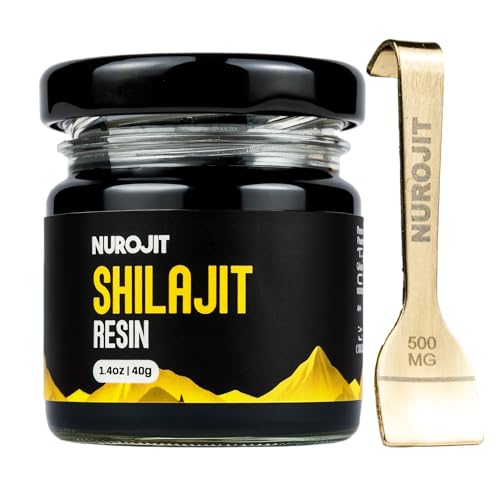

From a practical gut-tolerance standpoint, purified shilajit is generally considered well tolerated at label-recommended doses in healthy adults. The critical variable is product purity. Raw or unprocessed shilajit can contain heavy metals including lead, mercury, and arsenic, as well as mycotoxins and oxidizing free radicals at potentially harmful concentrations. Only purified shilajit that has been tested by an accredited third-party laboratory should be used. People with chronic gut conditions, significant liver disease, or kidney impairment should consult a physician before use.
What the Evidence Does and Does Not Support
It is worth being direct about the limitations of the current science. The majority of evidence on shilajit and gut health comes from animal models — rats, poultry, and fish — rather than human clinical trials. Animal microbiomes differ substantially from the human gut microbiome in composition, diversity, and response to dietary compounds, so findings from these models do not automatically translate to human physiology.
No large, well-controlled randomized clinical trials have specifically examined shilajit’s effects on human gut microbiome composition, intestinal permeability, or gastric mucosal health. The traditional use of shilajit in Ayurvedic medicine for digestive complaints is historically documented, but tradition is not a substitute for clinical evidence. Research in this area is active but early, and conclusions about gut health benefits should be held with appropriate uncertainty until human trials provide clearer answers.
🛒 Where to Buy Shilajit
- Pürblack Live ResinLab-tested / studied
resin, ~300-500 mg/day — Premium purified resin, third-party heavy-metal tested; widely regarded as a reference-quality resin. - Nootropics Depot PrimaVie ShilajitClinically studied
capsules, 250 mg — PrimaVie, the standardised shilajit extract used in published human trials. - Zazzee Shilajit 40:1 Extract
capsules, 40:1 extract — Standardised to 50% fulvic acid. - Swanson Shilajit Extract
capsules, 400 mg, 60 count — Budget option from a long-established supplement brand.
As an Amazon Associate we earn from qualifying purchases. Shilajit quality varies widely — always choose a product with a published third-party heavy-metal test (COA) before buying.
A Note on the Evidence
The evidence base for shilajit and gut health is largely from animal models and in vitro studies — human clinical trials are lacking, so none of these findings should be interpreted as established benefits in people. Raw or inadequately processed shilajit can contain heavy metals and other contaminants; always choose products verified by accredited third-party testing, and consult a physician if you have any liver, kidney, or chronic gut condition before use.
Frequently Asked Questions
Does shilajit help with gut health?
Animal research suggests that fulvic acid, shilajit’s primary bioactive component, can positively influence gut microbiome composition and intestinal health markers [1] [2]. However, no robust human clinical trials have specifically confirmed these effects in people, so it is premature to describe shilajit as a proven gut health supplement.

Can shilajit protect the stomach lining?
A rat study found that shilajit reduced aspirin-induced gastric lesions, indicating a possible protective effect on the gastric mucosa [5]. Older pharmacological research also noted anti-ulcer properties historically attributed to shilajit [6]. Both findings are from animal or historical sources, and no equivalent human data currently exists.

How does fulvic acid in shilajit affect gut bacteria?
Fulvic acid has been shown to alter intestinal microflora in animal studies, with research in broiler chickens and fish suggesting shifts in microbial community composition [1] [4]. A 2026 study also profiled microbiota changes in response to fulvic acid formulations in laboratory and animal models [3]. Whether these shifts translate meaningfully to the human gut requires dedicated clinical research.
Is shilajit safe for the digestive system?
A 91-day repeated-dose study in rats found no significant adverse effects on major organ systems [10], and purified shilajit is generally considered well tolerated at standard supplement doses in healthy adults. The primary safety risk is impurity: unprocessed shilajit may contain heavy metals, so third-party-tested, purified products are essential.
Can shilajit support liver health as part of gut wellness?
Animal studies found hepatoprotective effects of shilajit in NAFLD models, including reduced liver fat accumulation and modulation of inflammatory markers [7] [8], and a shilajit extract reduced acetaminophen-induced liver injury via specific signaling pathways in rats [9]. Because the gut and liver are closely interconnected, liver support could indirectly benefit gut health, but these findings await human trial confirmation.
Who should be cautious about using shilajit for gut health?
People with active liver disease, kidney impairment, inflammatory bowel disease, or gallbladder conditions should consult a physician before taking shilajit. Those on medications metabolized by the liver, and people who are pregnant or breastfeeding, should also seek medical guidance before use, as the safety data in these groups is insufficient.
References
- Liu L et al. Effects of fulvic acid on broiler performance, blood biochemistry, and intestinal microflora. Poultry science (2024). PMID 38096671
- Gao Y et al. Effects of fulvic acid on growth performance and intestinal health of juvenile loach Paramisgurnus dabryanus (Sauvage). Fish & shellfish immunology (2017). PMID 28089895
- Szwed-Georgiou A et al. Integrated safety and microbiota profiling of fulvic acid formulations across in vitro and in vivo models. Scientific reports (2026). PMID 41580488
- Xu K et al. Multi-omics analysis of the effects of fulvic acid on the growth performance of Larimichthys crocea in summer. Fish physiology and biochemistry (2025). PMID 41196432
- Ghasemkhani N et al. Treatment effects of Shilajit on aspirin-induced gastric lesions in rats. Physiological reports (2021). PMID 33818003
- Acharya SB et al. Pharmacological actions of Shilajit. Indian journal of experimental biology (1988). PMID 3248832
- Ghezelbash B et al. Hepatoprotective effects of Shilajit on high fat-diet induced non-alcoholic fatty liver disease (NAFLD) in rats. Hormone molecular biology and clinical investigation (2020). PMID 32083445
- Ghezelbash B et al. Protective Roles of Shilajit in Modulating Resistin, Adiponectin, and Cytokines in Rats with Non-alcoholic Fatty Liver Disease. Chinese journal of integrative medicine (2022). PMID 35258780
- He SQ et al. Shilajit extract (ZhaXun) protects against acetaminophen-induced liver injury via modulation of the NF-κB/AKT/Caspase-3 axis. Journal of ethnopharmacology (2026). PMID 40957543
- Velmurugan C et al. Evaluation of safety profile of black shilajit after 91 days repeated administration in rats. Asian Pacific journal of tropical biomedicine (2012). PMID 23569899
These statements have not been evaluated by the Food and Drug Administration. This information is not intended to diagnose, treat, cure, or prevent any disease. Content is for informational purposes only and is not medical advice; consult a qualified healthcare provider before starting any supplement. As an Amazon Associate we earn from qualifying purchases.
