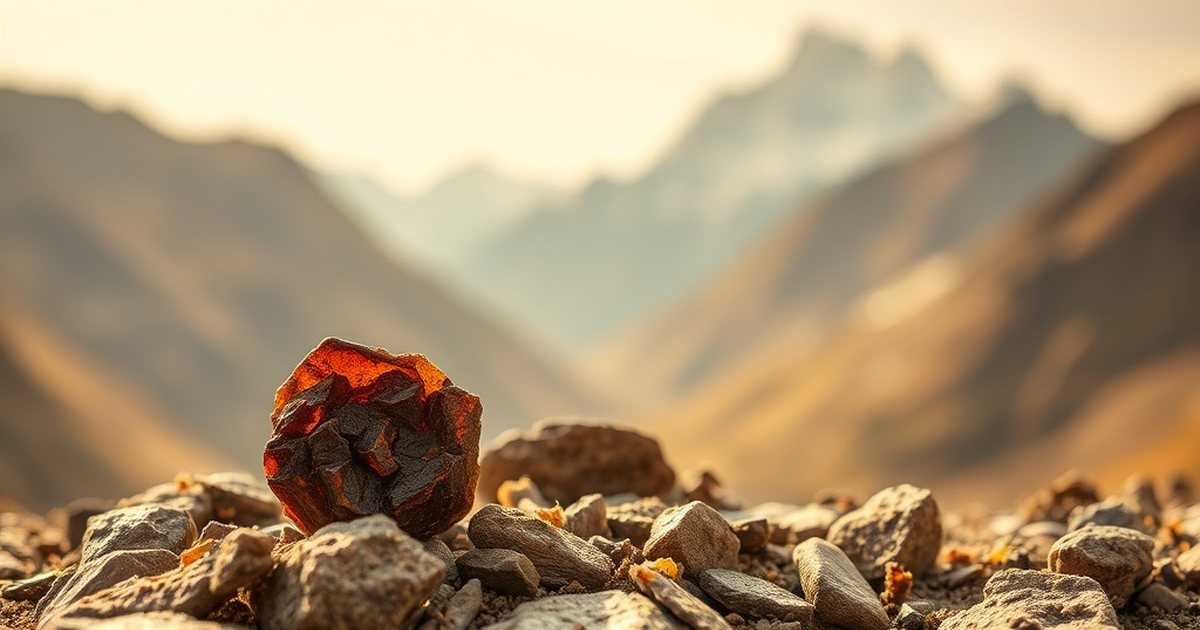
Shilajit is a tar-like resinous substance that seeps from high-altitude rock faces, particularly in the Himalayas and other mountain ranges. Formed over centuries from decomposed plant matter, it is rich in fulvic and humic acids, dibenzo-alpha-pyrones, and a spectrum of trace minerals. Traditional Ayurvedic medicine has long associated shilajit with vitality and physical endurance, and those claims have begun attracting scientific scrutiny in the context of muscle performance and hypertrophy.
Research into shilajit for muscle growth is still early-stage. The available trials tend to be small, short in duration, and sometimes lack placebo controls. That said, a handful of published studies point to potentially relevant mechanisms: effects on skeletal muscle gene expression, attenuation of fatigue-related strength loss, and support for connective tissue synthesis. This article summarizes what the current evidence actually says — and where it falls short.
Key Takeaways
- Shilajit contains fulvic acid, humic acids, dibenzo-alpha-pyrones, and trace minerals — fractions that may support mitochondrial energy production and nutrient transport in muscle cells.
- A 2016 study found that shilajit supplementation altered the human skeletal muscle transcriptome in ways relevant to muscle remodeling, suggesting activity at the molecular level [1].
- One trial reported that shilajit attenuated fatigue-induced decreases in muscular strength, along with effects on the connective tissue marker hydroxyproline [2].
- An 8-week RCT found shilajit supplementation elevated serum Pro-c1α1, a biomarker of type 1 collagen synthesis, suggesting possible connective tissue support alongside resistance training [3].
- Current research is preliminary: studies are small and short, and shilajit should not replace proven hypertrophy fundamentals. Heavy-metal contamination is a real risk — choose a third-party-tested product.
Proposed Mechanisms: How Shilajit Might Influence Muscle
The two most studied active fractions of shilajit are fulvic acid and dibenzo-alpha-pyrones (DBPs). Fulvic acid is thought to enhance the transport of nutrients and minerals across cell membranes and may support mitochondrial electron transport — the biochemical process by which cells generate ATP, the energy currency required for muscle contraction and repair. DBPs are proposed to act as electron carriers themselves, potentially augmenting mitochondrial energy output during exercise.
Shilajit also delivers a complex mix of trace minerals — iron, magnesium, zinc, manganese, and others — that serve as cofactors for enzymes involved in protein synthesis and energy metabolism. Zinc, for example, is required for testosterone production and protein anabolism; magnesium plays a role in over 300 enzymatic reactions, including those that regulate muscle function. Whether the mineral content of shilajit meaningfully supplements typical dietary intake in well-nourished adults remains an open question.
A 2016 gene expression study exposed another potential mechanism: shilajit supplementation produced measurable changes in the human skeletal muscle transcriptome, including genes associated with muscle maintenance and remodeling [1]. While transcriptomic shifts do not automatically translate into functional gains, the finding suggests shilajit can interact with muscle tissue at a molecular level beyond simple mineral delivery.
Skeletal Muscle Gene Expression: Early Molecular Evidence
One of the more mechanistically interesting studies in this space examined how oral shilajit supplementation altered gene expression in human skeletal muscle [1]. The investigators analyzed the muscle transcriptome — the full set of RNA transcripts being actively produced in muscle cells — before and after supplementation. The results indicated that shilajit influenced pathways related to muscle tissue maintenance and adaptation, offering a plausible molecular basis for the traditional claims around physical performance.


It is important to be clear about what transcriptomic data does and does not tell us. Changes in gene expression indicate that cells are receiving a signal to upregulate or downregulate certain processes, but they do not confirm that these changes produce measurable gains in muscle mass or strength. Larger controlled trials measuring functional outcomes are needed before firm conclusions can be drawn from this molecular evidence.
Muscular Strength and Fatigue Resistance
A frequently cited trial published in the Journal of the International Society of Sports Nutrition investigated whether shilajit could attenuate fatigue-induced declines in muscular strength [2]. The study also tracked serum hydroxyproline, an amino acid released when collagen is broken down and a common proxy for connective tissue turnover. The findings suggested that shilajit supplementation helped preserve muscular strength in the context of fatiguing exercise, with effects on the hydroxyproline marker as well.
Maintaining strength output as cumulative fatigue accumulates is directly relevant to training volume and quality. If shilajit does blunt fatigue-related strength loss — even modestly — athletes could sustain higher-quality sets across a session, which over time may contribute to better hypertrophic stimulus. However, this study should be interpreted with appropriate caution: sample sizes in shilajit trials are typically small, and the magnitude of practical benefit in real training scenarios has not been well established.
Collagen Synthesis: Connective Tissue and Structural Support
Muscle growth is not only about myofibrillar protein — the structural integrity of tendons, ligaments, and the extracellular matrix matters too. A randomized controlled trial examined the effect of eight weeks of shilajit supplementation on serum Pro-c1α1, a validated biomarker of type 1 collagen synthesis [3]. Type 1 collagen is the primary structural protein in tendons, ligaments, and bone, and its synthesis is an important component of recovery from resistance training.
The collagen synthesis data from this trial adds a potentially meaningful dimension to the muscle growth discussion. Connective tissue that remodels and strengthens alongside muscle mass may reduce injury risk and support long-term training consistency — factors that matter for cumulative hypertrophy over months and years. Still, a single RCT measuring a biomarker rather than direct clinical outcomes leaves important questions unanswered.
Recent Pilot Data on Physical Performance and Blood Biomarkers
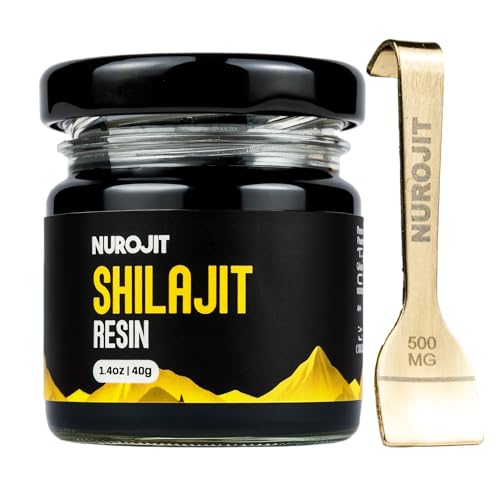
A 2026 open-label pilot study assessed the safety and efficacy of a commercially available shilajit resin (TruBlk™) over 28 days in healthy adults, measuring both physical performance outcomes and blood biomarkers [4]. Open-label pilot studies sit at the lower end of the evidence hierarchy — there is no blinding or placebo group — but they are useful for establishing safety signals and generating hypotheses for more rigorous trials.
The pilot nature of this work means that any positive findings should be viewed as preliminary. Blood biomarker shifts observed in small, unblinded trials can reflect placebo effects, regression to the mean, or other confounders. That said, the absence of serious adverse events in this and other short-term trials offers some reassurance about safety in healthy populations at the doses typically studied.
What This Means for Training: A Realistic Assessment
Taken together, the available evidence suggests shilajit is not without biological activity in the context of muscle and physical performance. There are signals at the molecular level [1], some indication of fatigue-resistance support [2], preliminary data on connective tissue synthesis [3], and a recent safety pilot in healthy exercising adults [4]. These are not trivial findings.
However, it would be inaccurate to describe shilajit as a proven muscle-building supplement. The trials are short (4–8 weeks), typically small, and some lack adequate controls. No study to date has demonstrated statistically significant gains in lean mass from shilajit alone, and direct comparisons with established ergogenic aids — creatine, protein supplementation, resistance exercise programming — have not been conducted. Shilajit may be a useful adjunct for some people, but it is not a replacement for the fundamentals of hypertrophy: progressive overload, adequate protein, and sufficient recovery.
Purity is a practical concern as well. Shilajit collected from the wild can contain heavy metals including lead, arsenic, and mercury at concentrations that pose health risks. Purchasing a product that provides third-party testing for heavy metals and contaminants is an important safeguard, regardless of the performance rationale.
🛒 Where to Buy Shilajit
- Pürblack Live ResinLab-tested / studied
resin, ~300-500 mg/day — Premium purified resin, third-party heavy-metal tested; widely regarded as a reference-quality resin. - Nootropics Depot PrimaVie ShilajitClinically studied
capsules, 250 mg — PrimaVie, the standardised shilajit extract used in published human trials. - Zazzee Shilajit 40:1 Extract
capsules, 40:1 extract — Standardised to 50% fulvic acid. - Swanson Shilajit Extract
capsules, 400 mg, 60 count — Budget option from a long-established supplement brand.
As an Amazon Associate we earn from qualifying purchases. Shilajit quality varies widely — always choose a product with a published third-party heavy-metal test (COA) before buying.
A Note on the Evidence
The research on shilajit for muscle growth is early-stage, conducted in small samples, and the long-term effects in humans remain unstudied. Shilajit sourced without rigorous quality control can contain harmful levels of heavy metals — always choose a product with third-party testing. This article is for informational purposes only and does not constitute medical advice; consult a qualified healthcare provider before starting any new supplement.
Frequently Asked Questions
Does shilajit directly build muscle mass?
No published trial has demonstrated significant lean mass gains attributable to shilajit alone under controlled conditions. What the evidence shows is that shilajit may influence molecular pathways in skeletal muscle and support strength during fatiguing exercise [2][1], which could indirectly support hypertrophy when combined with consistent resistance training.

How might shilajit help with strength during workouts?
One hypothesis centers on mitochondrial support: fulvic acid and dibenzo-alpha-pyrones may enhance ATP production and reduce oxidative fatigue. A published trial found shilajit supplementation helped attenuate fatigue-induced decreases in muscular strength compared to baseline [2], though the mechanism in humans has not been definitively established.
What does the collagen research mean for muscle growth?
Type 1 collagen forms tendons, ligaments, and the connective matrix that supports muscle tissue. An 8-week RCT found that shilajit supplementation elevated a validated biomarker of type 1 collagen synthesis (Pro-c1α1) [3], suggesting it may support connective tissue remodeling alongside training — which can reduce injury risk and support long-term training consistency.
Is shilajit safe to take alongside a workout program?
Short-term safety data in healthy adults appears acceptable based on available trials, including a 28-day pilot measuring blood biomarkers [4]. However, the primary safety concern with shilajit is heavy-metal contamination from low-quality sourcing. Always select products with independent third-party certificates of analysis confirming absence of lead, arsenic, and mercury.
How long does it take to see any effects from shilajit on muscle performance?
The trials reviewed ranged from 28 days to 8 weeks. The fatigue-resistance finding [2] and collagen synthesis data [3] both emerged over several weeks of consistent supplementation. There is no evidence that shilajit produces acute, session-by-session ergogenic effects in the way caffeine does.
Who should avoid shilajit?
People with hemochromatosis (iron overload), kidney disease, or gout should exercise caution given shilajit’s mineral content and potential effects on uric acid metabolism. Pregnant and breastfeeding individuals should avoid it due to insufficient safety data. Anyone taking medications or managing a chronic condition should consult a physician before adding shilajit to their regimen.
References
- Das A et al. The Human Skeletal Muscle Transcriptome in Response to Oral Shilajit Supplementation. Journal of medicinal food (2016). PMID 27414521
- Keller JL et al. The effects of Shilajit supplementation on fatigue-induced decreases in muscular strength and serum hydroxyproline levels. Journal of the International Society of Sports Nutrition (2019). PMID 30728074
- Neltner TJ et al. Effects of 8 Weeks of Shilajit Supplementation on Serum Pro-c1α1, a Biomarker of Type 1 Collagen Synthesis: A Randomized Control Trial. Journal of dietary supplements (2024). PMID 36546868
- Yadav D et al. Safety and Efficacy of TruBlk™ Shilajit Resin Supplementation on Physical Performance and Blood Biomarkers in Healthy Adults: A 28-Day Open-Label Pilot Study. Cureus (2026). PMID 41613504
These statements have not been evaluated by the Food and Drug Administration. This information is not intended to diagnose, treat, cure, or prevent any disease. Content is for informational purposes only and is not medical advice; consult a qualified healthcare provider before starting any supplement. As an Amazon Associate we earn from qualifying purchases.
