Iron-deficiency anemia is one of the most prevalent nutritional problems worldwide, and people searching for natural support often encounter shilajit — a dense, tar-like resin harvested from high-altitude rock faces in the Himalayas, Caucasus, and Altai mountains. Proponents point to its rich content of fulvic acid, humic acids, and trace minerals as reasons it might improve iron absorption or support red blood cell production. The question is whether any evidence backs those claims.
The honest answer is: very little high-quality evidence exists, and what does exist is early-stage. Most studies are animal experiments or small historical trials from Soviet-era laboratories. The underlying biology is plausible in places, but a plausible mechanism is not the same as a proven treatment. This article walks through what shilajit is, how it might theoretically interact with iron metabolism, what the available research actually shows, and what the real limits of that evidence are.
Key Takeaways
- Fulvic acid in shilajit may theoretically chelate dietary iron and improve its absorption, but this mechanism has not been confirmed in human clinical trials for anemia.
- Early Soviet animal research observed a stimulating effect of shilajit (mumijo) on peripheral blood composition [2], but this evidence is decades old, limited in scope, and not yet replicated in large-scale human studies.
- Shilajit is not an iron supplement and contains only trace amounts of iron — it should never replace prescribed iron therapy for diagnosed anemia.
- Low-quality or unpurified shilajit may contain harmful heavy metals; contamination could worsen rather than support blood health, making product purity a critical concern.
- Anyone with a blood disorder, kidney disease, or an existing prescription for iron therapy should consult a physician before adding shilajit to their regimen.
What Is Shilajit?
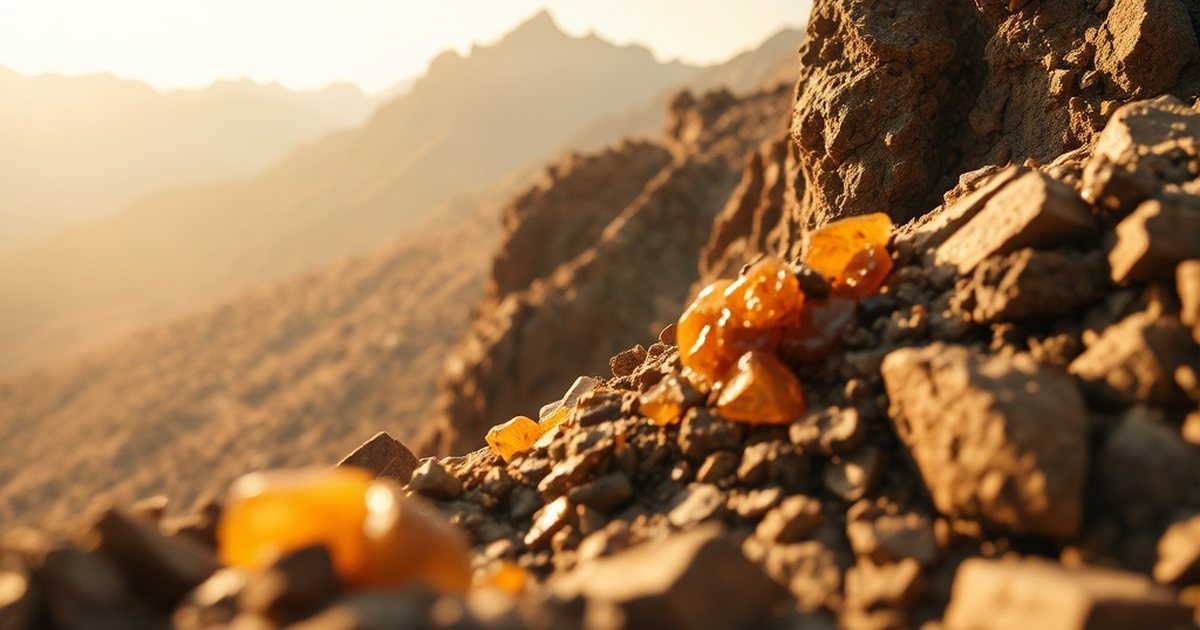
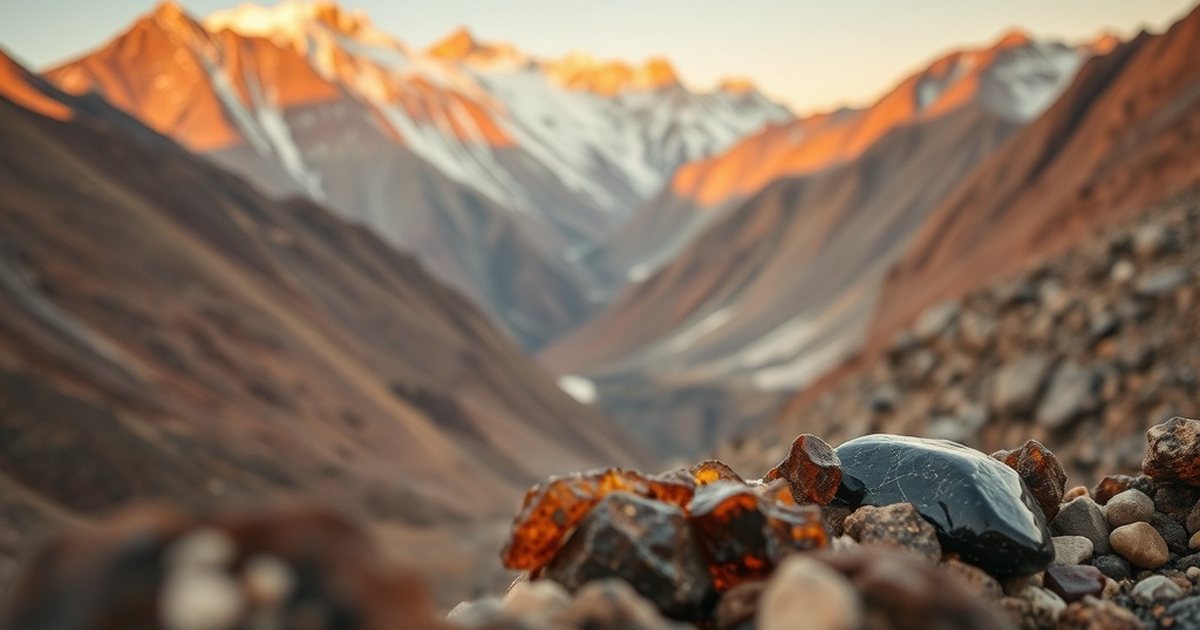
Shilajit (also called mumijo or mummy in Russian and Central Asian traditional medicine, and mineral pitch in Ayurvedic texts) is a blackish-brown exudate that seeps from rock fissures at high altitude. It forms over centuries through the geological compression and humification of plant and microbial matter. The result is a complex matrix containing fulvic acid, humic acid, dibenzo-alpha-pyrones, and more than eighty trace elements — including iron, copper, manganese, zinc, and magnesium — in proportions that vary by geographic origin and processing method.
Its primary bioactive constituents are fulvic acid (which can constitute 60–80% of a purified extract) and dibenzo-alpha-pyrones. Both have drawn scientific attention for their potential roles in cellular energy metabolism, antioxidant activity, and mineral transport. Traditional use spans fatigue, cognitive complaints, and general vitality — claims that modern researchers have begun to investigate, with results that are interesting but far from conclusive.
The Proposed Mechanism: Fulvic Acid as a Mineral Carrier
The most biologically plausible link between shilajit and iron status runs through fulvic acid. In soil chemistry, fulvic acid is well established as a chelator — it binds metal ions including iron, keeps them soluble, and makes them bioavailable to plant roots. The hypothesis for human nutrition is analogous: fulvic acid in shilajit might bind dietary iron in the gastrointestinal tract, maintain it in a soluble ferrous form that the gut can absorb, and thereby improve iron uptake. This remains a theoretical extrapolation from soil science to human biology, not a proven clinical mechanism.
A second proposed pathway involves mitochondrial energy support. Shilajit’s dibenzo-alpha-pyrones appear to assist in electron transport chain function, partly by stabilizing and recycling Coenzyme Q10. Iron is a critical cofactor in several mitochondrial enzyme complexes, so in theory, supporting mitochondrial efficiency could interact with iron-dependent energy pathways. However, the clinical significance of this interaction — especially in iron-deficient individuals — has not been studied directly.

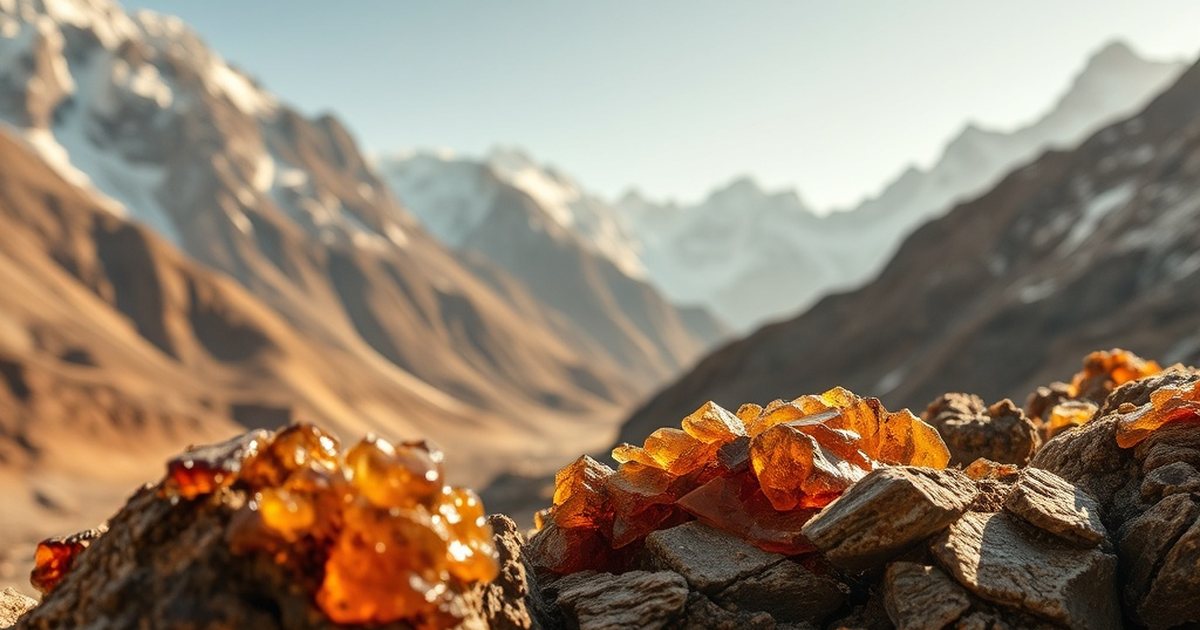
It is worth stating clearly: shilajit is not itself an iron supplement. The iron content of a standard shilajit dose is far below what any iron supplement delivers therapeutically. If shilajit offers anything meaningful for iron status, it is most likely through enhancing the absorption or utilization of iron from food and other supplements — not by supplying clinically relevant quantities of iron on its own.
What Early Research Suggests About Shilajit and Blood
One of the earliest experimental investigations specifically relevant to this topic is a 1972 study published in the Soviet journal Vrachebnoe delo, which examined the effects of Caucasian mumijo (shilajit) on peripheral blood composition in an animal model. The authors observed a stimulating effect on blood parameters [2]. This is one of the first controlled signals that shilajit might influence red blood cell-related measures, and it informs some of the traditional claims around shilajit’s use in fatigue and blood health.
More recent work has focused on safety rather than efficacy. A 2012 toxicology study published in the Asian Pacific Journal of Tropical Biomedicine evaluated the safety profile of black shilajit in rats over 91 days of repeated administration and found no significant adverse effects at the doses tested [1]. While this study was not designed to assess anemia outcomes, the fact that no hematological toxicity — no suppression of blood cell production, hemoglobin, or related measures — was observed at least suggests that shilajit does not harm blood parameters in the animal model.
The gap between these findings and what would be needed for a confident clinical recommendation is significant. There are no large, well-controlled, randomized human trials examining shilajit as an intervention for iron-deficiency anemia. The existing evidence base, though intriguing, is preliminary.
Shilajit Versus Prescription Iron: A Critical Distinction
Pharmaceutical iron supplements — ferrous sulfate, ferrous gluconate, ferric carboxymaltose, and related compounds — deliver precise, high doses of elemental iron and have decades of clinical trial data supporting their use in iron-deficiency anemia. For a person with a confirmed diagnosis, these are the standard of care. Shilajit is not a replacement for them, and substituting shilajit for prescribed iron therapy without medical guidance would be inappropriate.
The question of whether shilajit might serve as a useful adjunct — improving absorption of iron from food or supplements, or supporting the mitochondrial systems that depend on iron — is more open. Some integrative practitioners use shilajit alongside dietary strategies as part of broader nutritional support. That practice currently runs ahead of the clinical evidence, but it is not inherently unreasonable given the proposed mechanisms, provided a physician is kept informed and primary treatment is not compromised.
Heavy Metals, Purity, and the Absorption Paradox
Fulvic acid’s ability to chelate minerals is a double-edged property. The same mechanism that might enhance iron absorption could also facilitate absorption of heavy metals — lead, arsenic, mercury, and cadmium — that naturally occur in the rock formations where shilajit is harvested. Contaminated shilajit products have been identified in commercial markets. Heavy metal toxicity independently causes anemia by displacing iron in hemoglobin precursors or damaging bone marrow, so a contaminated product could worsen the very condition someone is hoping to address.
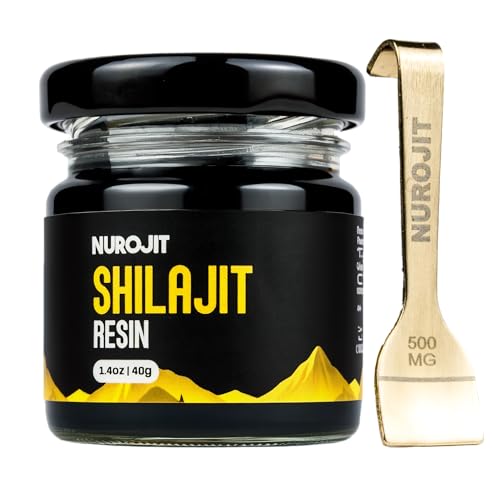
For anyone considering shilajit — especially for a condition as clinically significant as anemia — product quality is not optional. Only products with third-party laboratory testing and publicly available certificates of analysis confirming heavy metals below established safety limits should be considered. Shilajit from reputable manufacturers using controlled-source material and standardized purification processes carries a substantially lower risk than raw resin from unknown origins.
Who Should Be Especially Careful
People with diagnosed iron-deficiency anemia should regard shilajit as a possible complement to medical care — never a replacement for it. Several groups face additional caution. Those with hemochromatosis (iron overload disorder) or other conditions involving dysregulated iron metabolism should avoid shilajit without physician approval, given the potential for fulvic acid to influence iron handling in unpredictable ways. Pregnant women, children, and individuals with kidney disease should also consult a doctor before use, as fulvic acid’s mineral-chelating properties could have unintended effects in these populations.
If you are taking prescribed iron supplements, be aware that the timing of shilajit relative to iron doses could theoretically matter — fulvic acid might compete with or complement iron absorption depending on the specific form and dose. This interaction has not been formally studied. Disclose shilajit use to your prescribing physician so it can be factored into your overall care plan.
🛒 Where to Buy Shilajit
- Pürblack Live ResinLab-tested / studied
resin, ~300-500 mg/day — Premium purified resin, third-party heavy-metal tested; widely regarded as a reference-quality resin. - Toniiq Shilajit
capsules, 500 mg — Standardized fulvic-acid %, third-party tested generic. - Nutricost Shilajit Extract
capsules, 500 mg — Low-cost large-count bottles. - Double Wood Shilajit
capsules, 500 mg — Budget-friendly, COA on request.
As an Amazon Associate we earn from qualifying purchases. Shilajit quality varies widely — always choose a product with a published third-party heavy-metal test (COA) before buying.
A Note on the Evidence
The evidence for shilajit’s effects on iron status and anemia is very preliminary — largely animal studies and small historical trials — and is not sufficient to support clinical recommendations. Shilajit is not a treatment for anemia and should not replace medically prescribed therapy. People with blood disorders, kidney disease, pregnancy, or those currently taking iron therapy should consult a physician before use. This article is informational only and does not constitute medical advice.
Frequently Asked Questions
Does shilajit actually contain iron?
Yes, shilajit contains trace amounts of iron along with many other minerals. However, the iron concentration in a typical dose is far below therapeutic levels found in iron supplements. The more plausible benefit, if any exists, is that fulvic acid in shilajit might improve how the body absorbs iron from food or other supplements — not that shilajit itself delivers meaningful iron.

Can shilajit treat iron-deficiency anemia?
No clinical evidence supports shilajit as a treatment for iron-deficiency anemia. While early animal research observed effects on peripheral blood parameters [2], this falls far short of the evidence needed to call a substance a treatment. Diagnosed anemia requires medical evaluation and typically involves iron supplementation or dietary interventions under professional supervision.
Is shilajit safe to take if I have anemia?
The most robust safety data comes from animal studies — a 91-day repeated-dose study in rats found no significant adverse effects at the doses examined [1]. Human safety data is considerably more limited. Anyone with anemia, particularly if they have complicating factors such as kidney disease, blood disorders, or pregnancy, should speak with a physician before using shilajit.
How does fulvic acid relate to iron absorption?
Fulvic acid is a natural mineral chelator — it binds metal ions and can maintain them in soluble, potentially more absorbable forms. In plant nutrition this effect is well established. Whether it translates meaningfully to iron absorption in the human gut is an open scientific question. The mechanism is plausible, but human evidence directly testing it in the context of iron status or anemia is currently lacking.
Could shilajit increase absorption of heavy metals as well as iron?
This is a legitimate concern. Fulvic acid does not selectively chelate beneficial minerals — it can bind lead, arsenic, mercury, and cadmium as well. Poor-quality shilajit products have been found to contain heavy metal contamination. If fulvic acid facilitates absorption of those contaminants, it could harm blood health rather than help it. Third-party tested products with confirmed heavy metal certificates are essential, not optional.
Should I replace my prescribed iron supplement with shilajit?
No. Prescribed iron supplements are supported by extensive clinical evidence for treating iron-deficiency anemia; shilajit is not. Replacing a clinically indicated supplement with an early-stage, unproven alternative would be medically inappropriate. If you are interested in using shilajit alongside your current regimen, discuss this with your prescribing physician first to assess any potential interactions and ensure your primary treatment remains effective.
References
- Velmurugan C et al. Evaluation of safety profile of black shilajit after 91 days repeated administration in rats. Asian Pacific journal of tropical biomedicine (2012). PMID 23569899
- Kozlovskaia VI et al. [The stimulating effect of Caucasian mummy on the composition of peripheral blood]. Vrachebnoe delo (1972). PMID 4625454
